

OpenSea, once the world’s largest NFT marketplace, is undergoing a major transformation. Following a sharp downturn in the digital collectibles market, the company is pivoting to become a multi-chain crypto trading aggregator, signaling a decisive shift from its roots in digital art to a broader role in the decentralized finance (DeFi) ecosystem.
According to Forbes, the revamped OpenSea platform now enables users to trade any digital asset — including NFTs, cryptocurrencies, and memecoins — across 22 different blockchains. It aggregates liquidity from decentralized exchanges like Uniswap and Meteora, charging a modest 0.9% transaction fee while maintaining a non-custodial setup, meaning users retain full control of their funds.
 Jeff Kauflin
In keeping with the Web3 ethos of privacy and decentralization, OpenSea’s new model forgoes traditional KYC checks. Instead, it uses blockchain analytics from TRM Labs to monitor for sanctioned or suspicious activity, balancing regulatory compliance with user autonomy.
From NFT Giant to Crypto Aggregator
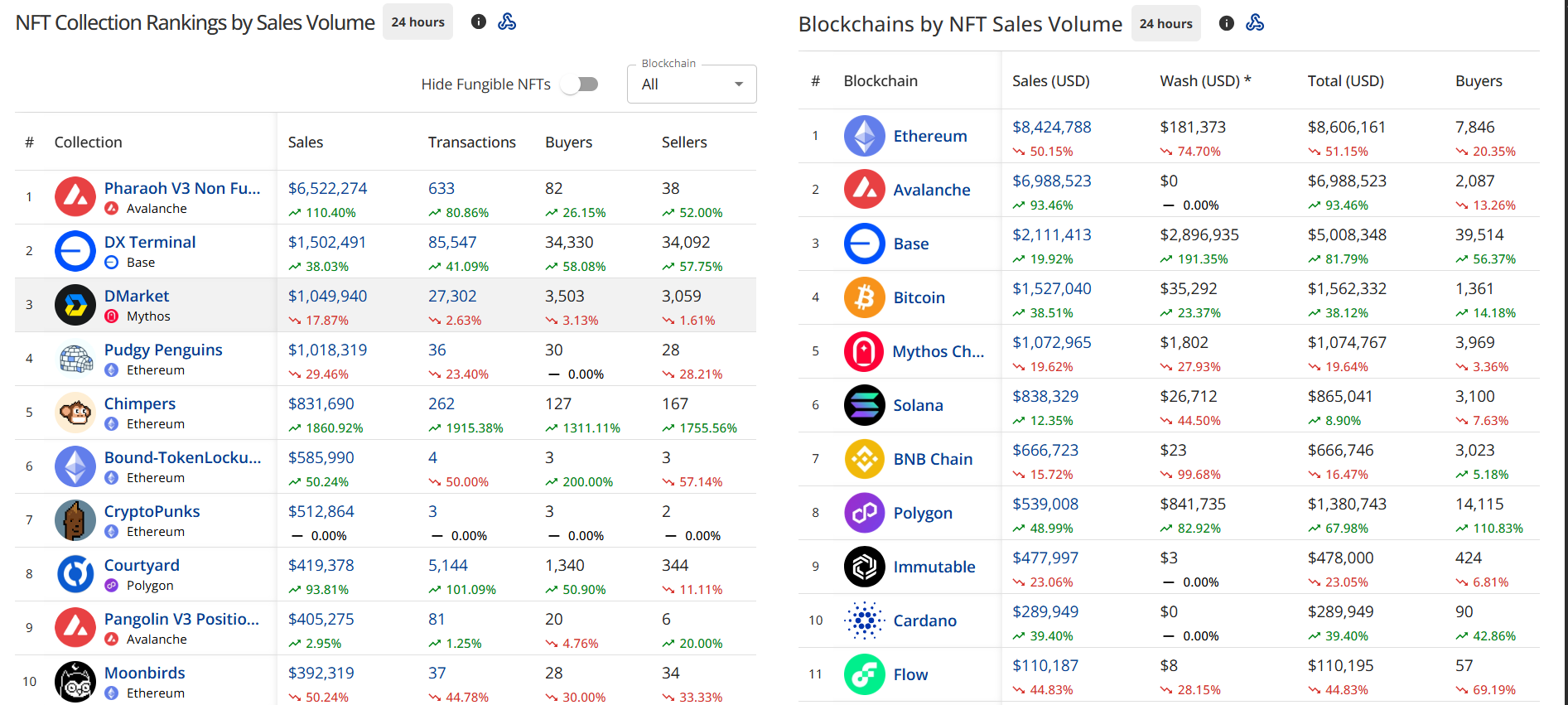
The shift marks a dramatic reinvention for OpenSea, which dominated the NFT boom of 2021 before the market imploded. Under CEO Devin Finzer, the company saw its monthly revenue plummet from $125 million in early 2022 to just $3 million by late 2023. NFT trading volumes across the industry dropped more than 90% from their peak, with marquee collections such as Bored Ape Yacht Club and CryptoPunks losing much of their former value.
To survive the downturn, OpenSea laid off more than half its staff and relocated its headquarters to Miami, slimming down to a team of about 60 employees. The new focus on multi-chain crypto trading aims to position the company for a post-NFT future.
“You can’t fight the macro trend,” Finzer told Forbes, describing the strategic pivot as a way to embrace the renewed “risk-on” appetite in the broader crypto market.
OpenSea 2.0: A Self-Custodial Future
OpenSea’s relaunch, dubbed “OpenSea 2.0,” includes plans for a dedicated token — to be managed by an independent foundation — and a new mobile app that aims to make trading “as intuitive as Robinhood, but fully self-custodial.” The goal, Finzer said, is to align with where the crypto economy is actually trading now rather than where it once speculated.
The strategy appears to be gaining traction. In the first two weeks of October, OpenSea reportedly handled $1.6 billion in crypto trades and $230 million in NFT transactions — its strongest performance in over three years. Meanwhile, Blur, the platform that once dethroned OpenSea with its fee-free trading model, has seen its own activity fall by more than 90%.
A New Chapter for Crypto’s Original Marketplace
OpenSea’s evolution reflects the broader recalibration of the digital asset market, where innovation is shifting away from speculative collectibles toward more diverse and liquid forms of trading. By embracing a multi-chain, non-custodial model, the company is betting that the next wave of crypto growth will come not from hype cycles but from utility, accessibility, and interoperability.
As Finzer put it, OpenSea’s mission is no longer just about NFTs — it’s about becoming the central hub for the decentralized economy.



