
More than 40 decentralized finance (DeFi) protocols may have relied on developers linked to North Korea over several years. The claim raises concerns about long-term infiltration risks embedded deep within core crypto infrastructure.
Taylor Monahan, a security researcher and MetaMask developer, said individuals tied to the Democratic People’s Republic of Korea have contributed to widely used DeFi platforms since early market cycles. She noted these actors often presented legitimate technical experience, complicating detection efforts.

How Deep Does North Korean Infiltration In DeFi Go?
The activity traces back to “DeFi summer,” a period marked by rapid protocol launches and open hiring practices. During that time, projects prioritized speed and talent acquisition, often with limited verification of developer identities.
The scale of associated cyber activity is substantial. Analysts at R3ACH estimate North Korea-linked groups, including Lazarus Group, have stolen around $7 billion in digital assets since 2017, highlighting the financial incentives behind sustained ecosystem access.
“Lots of DPRK IT workers built the protocols you know and love,” Monahan said, adding that their claimed years of experience were often accurate.
But how many of these contributions remain embedded in live systems today?
Recent incidents have renewed scrutiny. Drift Protocol’s $280 million exploit last week was attributed with “medium-high confidence” to a North Korean-affiliated group, according to the project’s statement, linking it to broader infiltration patterns.
Investigators found that attackers used intermediaries with fully constructed professional identities to build trust through real-world interactions before executing the breach. These profiles included employment histories and active networks, allowing deeper access than typical remote attacks.
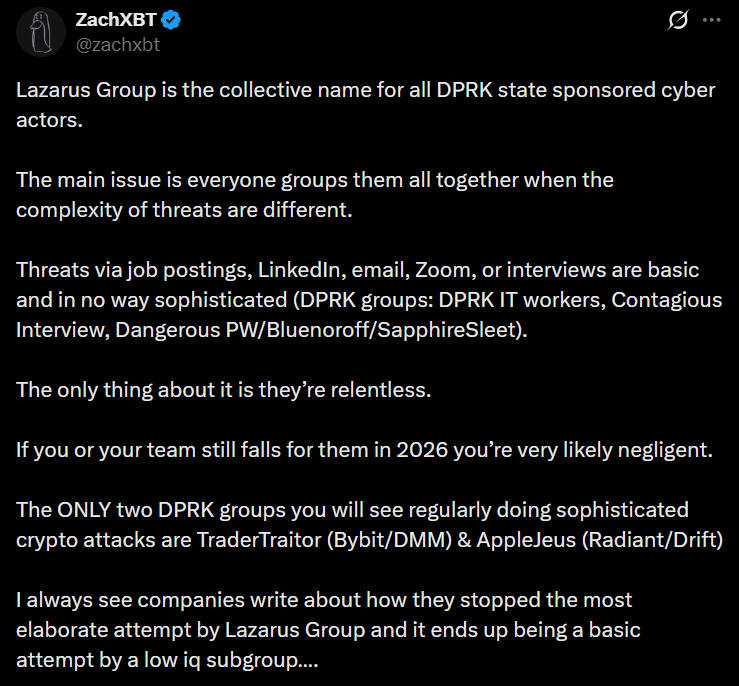
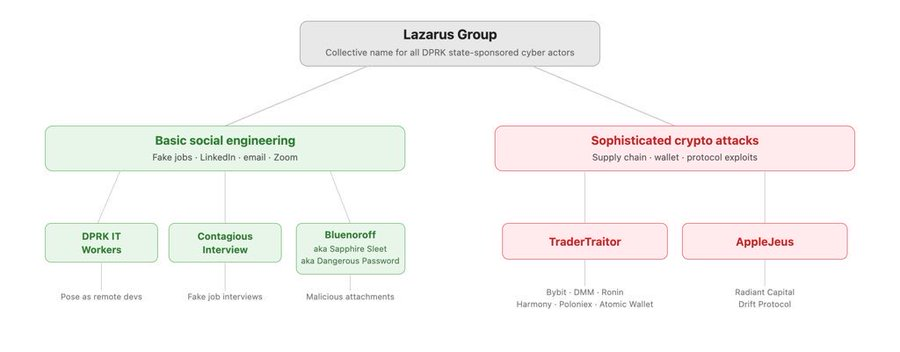
Independent researcher ZachXBT noted that many such operations rely less on technical sophistication and more on persistence. Outreach through job listings, email, and interviews remains common, suggesting ongoing vulnerabilities in hiring processes.
The next phase for DeFi teams will center on strengthening identity verification and internal security controls, as further investigations may reveal how deeply these actors are integrated into existing protocol codebases.



