

News outlets everywhere are being forced to confront an uncomfortable shift: artificial intelligence is changing how information is created, discovered, and consumed. Search engines now generate their own summaries, users get answers without clicking through, and large language models scrape decades of reporting to train their systems. The distribution rules that shaped digital publishing are breaking apart.
Dev Pragad, CEO of Newsweek, has chosen to treat this shift not as a threat but as a turning point. His strategy accepts a central reality: the search-driven traffic model that powered online journalism for nearly two decades can no longer be counted on. If AI can answer a question instantly, page views become erratic, ad revenue becomes harder to forecast, and legacy structures start to feel brittle.
 Dev Pragad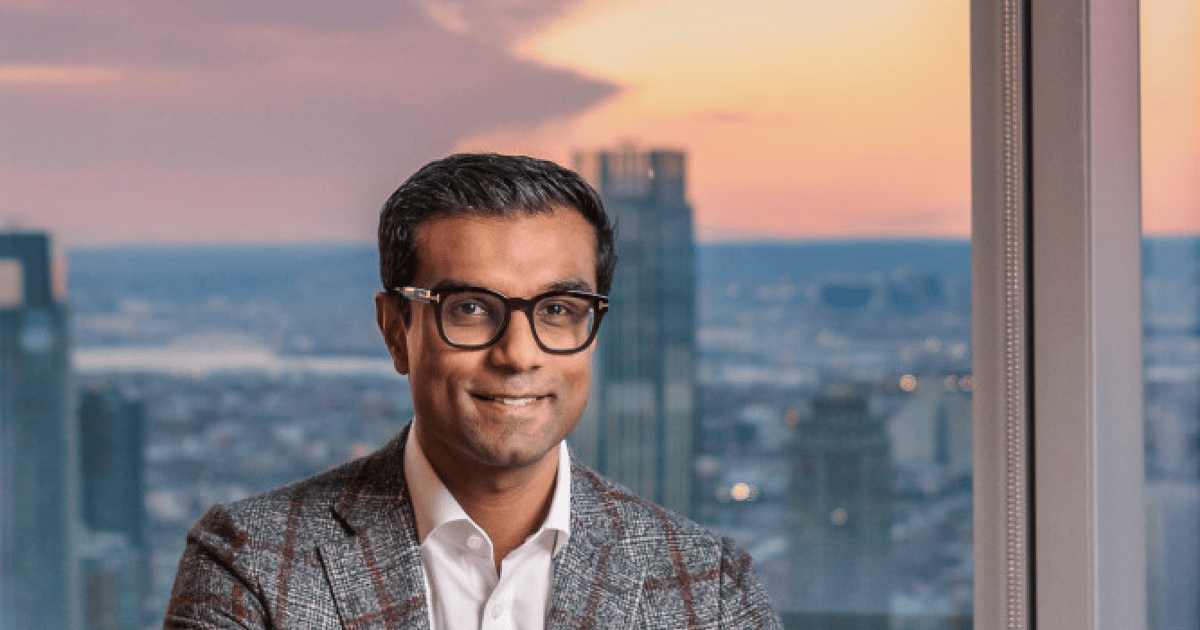
Rather than cling to the old model, Pragad has pushed Newsweek to rethink almost everything — its brand, its content mix, and its financial architecture.
A Brand Designed for AI-First Surfaces
One of the most visible changes arrived in September 2025, when Newsweek unveiled a redesigned identity developed with design firm 2×4. The refresh introduced a refined wordmark, a bold “N” icon, and a consistent visual system across print, digital, video, and international editions.
On the surface, it’s a modern rebrand. But its purpose is practical: in a world where AI summaries, tiny thumbnails, and fast-moving feeds compress attention into seconds, strong visual clarity matters. A distinctive logo or color palette might be the only thing a user sees when an algorithm cites Newsweek, and the new system ensures the brand remains recognizable in even the smallest digital spaces.
The FINANCIAL
Rethinking Editorial for an AI-Driven Audience
Newsweek has also broadened its editorial strategy. One standout example is Newsmakers, a video series featuring cultural figures like Spike Lee, Liam Neeson, and Clark Hunt. The show is distributed openly on YouTube and other platforms — a deliberate move that plays to human strengths. Video is harder for AI to replace, more engaging, and more likely to reach audiences directly.
Each episode is paired with a companion article and a collectible cover, creating a cross-platform footprint that reinforces the brand across formats. Pragad has said the series represents the future of journalism: accessible storytelling designed to travel well beyond search.
A Business Model Built for Independence
Pragad is also reengineering the business so it doesn’t depend on a single distribution channel. Digital advertising is still part of the picture, but Newsweek has expanded into events, direct ad partnerships, verticals such as healthcare, data-driven rankings, and other diversified revenue streams. The idea is simple: when traffic becomes unpredictable, revenue shouldn’t collapse with it.
The company is also taking a measured approach to AI licensing. Tools like TollBit help Newsweek monitor bot activity and understand how often AI models attempt to access the site. Pragad has rejected deals that undervalue the worth of Newsweek’s archives, arguing that publishers must negotiate collectively to ensure fair compensation for their work.
Building for the Future, Not the Past
These shifts are already showing signs of success. Newsweek has been recognized as one of the fastest-growing digital news outlets in the United States, and its global readership continues to climb. The publication’s new tagline, A World Drawn Closer, reflects a mission rooted in clarity, accessibility, and trust.
The rise of AI has undeniably added pressure to the media industry, but it has also opened the door to reinvention. Newsweek’s approach — redesigned identity, adaptable content formats, diversified revenue, and a firm stance on intellectual property — offers a blueprint for how legacy publishers can evolve without losing their core values.



