
What Is a Multisig Wallet?
Multisignature wallets, often called multisig wallets, are designed to add an extra layer of protection to cryptocurrency accounts. Instead of relying on a single private key to approve a transaction, these wallets require two or more signatures before funds can move.
Think of it like a shared safe that needs multiple keys to open. One person alone can’t unlock it. For example, a wallet might require two out of three approvals or three out of five before a transaction goes through.
This setup is popular with teams and organizations. Companies managing treasury funds, DAOs (decentralized autonomous organizations), and joint investment groups often rely on multisig wallets to prevent a single person from controlling shared assets. Some families also use them to manage long-term crypto savings.
The idea is simple: distribute control so no single key becomes a single point of failure.
Ironically, the same system built to improve security is now being used in clever scams.
What Is a Multisig Scam?
A multisig scam tricks people into believing they can access funds in a crypto wallet when they actually cannot.
The bait usually appears on platforms like YouTube, Telegram, or X (Twitter). A scammer posts a message claiming they need help accessing a wallet and includes a seed phrase or private key. At first glance, it looks like someone asking for technical help.
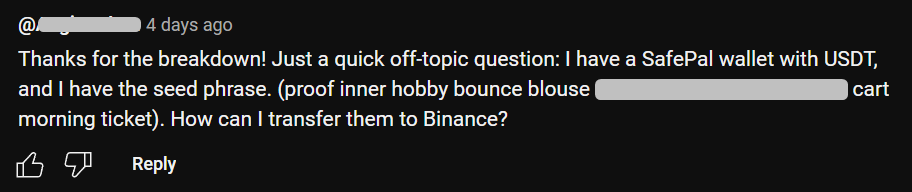
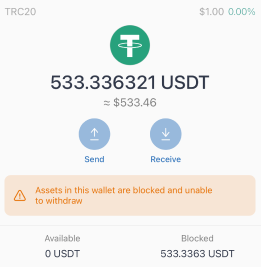
Curious users import the wallet into their own crypto app and see a balance inside. Often the wallet contains thousands of dollars in tokens.
The catch appears when they try to withdraw it.
The “Gas Fee Trap” Behind Many Multisig Scams
One of the most common multisig scams is surprisingly simple.
After importing the wallet, victims often discover the account contains tokens but no native coin to pay transaction fees. For instance, a wallet might hold 2,022 USDT on the Tron network but have no TRX to cover gas fees.
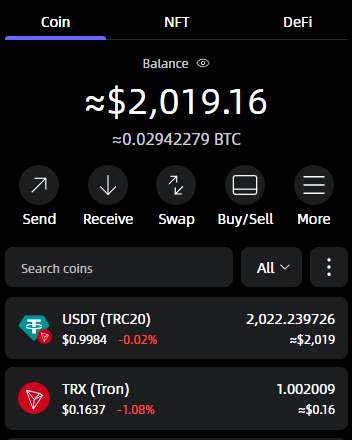
Seeing the opportunity, users send a small amount of TRX to the wallet so they can transfer the tokens out. But nothing happens.
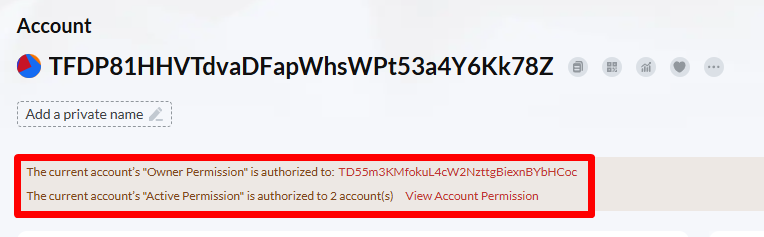
That’s because the wallet is configured as multisig, meaning multiple approvals are required to move funds. The victim only controls one key. The scammer controls the rest.
In other words, the tokens were never accessible. The scammer’s real goal was simply to collect the transaction fees sent by victims trying to unlock the funds.
This tactic appears frequently on the Tron network, where multisig permissions allow owners to assign different levels of control to different addresses.
Blockchain explorers like TronScan can reveal this structure. In many cases, the “bait wallet” has limited permissions, while another address owned by the scammer has full authority over the funds.
More Advanced Multisig Attacks
Some scams go further than fee traps.
In phishing-style attacks, fraudsters impersonate wallet support teams or crypto platforms. They guide victims through steps that unknowingly turn their personal wallet into a multisig wallet with the scammer added as a co-owner.
Once that happens, the attacker can freeze funds or block transactions.
These cases can lead to much larger losses, because the victim’s own wallet becomes compromised.
How To Protect Yourself From Multisig Scams
Avoiding these scams mostly comes down to strong security habits.
Never use a seed phrase or private key posted online. If someone shares wallet credentials publicly, assume it’s a trap.
Use only official wallet apps and websites. Fake wallets and phishing pages remain one of the biggest threats in crypto.
Check wallet permissions regularly. If you use multisig, confirm who has signing authority and remove unknown signatories.
Consider hardware wallets. Devices like Ledger or Trezor store private keys offline and require physical confirmation before funds move.
Enable two-factor authentication (2FA) wherever possible.
Finally, stay informed. Crypto scams evolve quickly, and awareness is still the strongest defense.
The Bottom Line
Multisig wallets remain one of the most useful security tools in crypto. They help teams manage shared funds and reduce the risk of a single compromised key.
But scammers have learned how to exploit curiosity and greed around these systems.
If you ever see a wallet seed phrase posted online alongside a promise of free crypto, assume it’s a setup. In the world of digital assets, easy money almost always comes with a hidden catch.



