

Morgan Stanley’s spot Bitcoin ETF could launch within days following a confirmed NYSE listing. The move would mark the first major U.S. bank issuing a Bitcoin-linked ETF, expanding institutional access through traditional advisory channels.
Bloomberg ETF analyst Eric Balchunas noted that the New York Stock Exchange has announced the listing of the Morgan Stanley Bitcoin Trust under the ticker MSBT. The firm initially filed in January and recently submitted an amended S-1 to the SEC (US), typically a late-stage step before launch. The fund will trade on NYSE Arca.
Morgan Stanley Bitcoin ETF $MSBT got an official listing announcement from NYSE, that typically means launch imminent.. pic.twitter.com/SDDVyAGfpJ
— Eric Balchunas (@EricBalchunas) March 25, 2026
Will Financial Advisors Embrace Bitcoin ETFs Now?
Morgan Stanley’s entry differs from earlier issuers due to its distribution network. The bank oversees roughly $6.2 trillion in client assets through 16,000 financial advisors, a scale that could materially influence ETF adoption patterns. Until now, spot Bitcoin ETF flows have largely come from asset managers like BlackRock and Fidelity.
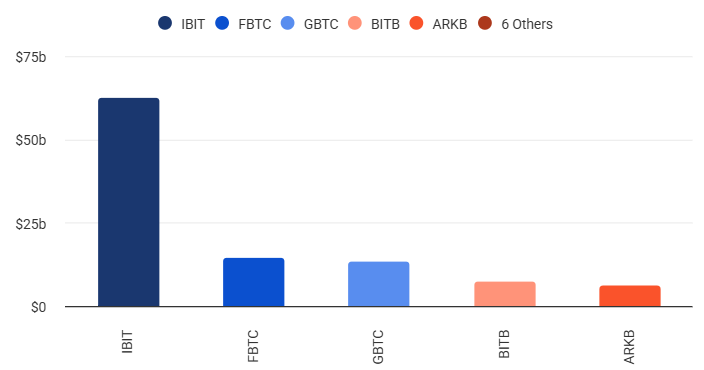
Industry data shows tens of billions of dollars have already entered spot Bitcoin ETFs since their approval. Yet adoption within advisory channels remains limited. Morgan Stanley executives have indicated that around 80% of ETF activity on its platform comes from self-directed investors rather than advisor-led allocations.
Balchunas described the development as notable given the firm’s status, writing that Morgan Stanley is the “first bank to do a Bitcoin ETF.” The shift reflects gradual integration of crypto products into traditional portfolio frameworks, even as advisors continue assessing risk, allocation size, and client suitability.
First bank to do a bitcoin ETF (unthinkable couple yrs ago). But not just any bank, a big boy bank w the largest network of financial advisors. 16k advisors managing $6.2T (that’s double Merrill, Goldman, JPM). https://t.co/p2WJlaNneH
— Eric Balchunas (@EricBalchunas) March 25, 2026
Still, internal adoption may lag initial product availability. Morgan Stanley began allowing clients to purchase existing Bitcoin ETFs in 2024 and has expanded access incrementally since. The next catalyst will be whether advisors begin actively allocating to the new fund or remain cautious as regulatory and market conditions evolve.



