
Microsoft has taken a closer look at how people use Copilot, and the results show that AI habits often mirror the rhythms of everyday life. After reviewing 37.5 million anonymized conversations, the Microsoft AI research team found that users turn to Copilot for practical tasks during the day and for deeper, more reflective questions in the early hours of the morning.


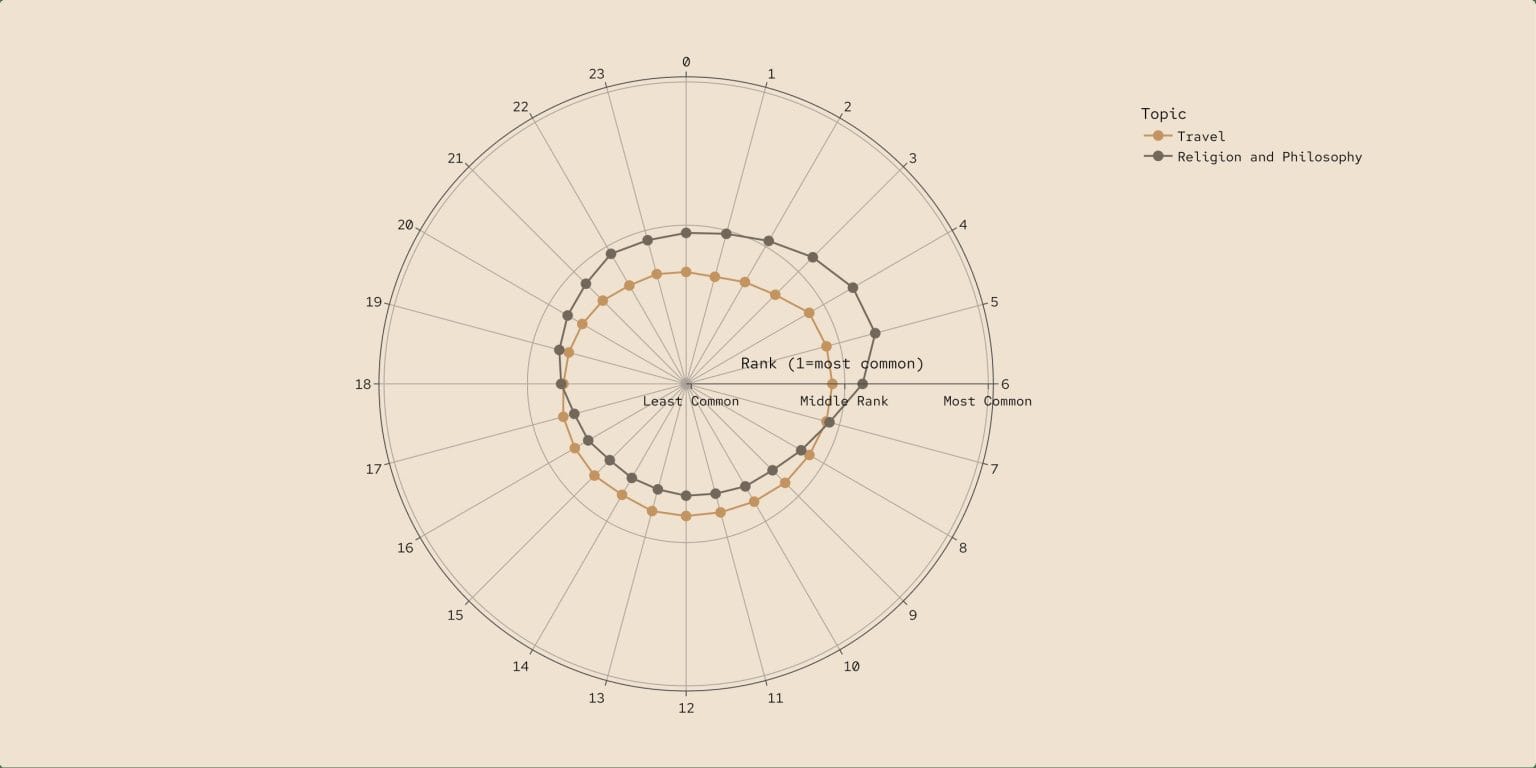
The analysis, published December 10, highlights clear trends. Religion and philosophy topics climb in popularity around 2 a.m., when people seem more inclined to wrestle with big ideas. Travel planning, however, peaks during normal commuting times, suggesting many users map out trips while on the move. The researchers noted that these patterns point to more than efficiency. They show that people lean on AI for curiosity and comfort as much as for productivity.
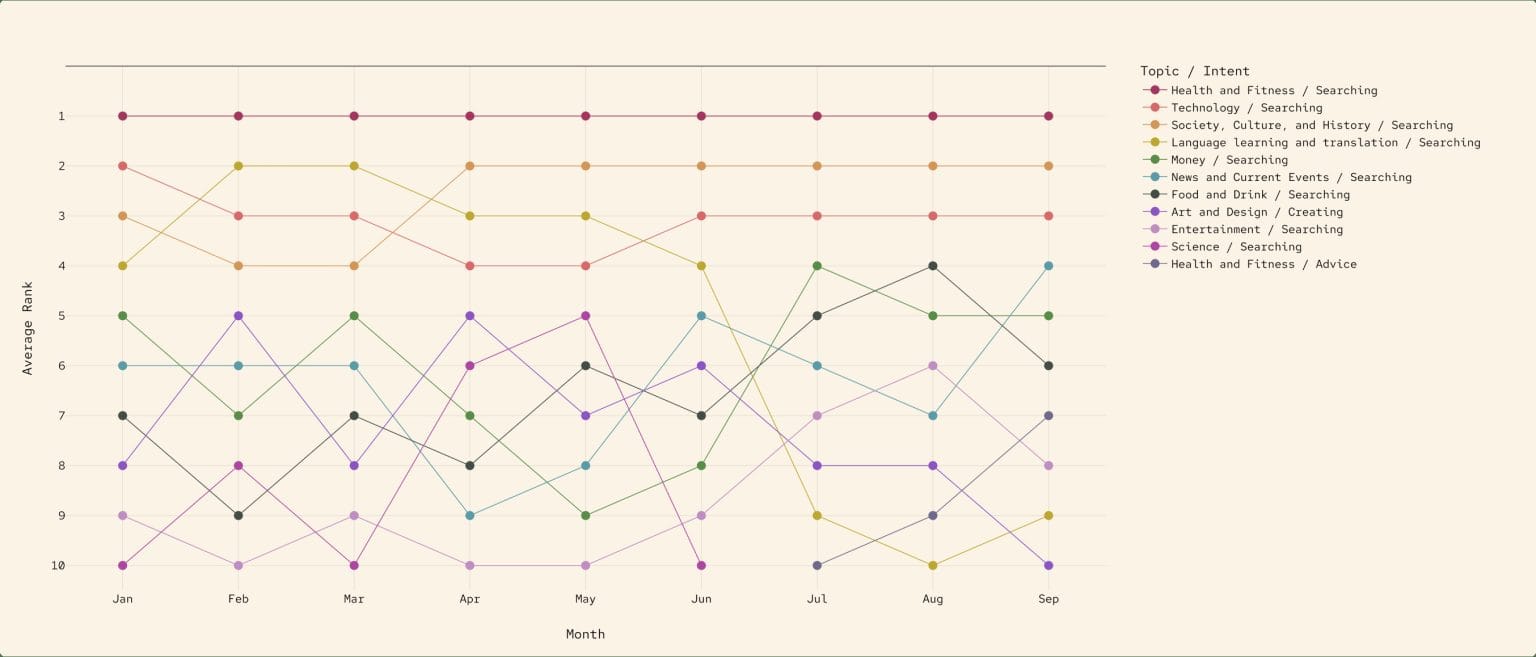
Health conversations stood out in another way. Across every hour of the day and throughout the year, health topics dominated mobile use. Users consistently sought wellness tips, routine tracking, and help managing day-to-day habits. This pattern did not appear on desktop, hinting that smartphones feel like more personal spaces for sensitive questions.
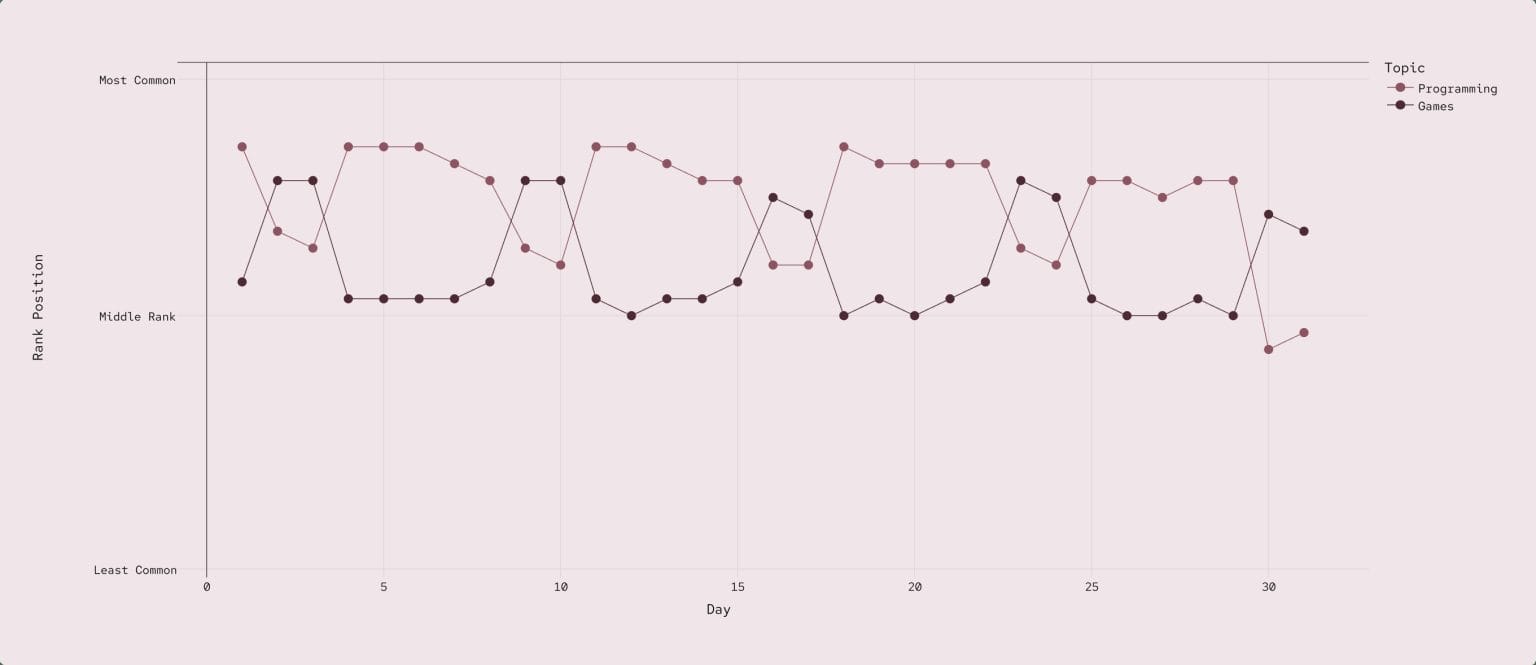
The report also found that coding and gaming follow a weekly cycle. Programming questions rise from Monday to Friday, then drop sharply as gaming queries take over on weekends. The researchers saw this as evidence that users maintain boundaries between work and leisure even when both activities revolve around technology.
Seasonal moments shape AI behavior as well. Conversations about relationships spiked in February and hit a peak on Valentine’s Day. Users also turned to Copilot for advice on personal growth and emotional preparation in the days leading up to the holiday. Microsoft’s team said this shows how cultural pressures can drive people to seek private guidance from AI tools.
The study points to a shift in expectations. While information search remains the most common use for Copilot, more people are now seeking advice on personal decisions. Microsoft views this trend as a sign that AI assistants are becoming trusted companions rather than simple search helpers.
The company stressed that all analysis preserved user privacy. Instead of examining full conversations, researchers studied topic and intent summaries generated by a privacy-focused system.
Microsoft expects the findings to help shape new features. Understanding when people turn to AI for health, creativity, or support can guide design choices. The researchers added that these patterns highlight the importance of accuracy and care in Copilot’s responses.
The study offers a detailed look at how AI fits into daily life. As Microsoft continues expanding its AI infrastructure, including the rollout of its new GB200 cluster, the company says it sees AI assistants becoming tools that match human rhythms — answering practical needs throughout the day and stepping in for big questions when sleep proves elusive.



