
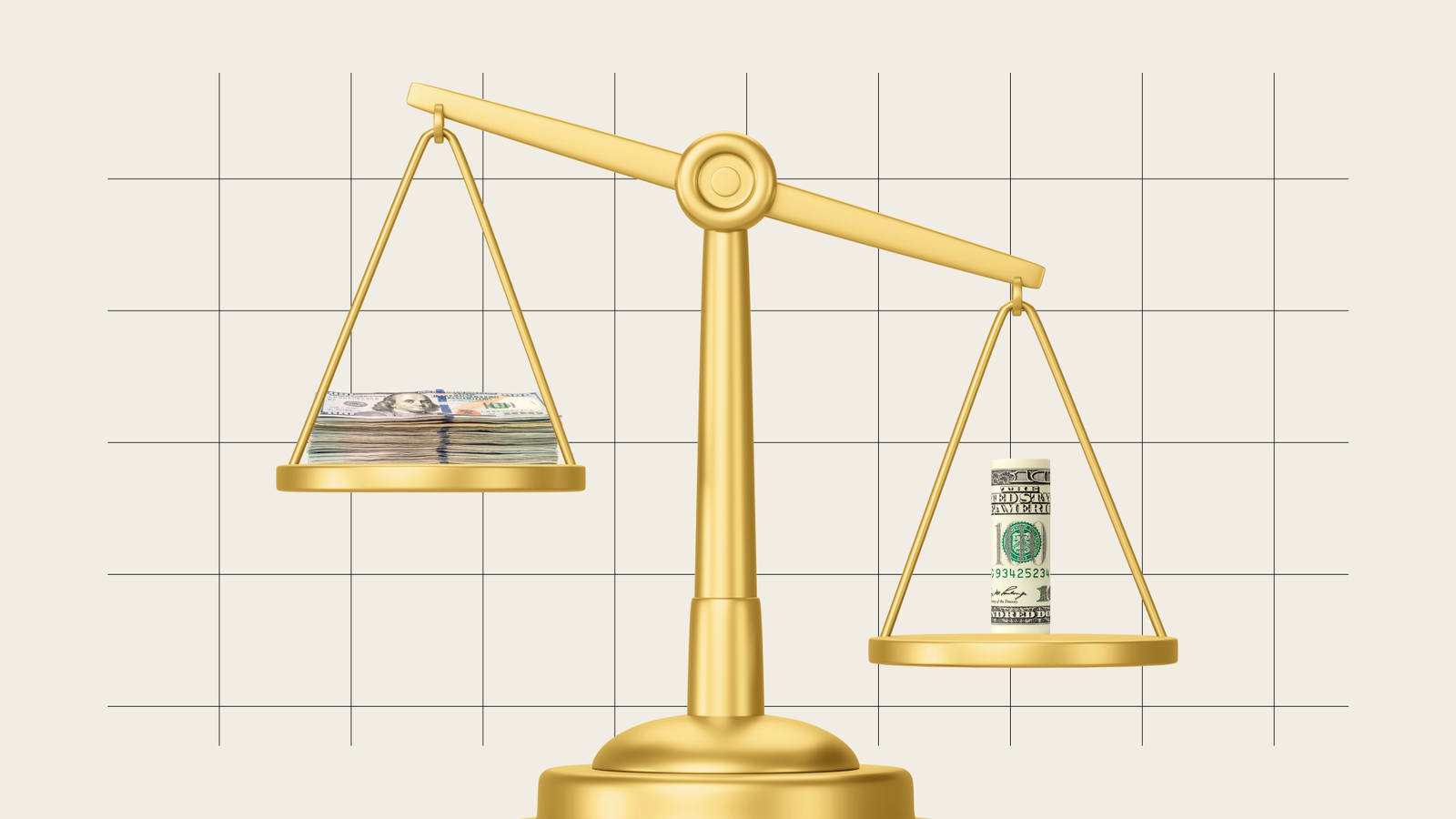
In the high-octane world of cryptocurrency, you often hear stories of traders turning small sums into massive fortunes overnight. While luck plays a part, the mechanic behind these outsized gains is usually leverage.
Derivatives are financial tools that allow traders to amplify their buying power. But like a fast car, they can be incredibly dangerous if you do not know how to drive them. In this guide, we will break down exactly how margin and leverage work, helping you decide if this high-stakes strategy fits your risk appetite.
The Physics of Finance
To understand leverage, think back to high school physics. A physical lever allows you to lift a heavy rock with just a small amount of force.
Financial leverage works the exact same way. It allows you to control a large position in a digital asset while only putting up a small fraction of the total value yourself. The heavy lifting comes from borrowed funds.
But where does this money come from?
- Centralized Exchanges (CEX): Platforms like Binance or Coinbase act as the broker, lending you the funds directly.
- DeFi Protocols: In decentralized finance, you borrow from a pool of funds provided by other users (liquidity providers) via smart contracts.
What is Margin?
If leverage is the loan, margin is the down payment.
When you ask an exchange to lend you money for a trade, they need insurance that you can pay them back if the market moves against you. Margin is that collateral. It is a security deposit you lock up to keep your position open.
- Initial Margin: The amount you need to deposit to open the trade.
- Maintenance Margin: The minimum balance you must keep in your account to keep the trade alive.
How It Works in Practice
Let us look at a real-world example to see the math in action.
Imagine you have 1,000 USD and you want to bet that the price of Ethereum (ETH) will go up.
Scenario A: Spot Trading (No Leverage)
You buy 1,000 USD worth of ETH.
- If ETH goes up 5%, you make 50 USD.
- If ETH goes down 5%, you lose 50 USD.
Scenario B: 10x Leverage
You take your 1,000 USD and use it as margin to open a 10x leveraged position. This gives you 10,000 USD in buying power.
- If ETH goes up 5%, your 10,000 USD position grows to 10,500 USD. You pay back the loan and keep the profit. You just made 500 USD with the same initial capital.
- The Catch: If ETH drops by just 10%, your 1,000 USD margin is completely wiped out to cover the loss.
The Danger Zone: Margin Calls and Liquidation
This is where many new traders get burned. Because you are trading with borrowed money, the exchange will not let your losses exceed your deposit.
If the market moves against you and your account value dips below the maintenance margin, two things can happen:
- Margin Call: The broker asks you to deposit more funds immediately to "top up" your collateral.
- Liquidation: This is the "Game Over" screen. In modern crypto trading, this is often automated. The platform calculates a Liquidation Price. If the asset hits this price, the smart contract or exchange automatically sells your position and keeps your collateral to cover the loan. You are left with nothing.
Key Risks You Must Know
Before you click that "Long" or "Short" button, understand the reality of the derivatives market:
- Magnified Losses: Leverage works both ways. A 10x multiplier on your gains is also a 10x multiplier on your losses. A standard market dip can liquidate a high-leverage position in seconds.
- The Illusion of Prediction: Many traders rely on technical analysis (chart patterns) to predict price moves. However, crypto is volatile and unpredictable. Leverage removes your ability to "wait out" a dip.
- Regulatory Hurdles: The rules for crypto derivatives vary wildly by country. Some nations have banned high-leverage trading to protect retail investors, so always check your local laws.
Summary
| Term | Definition |
| Leverage | Borrowed capital used to increase the potential return of an investment. |
| Margin | The collateral (money) you must deposit to cover the risk of a leveraged trade. |
| Liquidation | The automatic closing of your position when your margin is no longer sufficient to cover potential losses. |



