
Why Blockchain Layers Even Matter
If you've spent time in crypto, you've likely heard terms like Layer 1 and Layer 2 thrown around. But what do they actually mean—and why are they critical to the future of blockchain?
In short, the difference comes down to how a blockchain processes transactions and scales. As networks like Bitcoin and Ethereum became more popular, they hit performance limits—slow speeds, high fees, and long confirmation times. Enter the "layered" approach.
What Is Layer 1? The Foundation of Blockchains
Layer 1 is the base protocol. Think of it as the main highway where all the traffic (i.e., transactions) flows.
Bitcoin, Ethereum, Solana, and Avalanche are all Layer 1 networks. They process transactions directly on-chain, and they’re responsible for security, consensus, and data availability. Improvements to Layer 1s usually require protocol upgrades—like Ethereum’s shift from Proof of Work to Proof of Stake (a.k.a. The Merge).
But there’s a catch: scaling a Layer 1 while keeping it decentralized and secure is extremely hard. This is often called the blockchain trilemma—you can optimize for two, but not all three.
What Is Layer 2? A Smarter Way to Scale
Layer 2 solutions are built on top of Layer 1 networks. They take transactions off-chain, bundle them, and then settle the results back on the main chain. This drastically improves speed and reduces costs.
The most well-known Layer 2s include:
- Arbitrum and Optimism (rollups on Ethereum)
- Polygon (sidechain with its own validators)
- Lightning Network (built for Bitcoin)
While Layer 2s inherit the security of their base layer, they offer a smoother, more scalable user experience—especially for things like DeFi, gaming, or microtransactions.
So, Which One Matters More?
It’s not a competition. Both layers are crucial.
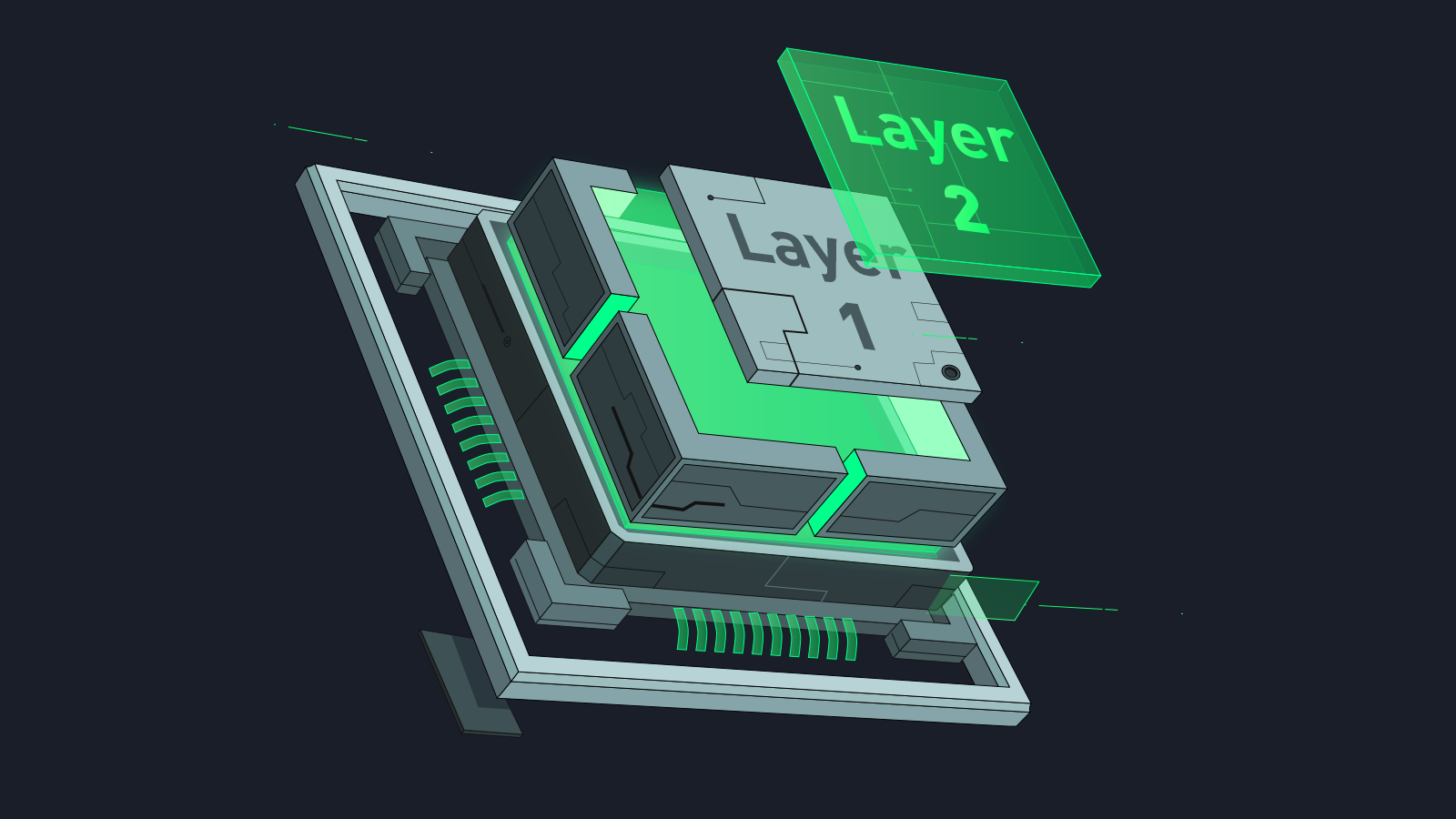
Layer 1 provides trust and decentralization. Layer 2 adds usability and scale. For mass adoption, we need both to work together seamlessly.
Think of it like this: Layer 1 is the bank vault. Layer 2 is the mobile banking app. The vault keeps your funds secure; the app makes it easy to use them.
Why This Matters Now
As Web3 projects continue to grow, the demand for faster, cheaper blockchain interactions is only increasing. Ethereum gas fees may spike again, Bitcoin’s Lightning Network adoption is rising, and newer L2s are rolling out weekly.
Understanding how these layers interact isn’t just technical trivia—it’s essential knowledge if you're investing, building, or just trying to make sense of the crypto ecosystem.
Final Thoughts
Layer 1 and Layer 2 solutions aren’t rivals—they’re allies solving different parts of the blockchain scalability puzzle. Whether you're holding ETH, bridging assets to Arbitrum, or paying in BTC over Lightning, you're navigating a multi-layered future.



