
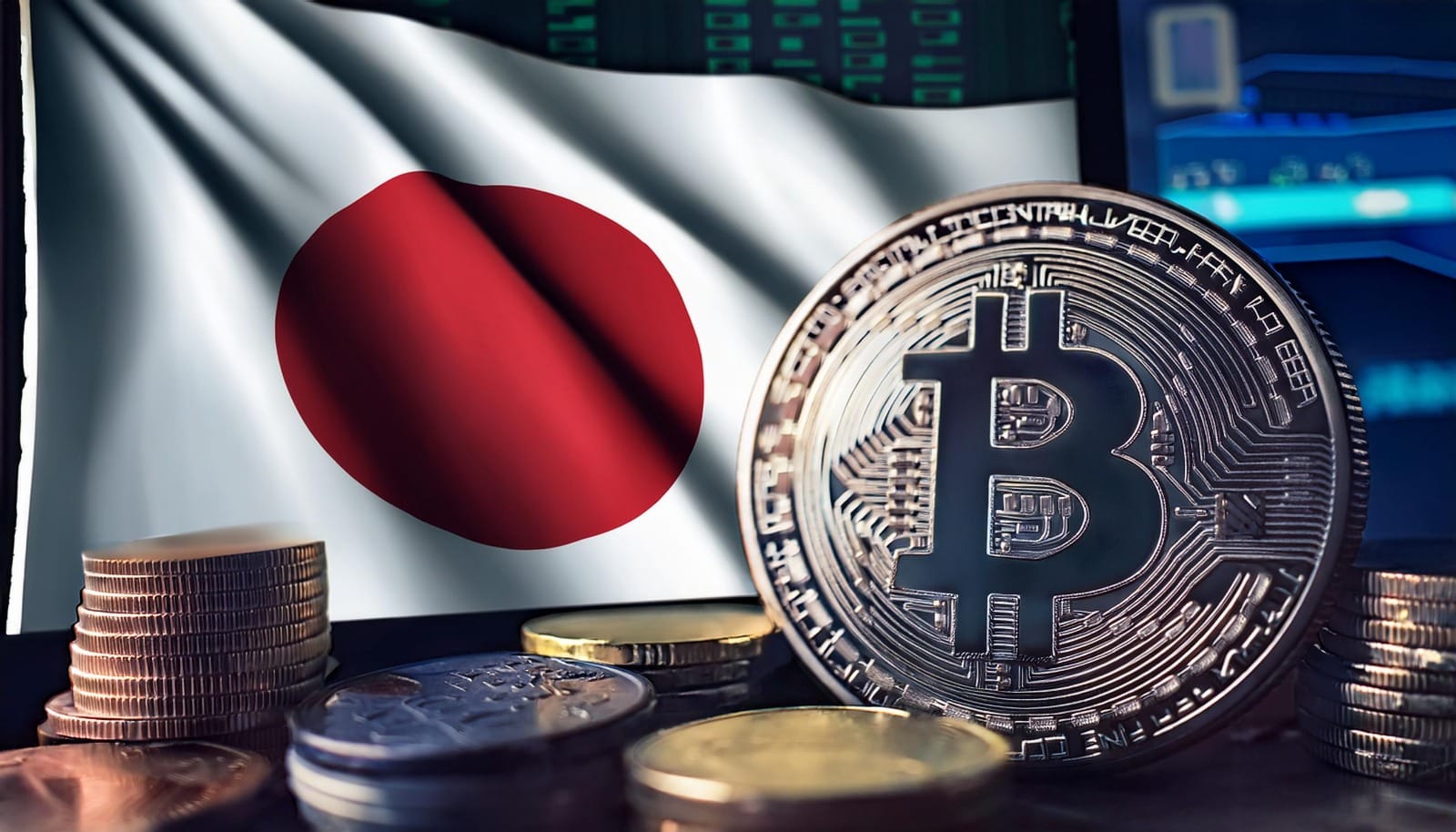
Japan is moving closer to bringing digital assets into the heart of its traditional financial system. During a New Year’s address at the Tokyo Stock Exchange, Finance Minister Satsuki Katayama voiced clear support for integrating cryptocurrencies and blockchain-based products across stock and commodity exchanges, according to a report by CoinPost.
Katayama described exchanges as playing a crucial role in expanding public access to digital assets. Her remarks reflect a growing view within Japan’s leadership that established financial institutions can help bridge the gap between emerging technologies and everyday investors.
 CoinPost編集部
Learning From Overseas Markets
In her speech, Katayama pointed to the United States as an example of how digital assets can be woven into mainstream finance. She highlighted the rise of crypto exchange-traded funds, which have gained popularity among U.S. investors as a way to gain exposure to digital assets and hedge against inflation.
Japan currently does not offer domestically listed crypto ETFs, but Katayama’s comments suggest that similar products could eventually be considered. Such a move would mark a significant shift for Japan’s markets, which have historically taken a cautious approach to cryptocurrency adoption.
2026 Named Japan’s “Digital Year”
Looking ahead, Katayama designated 2026 as Japan’s “digital year.” She pledged full government support for stock and commodity exchanges as they work to build innovative trading environments using advanced technologies, including blockchain.
Her message signals a broader policy direction aimed at modernizing market infrastructure while maintaining regulatory oversight. By encouraging innovation within existing frameworks, the government appears focused on balancing growth with stability.
Crypto Reform Gains Momentum
Katayama’s statements come amid a series of regulatory reforms that indicate Japan’s ambition to position itself as a global crypto hub.
In October, Japan’s Financial Services Agency reportedly began discussions on whether banks should be allowed to trade and hold cryptocurrencies in a manner similar to stocks and government bonds. That same month, regulators approved the country’s first yen-pegged stablecoin, JPYC, marking a milestone in the development of digital payment options tied to the national currency.
Further changes followed in November, when the FSA finalized plans to reclassify 105 major cryptocurrencies, including bitcoin and ether, as financial products under existing laws. This reclassification could make it easier for digital assets to be used within traditional financial services, from investment products to custody solutions.
Authorities are also considering tax reforms aimed at encouraging wider participation. Current rules allow for a maximum tax rate of up to 55 percent on crypto-related gains. Officials are now seeking to reduce that rate to 20 percent, bringing it closer to the taxation of other financial assets and potentially making crypto investing more attractive to both retail and institutional players.
Addressing Broader Economic Challenges
Beyond digital assets, Katayama framed the coming year as a turning point for Japan’s economy. She emphasized the need to tackle long-standing structural issues such as deflation through targeted fiscal policies and increased investment in growth sectors.
By linking crypto and blockchain innovation with broader economic reform, the government appears to view digital finance not as a niche trend, but as part of a wider strategy to stimulate growth and modernize the economy.
A Measured Path Forward
Japan’s approach stands out for its methodical pace. Rather than rapid deregulation, policymakers are focusing on adapting existing rules to accommodate new technologies. This strategy aims to provide clarity for businesses and investors while safeguarding market integrity.
If these plans move forward, Japan could see deeper integration between traditional exchanges and digital assets over the next few years, potentially reshaping how investors access and use cryptocurrencies.



