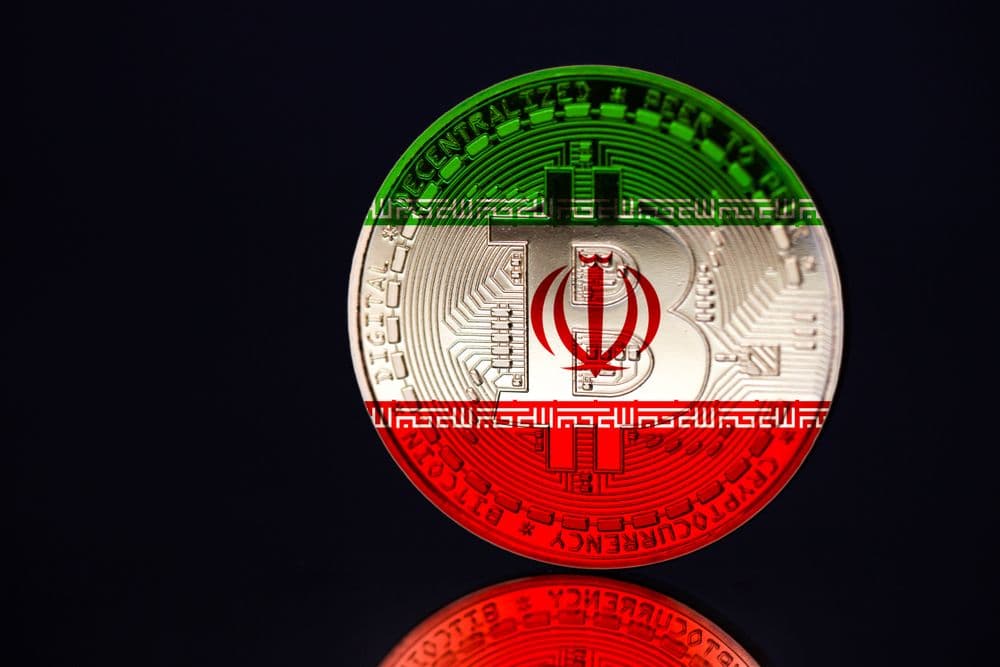
Iranian cryptocurrency exchange volumes fell roughly 80% in two days following U.S. and Israeli military strikes, according to TRM Labs. The abrupt contraction signals acute operational stress but not systemic failure in the country’s crypto market infrastructure.
The blockchain analytics firm said transaction activity dropped between Feb. 27 and March 1, based on TRM data. The decline followed coordinated U.S. and Israeli strikes on Feb. 28 that killed Iran’s supreme leader, Ayatollah Ali Khamenei, and triggered widespread internet restrictions across the country.
 TRM Team
Is Iran Facing Capital Flight Or Technical Disruption?
TRM attributed the volume collapse primarily to “mechanical access limitations,” citing connectivity constraints rather than exchange insolvency or shutdowns. Major domestic platforms remain operational in what the firm described as a “risk-managed state,” though withdrawals were temporarily suspended or batched and market depth thinned.
Iran’s central bank directed exchanges including Nobitex, Wallex, and Tabdeal to suspend trading of the USDT-toman pair, the key bridge between digital assets and the domestic currency. When trading resumed, order books were thin and brief price dislocations appeared, signaling impaired liquidity but continued core functionality.
Nobitex, the country’s largest exchange, recorded roughly $3 million more in combined inflows and outflows after the strikes began, TRM reported. Yet the firm said those flows were “not necessarily outliers in the context of routine operations,” diverging from Elliptic’s analysis that outflows surged 700% to nearly $3 million.
“The surge in crypto asset outflows last Saturday potentially represents capital flight from Iran,” Elliptic CEO Tom Robinson wrote Monday.
TRM cautioned against concluding that capital flight is underway, emphasizing that recent data aligns more closely with restricted access than investor panic. Still, geopolitical tensions remain elevated, with Iran’s top national security official rejecting negotiations even as U.S. President Donald Trump said talks were agreed. Further shifts in connectivity policy or sanctions enforcement may determine whether volumes stabilize or deteriorate further.
Michael Scherer