

Intuit is taking a new step toward modernizing digital payments by partnering with Circle to integrate USDC-based stablecoin payments across its flagship products, including TurboTax and QuickBooks. The multiyear agreement signals growing interest from major financial software providers in using blockchain-based tools to improve how money moves through everyday business and consumer platforms.
The partnership, announced Thursday, gives Intuit access to Circle’s stablecoin infrastructure. The goal is to support faster and potentially lower-cost payment flows tied to tax refunds, business payouts, payroll, and other financial services that already run through Intuit’s ecosystem.
 Team Circle
.jpg)
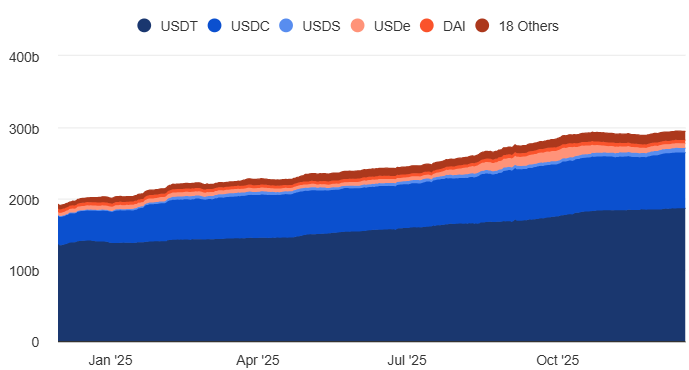
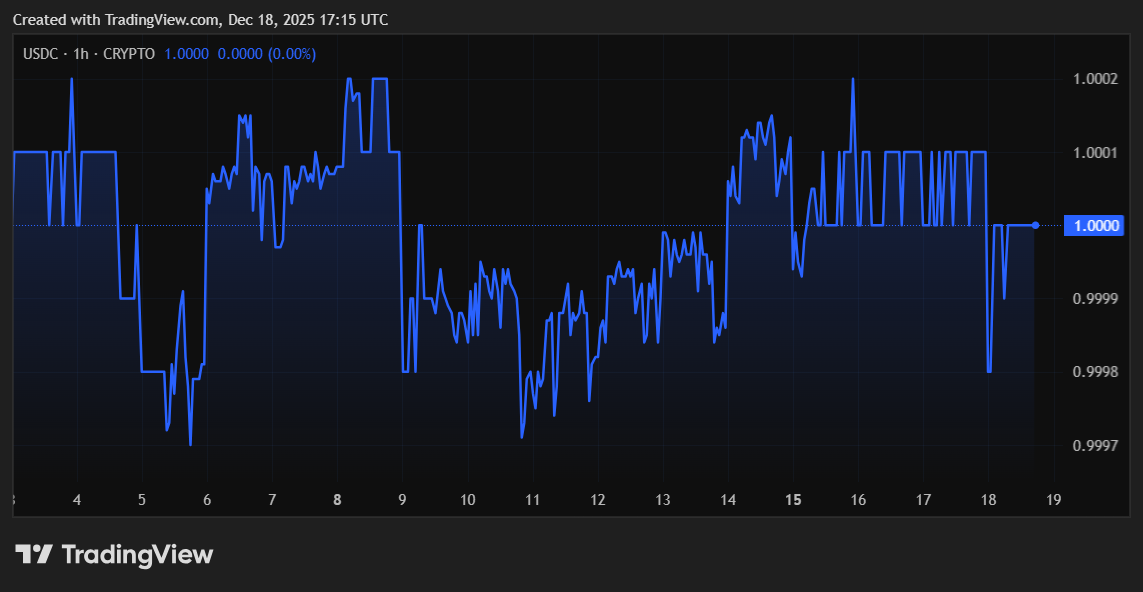
Circle is the issuer of USDC, the world’s second-largest dollar-backed stablecoin. According to data, USDC has a circulating supply of more than $78 billion. Unlike volatile cryptocurrencies, stablecoins such as USDC are designed to maintain a one-to-one value with the U.S. dollar, making them more practical for payments and settlement.
How stablecoins fit into Intuit’s platform
Intuit said the focus of the partnership is on embedding stablecoin settlement into its existing products rather than launching entirely new crypto-focused services. The company did not provide a specific timeline for rollout or confirm whether users will directly hold USDC within TurboTax or QuickBooks. It also remains unclear whether USDC will initially function behind the scenes as a payment rail or appear as a visible option for customers.
What is clear is the scale of the opportunity. Intuit processes billions of dollars each year across tax refunds, invoicing, payroll, and small-business payments. The company reports serving more than 100 million customers globally, ranging from individual taxpayers to small and mid-sized businesses.
By tapping into stablecoin infrastructure, Intuit could reduce reliance on traditional payment systems such as ACH transfers and wire services. Those legacy rails often come with delays, limited operating hours, and higher costs, especially for cross-border transactions. Stablecoins, by contrast, can support near real-time settlement around the clock.
A shifting regulatory and market landscape
The move comes as stablecoins gain traction among large payment networks and fintech firms. Interest has accelerated in part due to clearer regulation in the United States. Earlier this year, lawmakers passed the GENIUS Act, which established the country’s first federal framework for dollar-backed stablecoins. The legislation has been widely seen as a step toward giving major companies more confidence to explore stablecoin-based payment solutions.
Industry players are already moving in that direction. Earlier this week, Visa launched stablecoin settlement services for U.S. banks using USDC on the Solana blockchain. The service allows participating institutions to move funds onchain for backend settlement, rather than replacing consumer-facing card payments.
Circle, meanwhile, has been steadily expanding USDC’s presence across both traditional finance and crypto-native platforms. The company has announced new distribution partnerships with major cryptocurrency exchanges, including Bybit, as part of its effort to broaden USDC’s global reach and utility.
What this means for users
For Intuit customers, the integration may eventually translate into faster access to funds, smoother payouts, and more flexible payment options. Small businesses using QuickBooks, for example, could benefit from quicker settlement on invoices or payroll. Taxpayers using TurboTax could see improvements in how refunds are delivered, depending on how Intuit chooses to implement the technology.
At the same time, Intuit has emphasized that any changes will be embedded into familiar products. That suggests users may not need deep knowledge of blockchain or digital assets to benefit from the upgrade.
Looking ahead
While many details remain to be finalized, the partnership between Intuit and Circle highlights how stablecoins are moving beyond niche crypto use cases and into mainstream financial infrastructure. As regulation becomes clearer and large platforms experiment with new payment rails, stablecoins like USDC are increasingly positioned as a practical tool rather than a speculative asset.
If successful, Intuit’s integration could serve as a model for how established financial software companies adopt blockchain technology in a way that feels incremental, practical, and user-focused.



