

The digital asset treasury (DAT) market is moving into a new, cutthroat phase—what some analysts are calling “player versus player” (PvP) competition. Early movers who once enjoyed a scarcity premium on Bitcoin and Ethereum holdings can no longer rely on that advantage alone. Now, execution, governance, and strategy are what separate the winners from the laggards.
From Early Adoption to Fierce Rivalry
According to David Duong, Head of Research at Coinbase, the DAT market has reached a turning point. Over the past 6–9 months, institutional treasuries accumulated more than 1 million BTC and nearly 5% of Ethereum’s circulating supply. That level of concentration means these entities have become powerful players, directly shaping crypto’s supply and demand dynamics.
But the easy growth days are over. “The scarcity premium that benefited early adopters has already dissipated. In this PvP stage, only the most disciplined and strategically positioned players will thrive,” Duong explained.
The Numbers Behind the Shift
- Bitcoin (BTC): DATs and public companies now hold more than 1 million BTC—roughly 5% of the total supply.
- Ethereum (ETH): Institutional treasuries collectively own around 4.9 million ETH, worth about $21.3 billion, representing over 4% of circulating supply.
This accumulation represents a symbolic threshold: institutions are no longer passive investors. Their decisions on when and how to buy, sell, or hold now directly affect liquidity and market structure.
Implications of the “PvP” Phase
- Institutional Demand Will Steady Markets
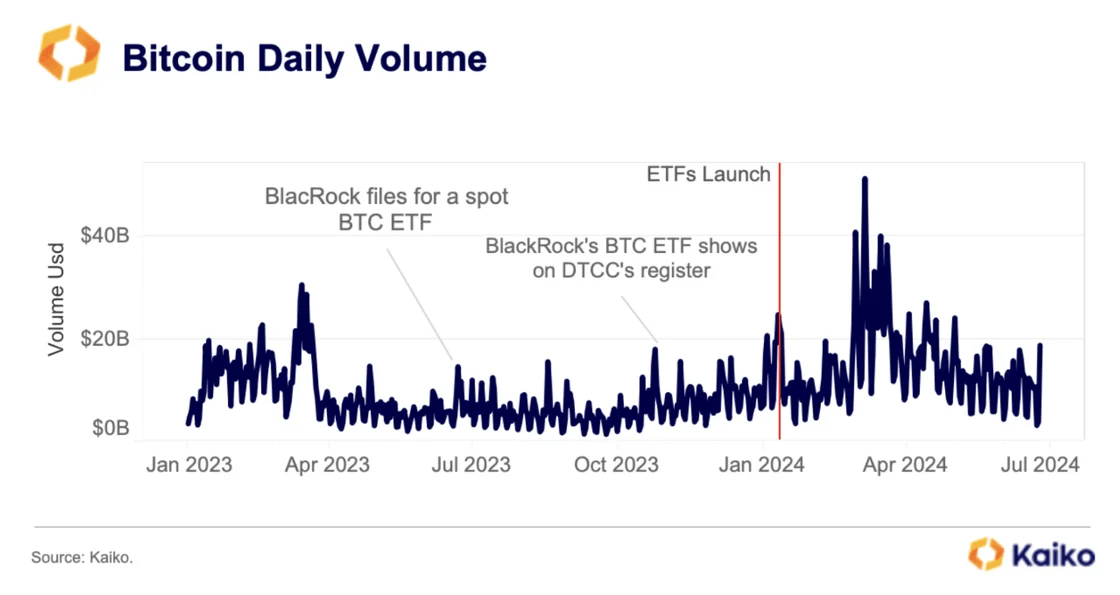
Large treasuries entering or expanding positions can create liquidity boosts similar to the effects seen with spot Bitcoin ETFs. That support may help prices in the short term, though it also reshapes how liquidity flows across exchanges. - Performance Is Under the Microscope
Investors are beginning to measure treasuries against each other. MicroStrategy, for example, once enjoyed a hefty trading premium over its net asset value (NAV). Today, that premium has narrowed as competitors enter the field and markets scrutinize financing strategies more closely.
In short, treasuries can no longer rely on being first. Execution quality, governance, and transparency are now the deciding factors.
What Comes Next?
As institutions compete head-to-head, the market is evolving from passive accumulation into active capital management. Those able to optimize risk, manage financing costs, and differentiate their strategies will stand out. The rest risk fading into the background.
Crypto’s treasury game has officially gone PvP—and only the sharpest players will survive.



