
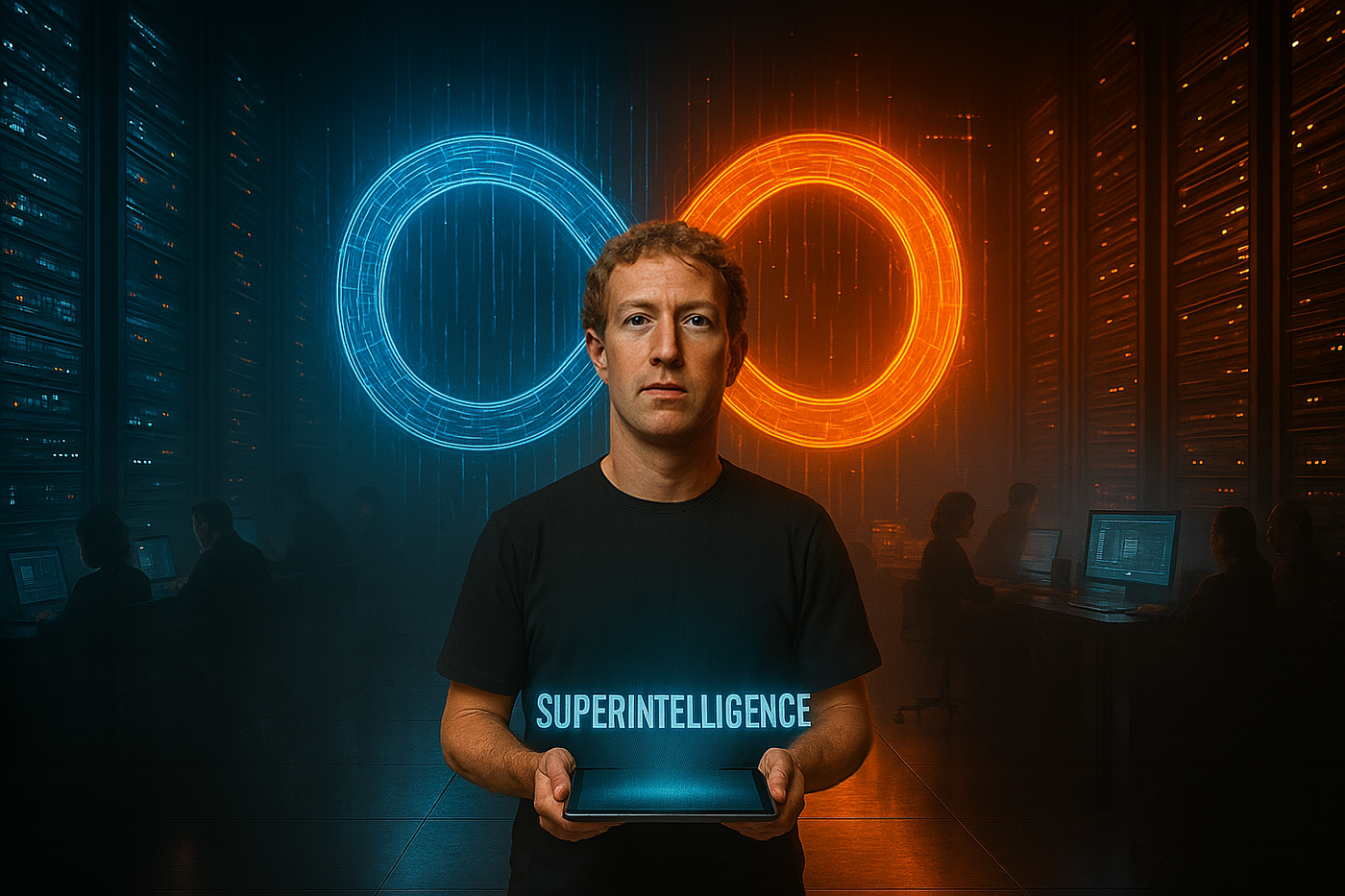
Mark Zuckerberg is once again going all in—this time on artificial intelligence. After sinking $46 billion into the metaverse with limited payoff, the Meta CEO has launched what may be Silicon Valley’s most expensive and aggressive push yet: building superintelligent AI.
At the center of this new frontier is Meta Superintelligence Labs, a restructured division dedicated to what Zuckerberg calls "personal superintelligence"—AI that enhances everyday life, not just automates work. Backed by unprecedented spending and top-tier hires, Meta is moving fast to catch up—or leap ahead—in a race where talent is scarce and the stakes are transformative.
A New AI Frontier: Meta Superintelligence Labs
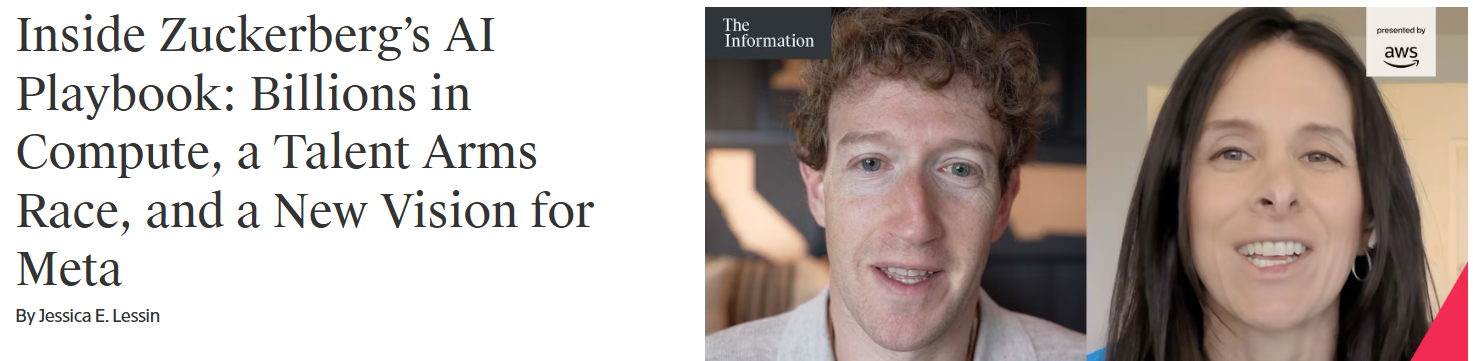
The formation of Meta Superintelligence Labs signals a major shift for the company, both philosophically and structurally. In a rare public conversation with The Information’s Jessica Lessin, Zuckerberg spoke of early signs that Meta's AI models are learning to improve themselves—pushing the once-distant goal of superintelligence into view.
To meet the challenge, Meta has revamped its entire AI division, installing new leadership and scrapping incremental upgrades in favor of bold reinvention. The company’s goal: to deliver superintelligent AI as a personal assistant for billions of users worldwide.
But bold visions require bold bets—and in Meta’s case, deep pockets.
The $15 Billion Talent Grab
At the core of this strategy is a talent acquisition spree unlike anything the tech world has seen. Meta has reportedly offered nine-figure compensation packages to recruit elite researchers from rivals like OpenAI, Google, Apple, and Anthropic. While Zuckerberg disputes some of the reported numbers, he doesn’t deny the scale. “It’s a very hot market,” he said, noting that the best researchers are being courted by every major lab.
Key to Meta’s appeal is not just the money—it’s infrastructure. Zuckerberg emphasized that Meta now offers “basically the most compute per researcher,” an advantage that makes it easier to attract and retain top talent. The idea is simple: give brilliant minds more power and freedom, and let them build the future.
Alexandr Wang and the Scale AI Coup
Perhaps the boldest move yet was Meta’s $14.3 billion investment in Scale AI, giving the company a 49% stake and bringing in founder Alexandr Wang as Meta’s Chief AI Officer. At just 28, Wang now leads the newly formed Superintelligence Labs alongside former GitHub CEO Nat Friedman and several top researchers from Scale AI.
This core group operates in a dedicated space next to Zuckerberg’s own office, underscoring the priority the company places on the initiative. Internally, the project has sparked both excitement and tension, as select employees are handpicked to join the elite AI team—raising concerns about internal brain drain and morale.
Open Source No More?
In a surprising shift, Meta may be preparing to abandon its open-source AI philosophy. For years, Meta shared its AI models with the broader research community, arguing that transparency accelerates innovation. But with its most powerful model, Behemoth, now stalled due to underwhelming internal results, the company is rethinking its approach.
Leaders inside Superintelligence Labs, including Wang, are reportedly discussing a closed-source strategy to protect Meta’s competitive edge. If confirmed, the move would reflect a broader industry trend toward secrecy and proprietary control as the race for AI dominance intensifies.
Infrastructure at Massive Scale
Meta isn’t just investing in people—it’s building the physical backbone for AI development at an unprecedented scale. According to Zuckerberg, the company is constructing multiple multi-gigawatt data centers, including “Hyperion,” a facility that will eventually span a footprint rivaling Manhattan.
Meta is also pioneering rapid-build techniques, including “weatherproof tents,” to speed up deployment. These projects are fully funded through Meta’s existing cash flow—giving the company rare flexibility to scale fast without external capital.
Rethinking AI’s Purpose
While other companies focus on automating labor and productivity, Meta’s AI vision leans toward the personal and experiential. Zuckerberg imagines AI that understands relationships, creativity, and joy—eventually delivered through AR glasses that act as cognitive co-pilots.
“If you don’t have AI glasses,” he warned, “you’re going to be at a cognitive disadvantage.”
It’s a vision that merges utility with intimacy, positioning Meta’s products as more than just tools—they become digital extensions of human experience.
Industry Ripple Effects
Meta’s aggressive hiring strategy has had immediate effects across the tech industry. Salaries for AI researchers are climbing, as rival firms scramble to keep their stars. The competition has also highlighted just how limited the talent pool is at the frontier of superintelligence research.
Despite his diplomatic tone, Zuckerberg acknowledged the zero-sum nature of the race: “We’re not trying to target anyone individually,” he said. “I want to make sure I get to know all of the top researchers in the industry.”
Still, as Meta pulls in top names and rewires its organizational focus, the implications are clear: this is a winner-take-most game, and Meta is playing to win.



