
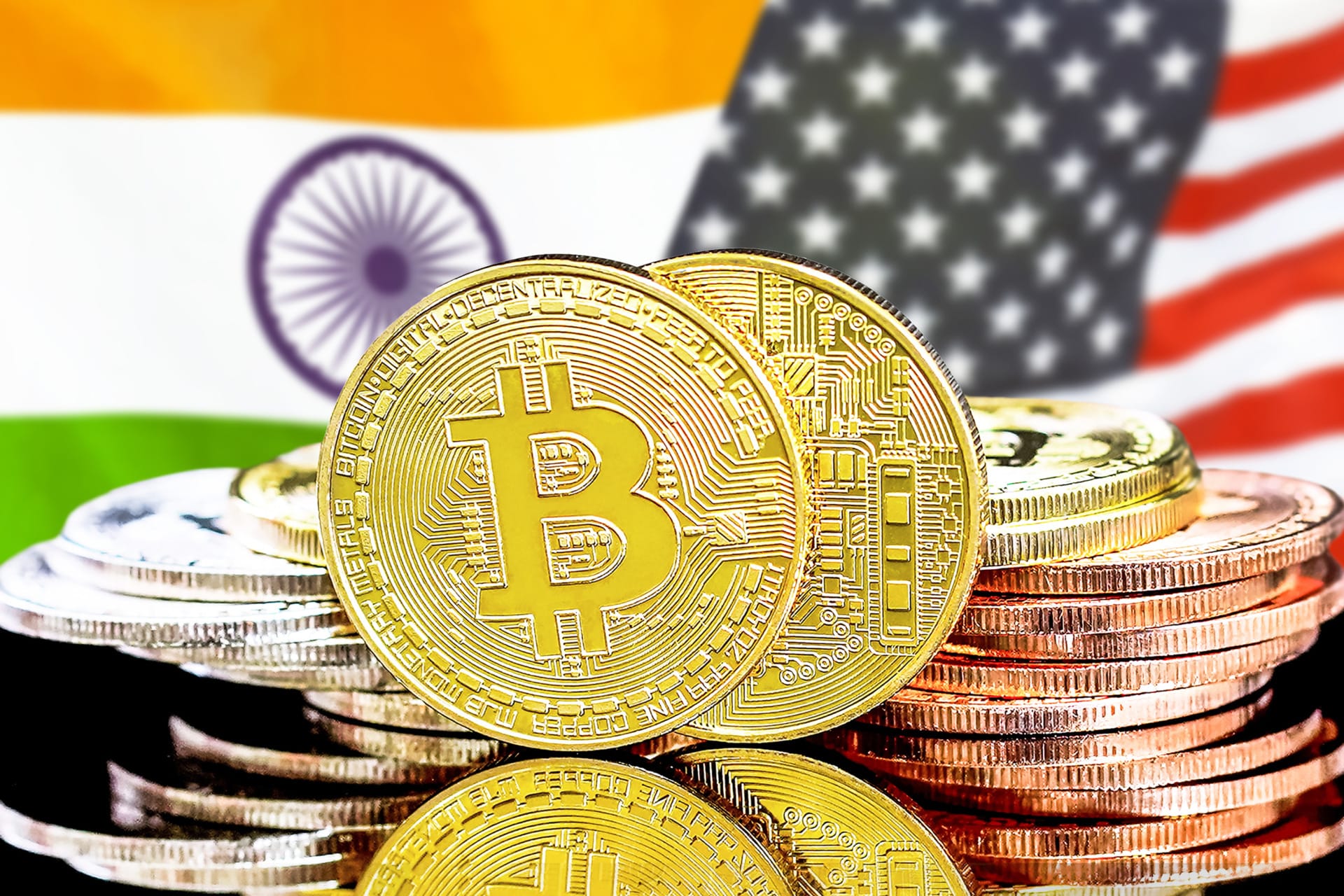
Global cryptocurrency adoption surged in 2025, led by India and the United States, as stablecoins emerged as the backbone of digital asset transactions, according to a new report by blockchain intelligence firm TRM Labs.
The 2025 Crypto Adoption and Stablecoin Usage Report, released Tuesday, highlights how South Asia has become the fastest-growing region for crypto activity, while the U.S. continues to dominate in overall transaction volume.

South Asia Leads Growth, Driven by India and Pakistan
Between January and July 2025, crypto adoption in South Asia — including India and Pakistan — rose by 80% compared to the same period last year, reaching approximately $300 billion in transaction volume. India held the top spot for global crypto adoption for the third consecutive year, followed by the U.S., Pakistan, the Philippines, and Brazil.
U.S. Strengthens Its Position Amid Policy Clarity
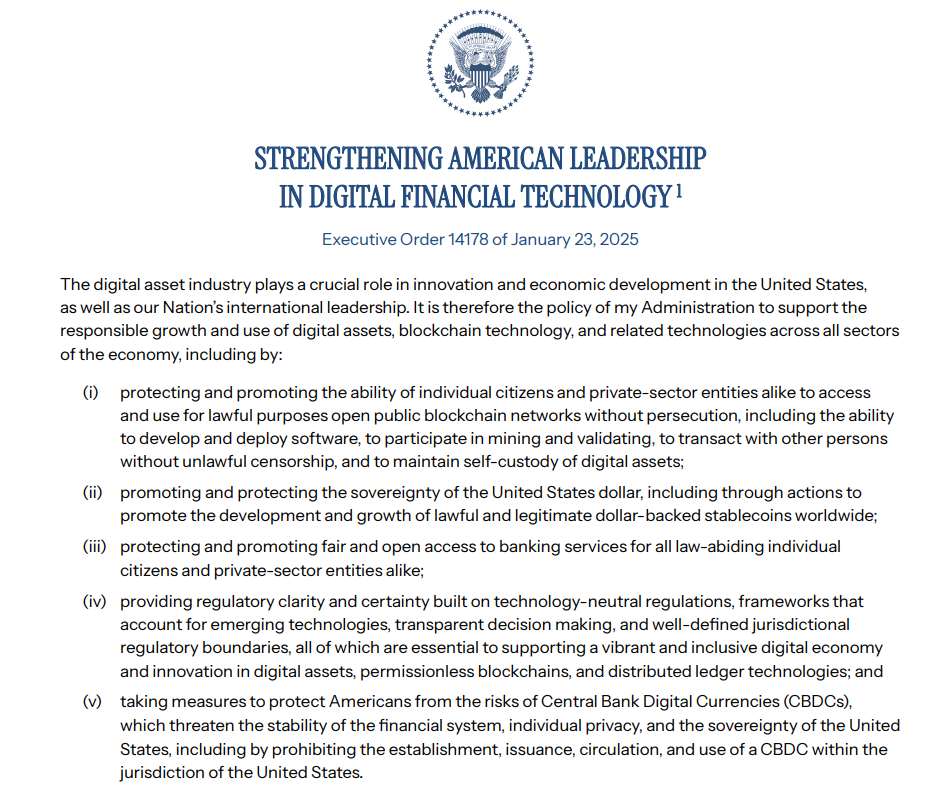
The United States also saw a significant rise in digital asset activity, with total crypto transactions exceeding $1 trillion in the first seven months of 2025 — a roughly 50% increase year-over-year. TRM Labs attributed this momentum partly to favorable policy developments, including the GENIUS Act and the White House’s 180-Day Digital Assets Report, which provided clearer regulatory frameworks for the crypto sector.
Stablecoins Take Center Stage
Stablecoins have become a cornerstone of the crypto economy, now accounting for nearly 30% of all crypto transaction volume. By August 2025, global stablecoin transactions hit a record $4 trillion, representing an 83% increase compared to 2024. Market leaders Tether (USDT) and Circle (USDC) collectively held about 93% of total stablecoin market capitalization.
Retail Adoption Accelerates Worldwide
The report also highlighted the surge in retail participation, noting that small-scale and individual crypto transactions jumped 125% from January to September 2025 compared to the same period last year. TRM Labs suggested that this trend reflects growing confidence among individuals using crypto for payments, remittances, and safeguarding value amid economic uncertainty.
“In some jurisdictions, adoption has accelerated in response to regulatory clarity and institutional access; in others, it has expanded despite formal restrictions or outright bans,” the report noted. “These contrasting dynamics point to a consistent trajectory: crypto is moving further into the financial mainstream. A key trend underscoring this shift is the rise of stablecoins.”
A Mainstream Shift Takes Shape
The findings reinforce a broader global trend — digital assets are becoming deeply integrated into everyday financial systems. Whether driven by improved regulation or consumer need, the trajectory is clear: crypto, especially through stablecoins, is no longer a fringe experiment but an evolving pillar of the modern economy.



