

The International Monetary Fund is raising fresh concerns about the rapid growth of stablecoins, warning that these digital assets could accelerate currency substitution in countries with weaker monetary systems and put new pressure on central banks.
In a new report titled Understanding Stablecoins, released Thursday, the IMF said the expanding use of dollar-backed stablecoins may encourage people and businesses in high-inflation or low-trust environments to shift away from their local currencies. Because stablecoins are easy to move across borders and widely available, the IMF says the trend could weaken central banks’ ability to manage capital flows.
According to the report, “stablecoins may contribute to currency substitution, increase capital flow volatility by circumventing capital controls, and fragment payment systems unless interoperability is ensured.” The risks, it added, are highest in countries facing inflation, institutional fragility, or declining confidence in domestic monetary frameworks.
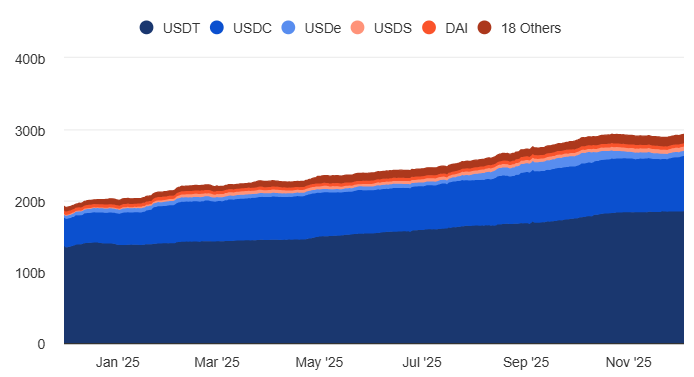
The stablecoin market has grown sharply. USDT and USDC, the two largest issuers, have tripled in size since 2023 and now hold a combined market cap of around 260 billion dollars. Trading volumes also spiked to 23 trillion dollars in 2024. Asia leads the world in total stablecoin use, but activity relative to GDP is strongest in Africa, the Middle East, and Latin America, where currency substitution already has a long history.
Despite the risks, the IMF acknowledges that stablecoins could expand financial access. In many developing economies, digital wallets and mobile payments are already more widespread than traditional banking. With proper regulatory and legal safeguards, stablecoins could reduce payment costs and increase competition, helping more people join the digital financial system.
Systemic Risks Still Loom
The IMF cautions that the benefits come with significant macro-financial drawbacks. A loss of confidence in a stablecoin’s reserves could trigger a run, forcing issuers to rapidly sell assets and potentially disrupt broader markets. The cross-border, pseudonymous nature of stablecoins also makes it harder for governments to enforce capital controls and track illicit finance. Unhosted wallets, often held anonymously, limit visibility into who holds what, complicating crisis response.
A Patchwork of Rules
Regulation is emerging worldwide, but the IMF notes that rules are still fragmented. Its review of Japan, the EU, the United States, and the United Kingdom highlights differences in who can issue stablecoins, how reserves must be stored, and how foreign issuers are treated. Without coordination, the IMF warns, regulatory gaps could encourage arbitrage and weaken global oversight.
Even so, the IMF concludes that stablecoins are “here to stay.” Their long-term impact on global finance will depend on how effectively countries work together to create consistent standards and reduce the risks tied to fragmentation and currency substitution.
In the United States, regulators are already moving forward. The GENIUS stablecoin bill passed earlier this year, and federal agencies are now drafting the rules. Lawmakers, including Representative Bryan Steil, are pushing for updates on how quickly those frameworks will be implemented.



