
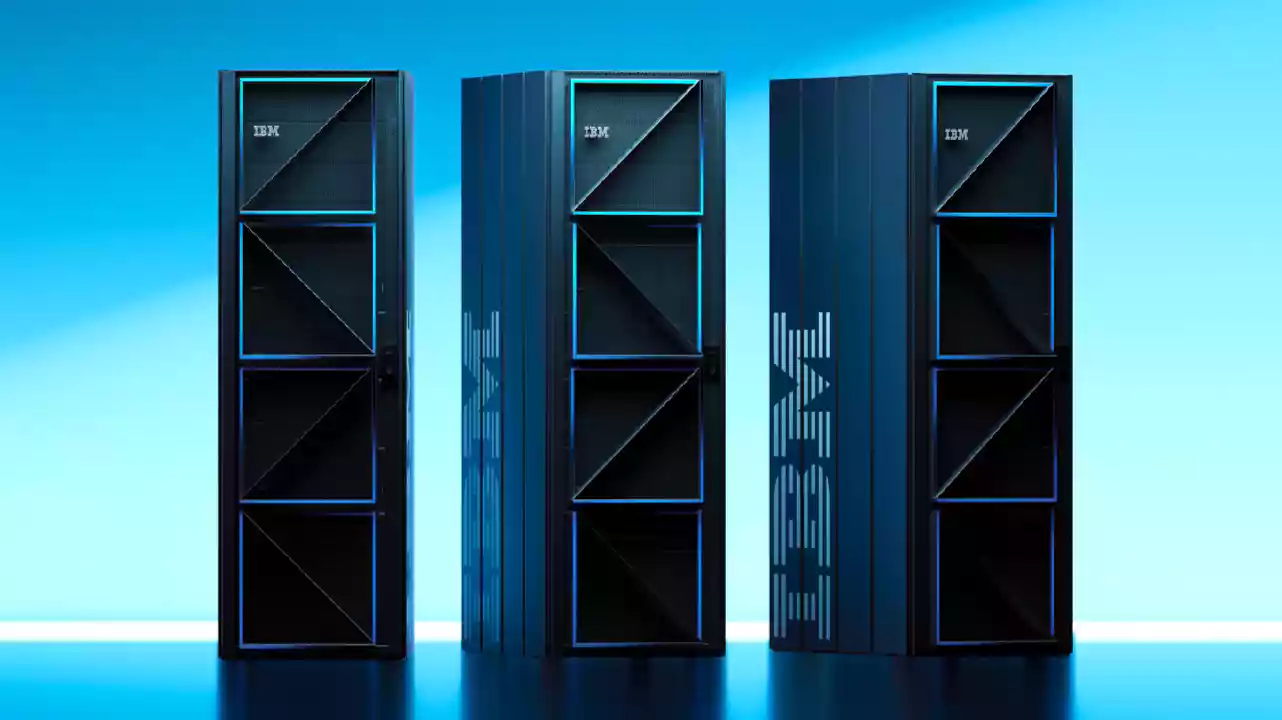
IBM Power11 Aims to Redefine Enterprise AI Infrastructure
IBM is betting big on enterprise AI—and it’s doing so with reliability at the center. On July 8, 2025, the tech giant unveiled Power11, its next-generation enterprise server platform, engineered to run AI workloads without sacrificing the uptime mission-critical systems demand.


With AI adoption accelerating across industries, IBM believes businesses are tired of stitching together niche AI accelerators with legacy infrastructure. Power11 reflects a shift toward integrated platforms that can seamlessly run AI and traditional applications side by side, without downtime or disruption.
Built for Always-On Business
The standout claim? Power11 offers 99.9999% uptime—which translates to fewer than 32 seconds of unplanned downtime per year. That kind of resilience is no luxury in industries like banking, healthcare, and government, where any outage can cost millions or compromise public safety.
IBM says planned downtime is also eliminated, allowing updates and system maintenance to happen in the background while operations keep running. That means businesses no longer need to schedule overnight windows or endure interruptions just to patch their systems.
AI Acceleration Without Extra Infrastructure
What makes Power11 particularly future-facing is its built-in support for AI inference—the process of applying trained models to real-world data for things like fraud detection, logistics planning, or patient risk scoring.
The servers will support IBM’s upcoming Spyre Accelerator, a chip purpose-built for AI workloads, expected later in 2025. With this setup, companies can run AI models natively on the same platform as their enterprise apps, avoiding the need to invest in separate AI hardware stacks.
Speed, Efficiency, and Energy Savings
Power11 also brings serious performance gains. IBM claims up to 55% better core performance over Power9 systems and 45% more capacity than Power10, alongside double the performance per watt versus comparable x86 servers.
A new Energy Efficient Mode further optimizes workloads, offering up to 28% better server efficiency without sacrificing output—an increasingly relevant feature as enterprises weigh cost and sustainability.
Security Built for the AI Era
In a world where cyber threats are evolving fast, Power11 comes preloaded with IBM’s Cyber Vault. This system automatically creates and tests immutable data snapshots within a minute of detecting a ransomware attack, helping organizations quickly isolate and recover clean data.
It also includes quantum-safe cryptography, approved by NIST, to guard against emerging “harvest-now, decrypt-later” threats from future quantum computing advances.
Practical Deployment and Real-World Fit
Power11 will be offered in entry-level, mid-range, and high-end configurations, and via the IBM Cloud as a virtual server. It integrates with Red Hat OpenShift AI and the broader open-source ecosystem, making it more flexible for organizations that are already building modern data architectures.
While IBM hasn’t yet shared pricing or total cost of ownership, the real test will be how the system performs once deployed—and whether its AI capabilities meet the practical needs of real-world enterprise environments.
Looking Ahead
Power11 becomes generally available on July 25, 2025, with the Spyre Accelerator arriving later in Q4. IBM’s watsonx.data lakehouse solution is also slated to run on Power11 by year’s end.
In a competitive market, where IT leaders are seeking platforms that balance AI agility with enterprise-grade dependability, IBM’s Power11 is a clear pitch for unified, resilient infrastructure. Whether it wins wide adoption will depend on its real-world performance and how well it meets the growing demand for AI-native systems without compromising uptime or control.



