
A week after Huawei revealed it would open-source its Compute Architecture for Neural Networks (CANN) toolkit, the global tech community is still debating what this means for the future of artificial intelligence development.
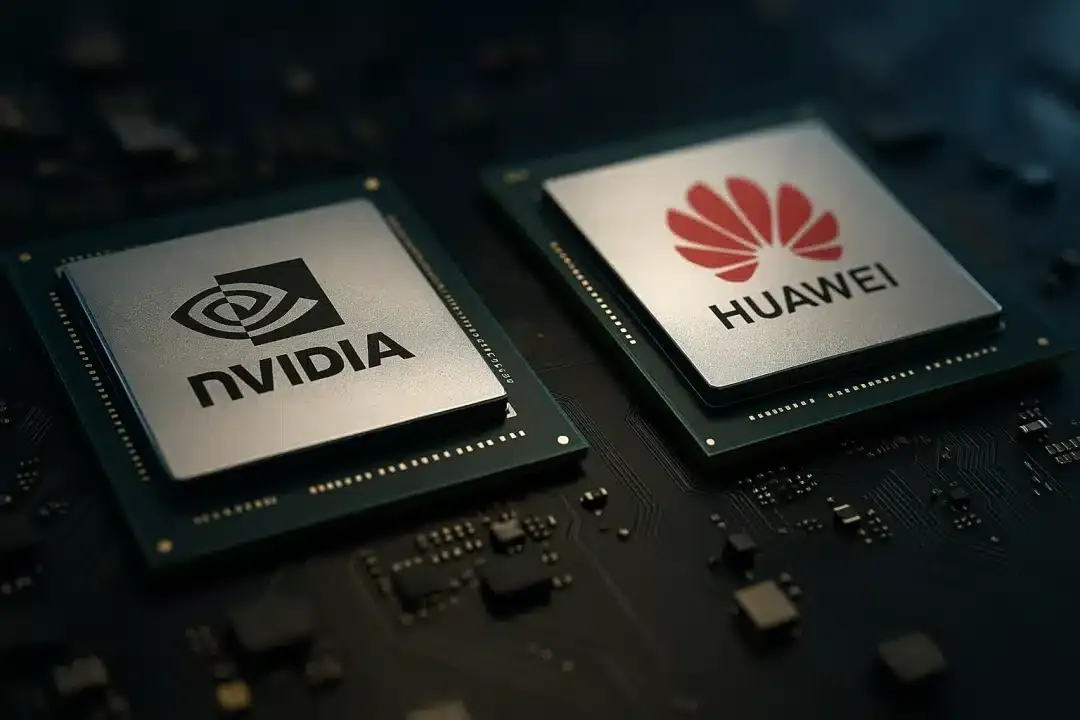
The Chinese tech giant’s move positions CANN as a direct alternative to NVIDIA’s CUDA platform, which has dominated AI computing for nearly two decades. By making CANN freely available to developers worldwide, Huawei hopes to break into a market long defined by CUDA’s tight integration with NVIDIA’s GPUs.
What is CANN?
First launched in 2018, CANN is Huawei’s heterogeneous computing architecture designed for its Ascend AI processors. It offers multi-level programming interfaces, allowing developers to create both high-performance and specialized AI applications. The platform has been years in the making, intended to support a complete ecosystem around Huawei’s AI hardware—much like CUDA does for NVIDIA.
Why Now?
Huawei’s announcement came during its developer conference in Beijing, with rotating chairman Eric Xu Zhijun saying the open-source approach would “speed up innovation” and make Ascend chips more accessible. The timing coincides with heightened US-China tech tensions. In recent weeks, China’s Cyberspace Administration launched an inquiry into NVIDIA over alleged “serious security issues,” while US lawmakers have pressed for stricter controls on chip hardware features.
 Xinmei Shen
Breaking CUDA’s Grip
NVIDIA’s CUDA has long been criticized for locking developers into a single-vendor environment. Efforts to run CUDA on other GPUs through translation layers have been blocked by licensing terms. This exclusivity has kept CUDA unrivaled, with a mature software ecosystem that includes thousands of optimized libraries, extensive documentation, and broad developer adoption.
For Huawei, winning over developers will require more than competitive hardware—it will mean building a similarly rich ecosystem and proving CANN’s stability, compatibility, and performance.
Analysts Divided
Industry experts say the open-source move could accelerate CANN’s adoption, especially in China, but matching CUDA’s global reach could take years. While some benchmarks suggest Huawei’s Ascend processors can outperform certain NVIDIA models under specific workloads, hardware speed alone won’t guarantee migration.
Huawei has begun working with Chinese AI companies, universities, and research bodies to build a collaborative open-source community around Ascend. This mirrors other recent Chinese tech efforts, such as Xiaomi’s release of its MiDashengLM-7B language model and Alibaba’s open-source Qwen3-Coder.

The Bigger Picture
The open-source push aligns with China’s broader strategy for technological self-reliance amid ongoing US export restrictions. By developing a strong domestic AI software ecosystem, Huawei aims to ensure that its AI ambitions are less dependent on foreign platforms.
Looking Ahead
Whether CANN can erode CUDA’s dominance remains uncertain, but the move signals a strategic shift from competing on proprietary platforms to fostering collaborative ecosystems. In the high-stakes race for AI computing leadership, Huawei’s gamble could reshape not only its own future but also the balance of power in the global semiconductor industry.



