
Artificial intelligence is becoming part of everyday crypto trading. From automated bots to sentiment scanners, AI tools promise faster decisions and data-driven strategies. But what do they actually do, and how can you use them without taking unnecessary risks?
Let’s break it down in plain terms.
AI vs. Traditional Algorithmic Trading
Many traders use “algorithmic trading” and “AI trading” interchangeably. They’re not the same.
Traditional trading algorithms follow fixed instructions written by a human. For example: if Bitcoin drops below a certain price, buy a specific amount. The system executes exactly what it’s told. It doesn’t adapt. It doesn’t learn.
AI-driven systems, especially those using machine learning, are more flexible. Instead of following one rigid rule, they analyze large amounts of data — historical prices, trading volume, and sometimes news — to detect patterns. Over time, some models can adjust based on past performance. They don’t predict the future with certainty, but they can estimate probabilities.
That difference matters. Static bots execute. AI models analyze and adjust.
Common Ways AI Is Used in Crypto Trading
AI shows up in several practical ways.
AI trading bots are the most visible example. These connect to exchanges and execute trades automatically. Strategies may include arbitrage (profiting from price differences across exchanges), grid trading (placing buy and sell orders at set intervals), or trend-following systems.
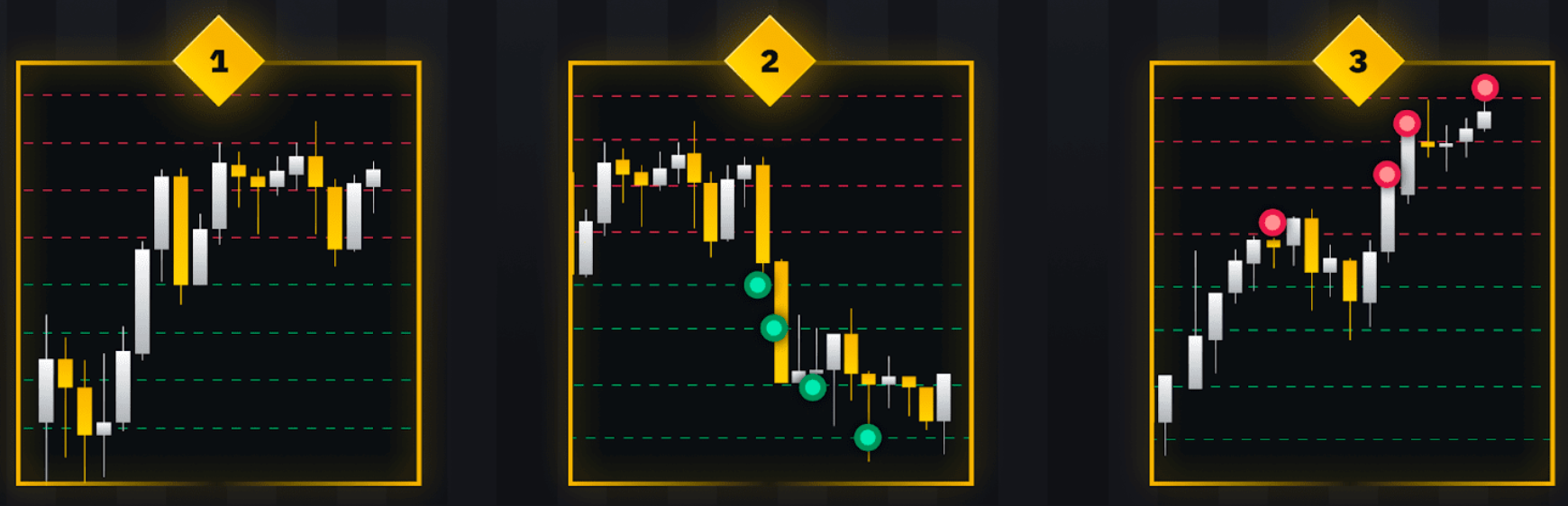
Sentiment analysis is another growing area. Using natural language processing (NLP), AI tools scan news articles, Reddit threads, and posts on X to gauge market mood. If sentiment shifts sharply positive or negative, strategies may adjust accordingly.
Predictive analytics relies on historical data to estimate potential future outcomes. No system can guarantee accurate forecasts, but AI can analyze thousands of past scenarios to improve entry and exit timing.
At the institutional level, high-frequency trading (HFT) firms use advanced AI systems to execute trades in milliseconds. This space is dominated by well-funded companies with specialized infrastructure.
How Beginners Can Start Using AI
You don’t need to be a programmer to begin.
You can use AI tools like ChatGPT or similar models to summarize whitepapers or explain tokenomics before investing. On charting platforms such as TradingView, generative AI can help draft basic Pine Script indicators.
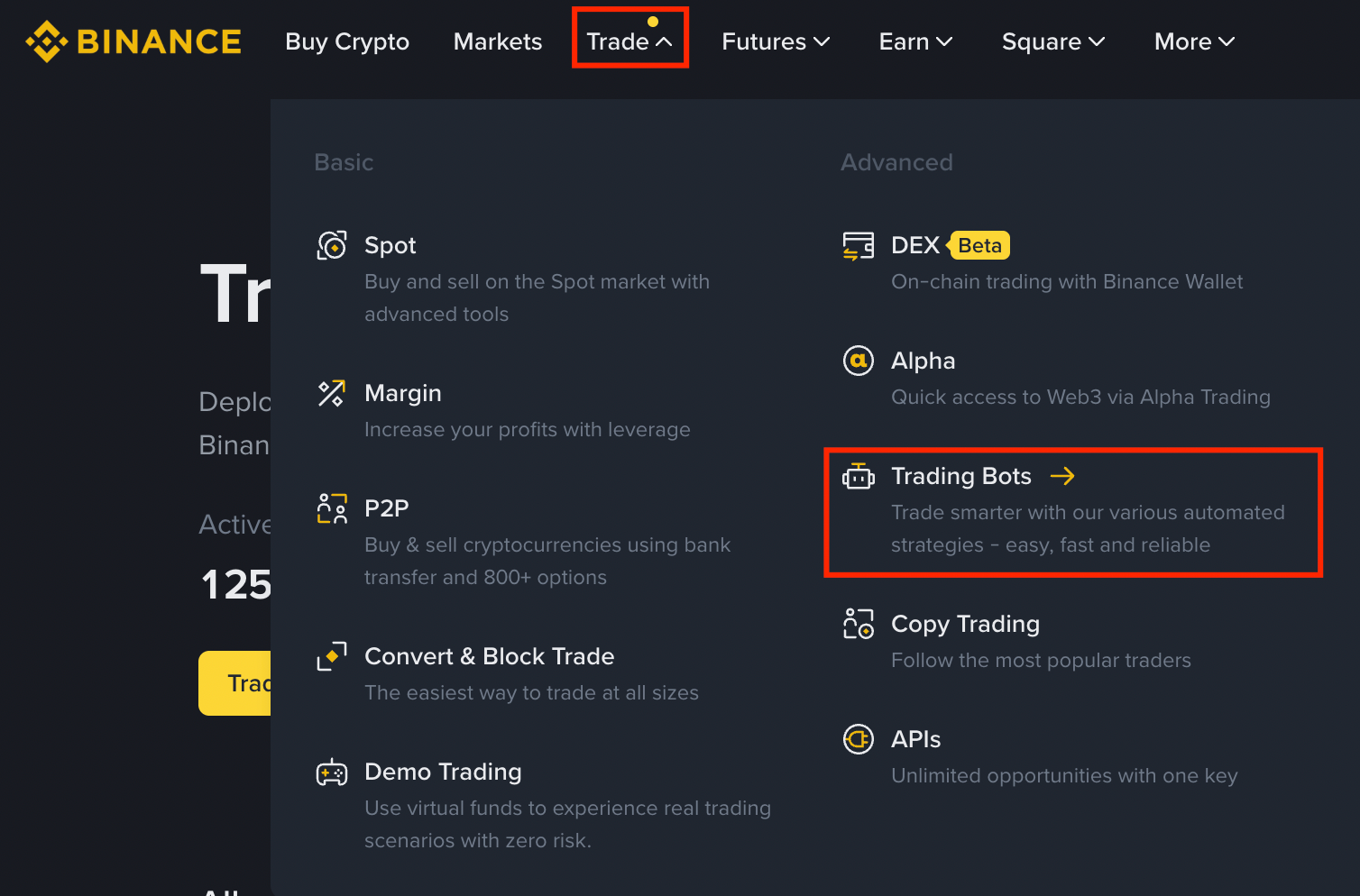
Many exchanges and platforms offer no-code bot builders. Binance, for example, provides grid and dollar-cost averaging bots inside its trading interface. Third-party platforms like 3Commas and Cryptohopper offer subscription-based automation that connects via API keys.
Backtesting is another smart entry point. Testing a strategy against past market data helps you understand how it might have performed historically before risking real capital.
Build or Buy: Which Makes Sense?
You generally have two options.
Subscription platforms are easier and faster to deploy. They’re user-friendly but require trust in the provider’s strategy and security practices.
Building your own system offers full control, usually in Python, but demands technical skills and ongoing maintenance.
There’s no universal answer. It depends on your experience, time commitment, and risk tolerance.
The Benefits — and the Risks
AI can remove emotional bias. It trades based on data, not fear or hype. It works 24/7, which matters in crypto’s nonstop markets. And it reacts faster than any human.
But the risks are real.
Some “black box” bots promise guaranteed returns. Many are unverified or outright scams. Overfitting is another problem — when a model performs well on past data but fails in new market conditions. Technical failures, API key misuse, and exchange outages can also cause losses.
AI is a tool, not a shortcut to easy profits.
If you decide to use it, treat it like a research assistant and execution engine — not a replacement for judgment. Combine automation with risk management, skepticism, and ongoing learning. That balance is what separates disciplined traders from disappointed ones.



