

A New Way to Trade Copper
Copper has long been a cornerstone commodity in global markets. It’s used in everything from construction and electronics to renewable energy infrastructure. Traditionally, trading copper meant using commodity exchanges or specialized brokerage accounts.
Now, cryptocurrency exchanges are opening the door to a broader audience.
With the COPPERUSDT perpetual contract on Binance Futures, traders can gain exposure to copper price movements directly from a crypto trading platform. This blends traditional commodities with the always-on nature of digital asset markets.
The result is a market that runs 24 hours a day, seven days a week, offering flexibility that traditional commodity exchanges typically don't provide.
But before jumping in, it helps to understand how the process works.
Step-by-Step: Trading Copper on Binance Futures
Trading copper on Binance Futures follows a straightforward workflow.
1. Search for the Copper contract
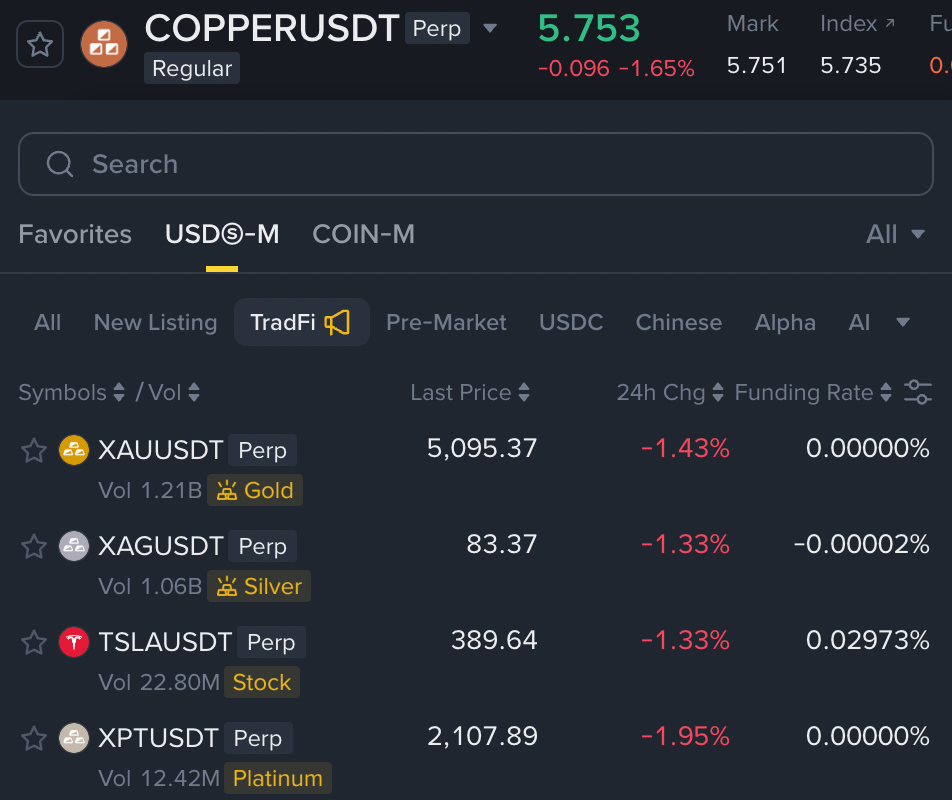
Start by opening the contract selector menu on Binance Futures. Type COPPERUSDT in the search bar.
You can also locate it under the “TradFi” category, where Binance groups contracts tied to traditional financial assets.
2. Check your Futures balance
Before placing a trade, confirm that your Futures wallet has funds.
If the balance shows zero, you can add funds through several options:
- Transfer from your Spot wallet
- Buy Crypto directly on the platform
- Swap from another asset
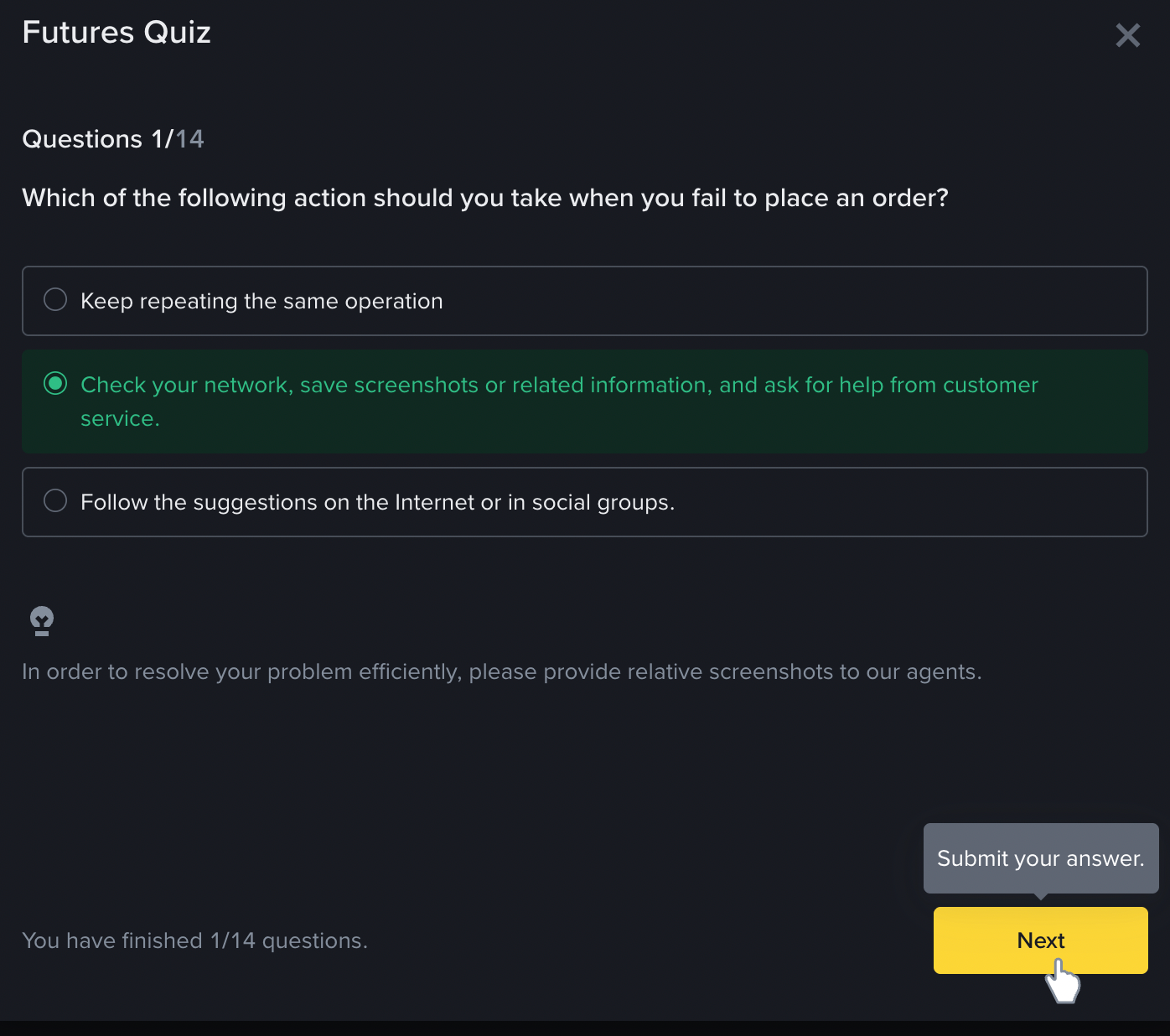
If you're using Binance Futures for the first time, the platform will prompt you to activate a Futures account. New users may also need to complete a short Futures Quiz designed to confirm basic understanding of derivatives trading.
3. Place a trade
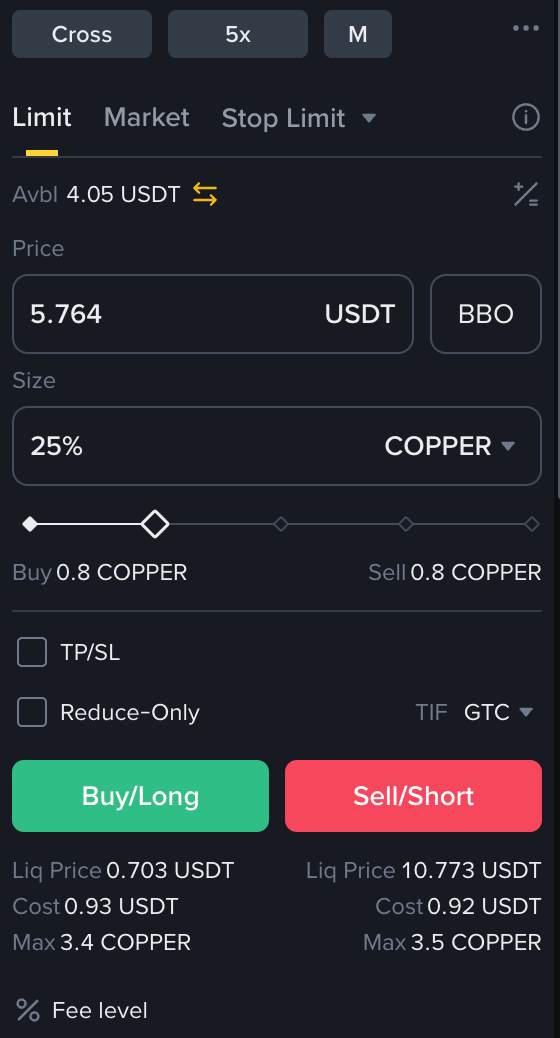
Once your account is ready, you can open the order panel to place a buy or sell order.
Like other perpetual futures contracts, COPPERUSDT allows traders to speculate on price movements without owning the underlying commodity. You simply choose your order type, position size, and leverage settings before confirming the trade.
Understanding Margin Modes
Risk management is critical in futures trading. Binance offers two margin modes for this reason.
Cross Margin
Cross margin shares your margin balance across all open positions. If one trade moves against you, it can draw from the entire margin pool.
This approach provides flexibility but also increases exposure.
Isolated Margin
Isolated margin limits the risk to a single position. Only the margin allocated to that trade is at risk.
Many traders prefer isolated margin when testing new markets because it helps control potential losses.
You can switch between these modes by clicking the margin selector at the top of the trading interface.
Monitoring Your Trades
Once a position is open, the bottom section of the Futures interface becomes your control center.
Here you can track:
- Active Positions
- Open Orders
- Order History
- Trade History

Keeping a close eye on these sections helps traders manage risk and adjust strategies as market conditions change.
What This Means for Commodity Traders
The introduction of COPPERUSDT perpetual futures signals a growing overlap between traditional commodities and crypto infrastructure.
Platforms like Binance are increasingly adding contracts tied to traditional markets. This gives digital asset traders access to commodities without needing a conventional brokerage account.
Still, futures trading carries real risk.
Leverage can amplify gains, but it can also magnify losses. Market volatility, especially in commodities like copper, can move quickly.
For anyone considering this market, understanding how futures work—and using careful risk management—remains essential.



