
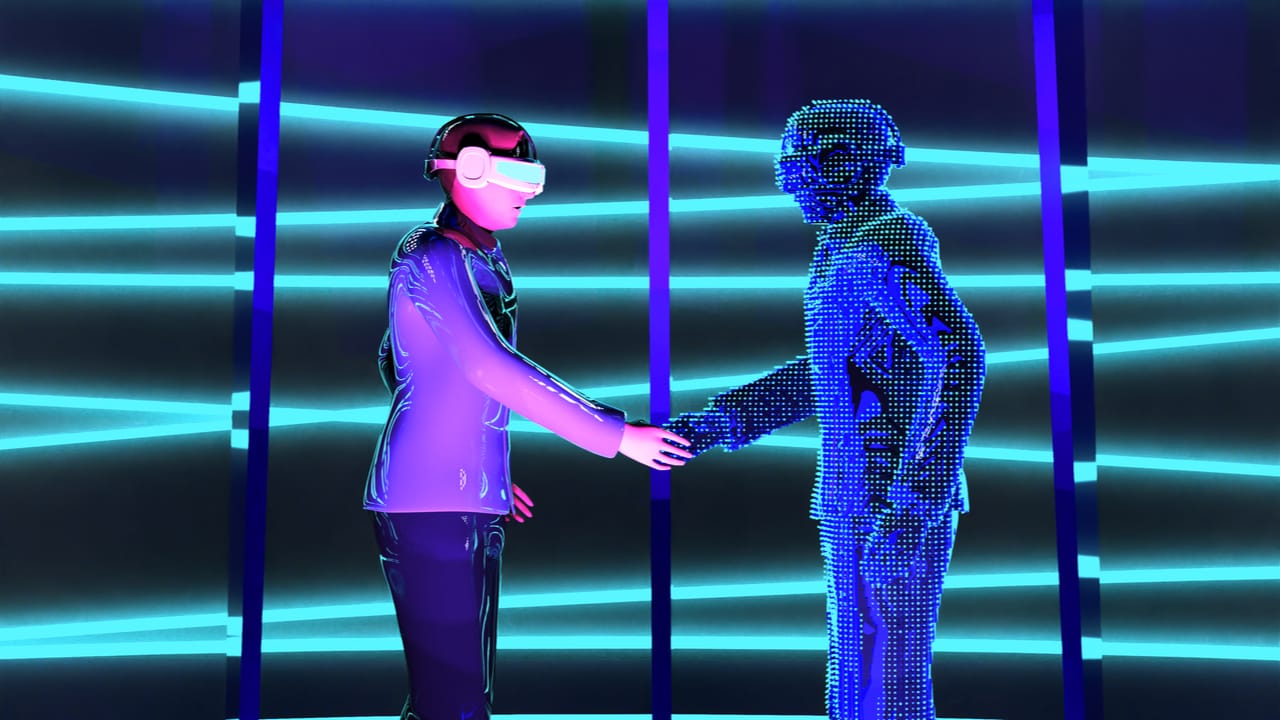
The term metaverse gets thrown around a lot these days, but what exactly is it? At its core, the metaverse is not just one single place. Instead, it is a fascinating combination of connected technologies like virtual reality, augmented reality, artificial intelligence, and blockchain networks working perfectly together. Different projects build their own unique digital universes based on specific goals, design choices, and platforms. Whether you want to attend a virtual concert or build a digital business, understanding how these spaces operate is the first step to jumping in.
The Engine of Virtual Ownership
If you explore a decentralized metaverse, you will quickly notice that blockchain tokens are the absolute lifeblood of the economy. These platforms use a multi token system to give users true ownership of their digital goods. For example, nonfungible tokens, widely known as NFTs, act as digital deeds for virtual real estate. When you buy a parcel of digital land, supply and demand dictate its market value on the open web. Once you own it, the possibilities are truly endless. You can rent it out to other users, build a thriving ecommerce store, or simply hold onto it as a long term investment.
Currencies and Governance
Beyond real estate, NFTs also represent scarce items like clothing for your avatar, specialized tools, and even digital vehicles. But how do you actually buy these items? That is exactly where fungible tokens come in. These act as the everyday cash of the virtual world, allowing you to trade assets and earn rewards for participating in the ecosystem. While many of these worlds claim to be fully decentralized, some are still guided by central developers. Others, however, rely on decentralized autonomous organizations. In these community driven systems, token holders actually get to vote on the future rules and development of the virtual world itself. To interact with any of this, you simply need a compatible Web3 setup like a MetaMask wallet.
Gaming Metaverses
When looking at the broader landscape, these virtual worlds generally fall into two main categories. First, we have gaming metaverses. These are highly focused environments where players compete to earn digital currency or rare assets. A perfect example is The Sandbox. It originally started as a centralized mobile game builder but transformed into a blockchain powerhouse after being acquired by Animoca Brands in 2018. Originally launched on the Ethereum network and later expanded to Polygon, it allows users to buy LAND and build interactive experiences. Its massive success has attracted major names like Snoop Dogg, The Walking Dead franchise, and Warner Music Group. Other popular gaming ecosystems include Axie Infinity and Alien Worlds.
Exploratory Metaverses
On the other side of the spectrum are exploratory metaverses. These platforms are much more open ended, giving brands and individual creators a blank canvas to build almost anything they can imagine. Decentraland is arguably the most famous example here. Started as a passion project in 2015 and officially launched to the public in 2020, this Ethereum based virtual world uses MANA as its native currency. Because there are no strict game rules, major traditional brands have flocked to it. Decentraland famously hosts Metaverse Fashion Week, featuring digital runway designs from iconic fashion houses like Dolce and Gabbana and Tommy Hilfiger. If you wander around enough, you can even find a virtual Sotheby auction house for high end digital art or visit a dedicated Atari casino.
Centralized vs Decentralized Worlds
Of course, not every virtual world runs on the blockchain. Centralized platforms like Roblox, Fortnite, and Meta Horizons share many similarities with their Web3 counterparts. Users still explore vast landscapes, interact via custom avatars, and spend in game credits on cool wearables. The major difference lies entirely in ownership. In a centralized system, the parent company issues all assets and controls the entire economy. You cannot take your items off the platform to sell elsewhere, and the company can change the rules or delete your account at any time. However, these corporate worlds usually have massive development budgets, which often results in a smoother, more polished user experience. Plus, for users who do not want the stress of managing private cryptocurrency keys, these traditional platforms offer a much simpler and safer starting point.



