
In the fast-moving world of crypto, a new breed of scam is thriving—Web3 pump-and-dump schemes powered by fake news, deepfakes, and online anonymity. These scams prey on hype, fear of missing out, and the decentralized nature of blockchain markets. But while the tech is cutting-edge, the tactics are old-school fraud dressed in a digital disguise.
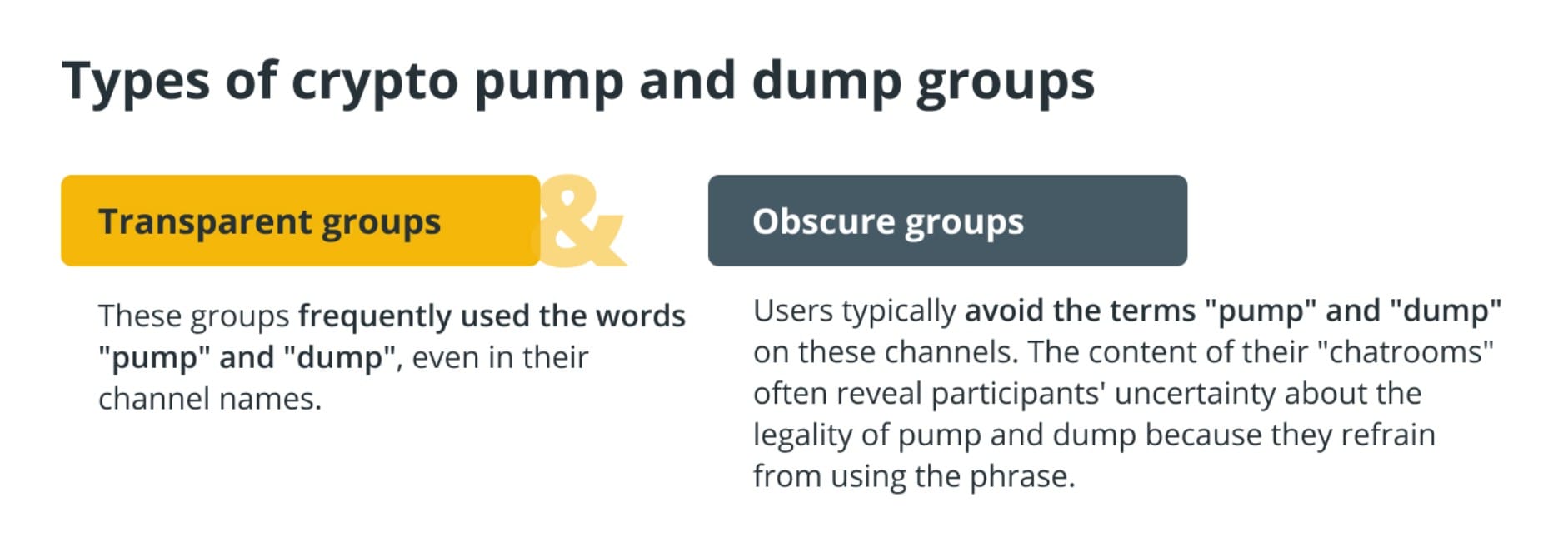
What Is a Web3 Pump-and-Dump Scheme?
At its core, a pump-and-dump is market manipulation. It involves artificially inflating the price of a low-value token using hype and misinformation, only for insiders to sell off their holdings at the peak. Once the dump happens, prices crash, leaving everyday investors holding worthless coins.
And unlike traditional financial markets, crypto rarely has the oversight or safeguards to stop it.


Why These Scams Work So Well in Web3
Several factors make Web3 fertile ground for manipulation:
- Anonymity: Scammers often operate under pseudonyms on platforms like Telegram or Discord, making them hard to trace.
- Lack of regulation: Unlike stock markets, most crypto trading is unregulated, global, and active 24/7—with no circuit breakers.
- Easy token creation: Platforms like Pump.fun have made launching a new coin incredibly simple—over a million tokens were created in 2024 alone.
- Influencer marketing: Fake endorsements and manipulated buzz (including deepfakes of celebrities) are regularly used to build hype and trust.
In one infamous case from October 2024, “Operation Token Mirrors” led to $25 million seized and 18 people charged, proving that regulators are starting to catch up—but many schemes still slip through the cracks.
How These Crypto Pump-and-Dump Scams Unfold
These scams typically follow a four-stage playbook:
- Pre-launch
Hype builds around a “new” project. Founders stir up excitement on social channels and may even organize pre-sales. - Launch
The token goes live. Influencers—sometimes unknowingly—start promoting it. Early investors rush in. - Pump
Fake news spreads. Social posts suggest big partnerships, celebrity backing, or guaranteed returns. This drives a surge in demand and a price spike. - Dump
When prices peak, insiders sell. Prices collapse almost instantly, leaving others stuck with nearly worthless tokens.
In some cases, ringleaders walk away with profits of 100% to 2,000%—all in a single scheme.
Red Flags: How to Protect Yourself from Crypto Pump Scams
Scams are getting harder to spot, especially when they look like the next big investment. Here are smart ways to stay safe:
- Be wary of unsolicited advice: If someone randomly messages you about a “hot” coin, treat it with suspicion.
- Watch for fake endorsements: Scammers are increasingly using deepfakes of celebrities or executives to create the illusion of credibility.
- Avoid urgency traps: "Act now!" and "once-in-a-lifetime chance" are tactics to rush you into decisions. Legitimate investments don’t pressure you.
- Always do your own research (DYOR): Look into the project’s team, history, and transparency. If details are sketchy or vague, it’s best to walk away.
- Don’t put all your crypto in one basket: Spreading your investments lowers your risk if one turns out to be a scam.
Pump-and-dump schemes in Web3 are evolving—and fake news and deepfakes are making them harder to spot. But knowledge is your best defense. By understanding how these scams operate and learning to spot red flags, you can protect yourself from falling into a hype-driven trap. As with all things in crypto: stay curious, stay cautious, and never invest more than you can afford to lose.



