
Artificial intelligence is rapidly changing how businesses approach link building, one of the most critical pillars of search engine optimization (SEO). Once driven largely by manual outreach and intuition, link strategies are now becoming more data-driven, automated, and precise—thanks to advances in AI and machine learning.
The Rise of AI in Link Strategies
Traditionally, link building involved hours of research, outreach, and tracking—processes that were both time-consuming and prone to human error. AI has changed that equation entirely. With machine learning algorithms, SEO professionals can now analyze massive data sets in seconds, identifying the most relevant and impactful link opportunities based on performance history and real-time search trends.
This technology doesn’t just improve accuracy—it also saves time. By automating repetitive tasks like partner outreach or backlink tracking, AI frees up marketers to focus on strategy and creative execution. Businesses can now use predictive analytics to forecast which links are most likely to improve search rankings, ensuring resources are invested where they matter most.
 Thomas Andersen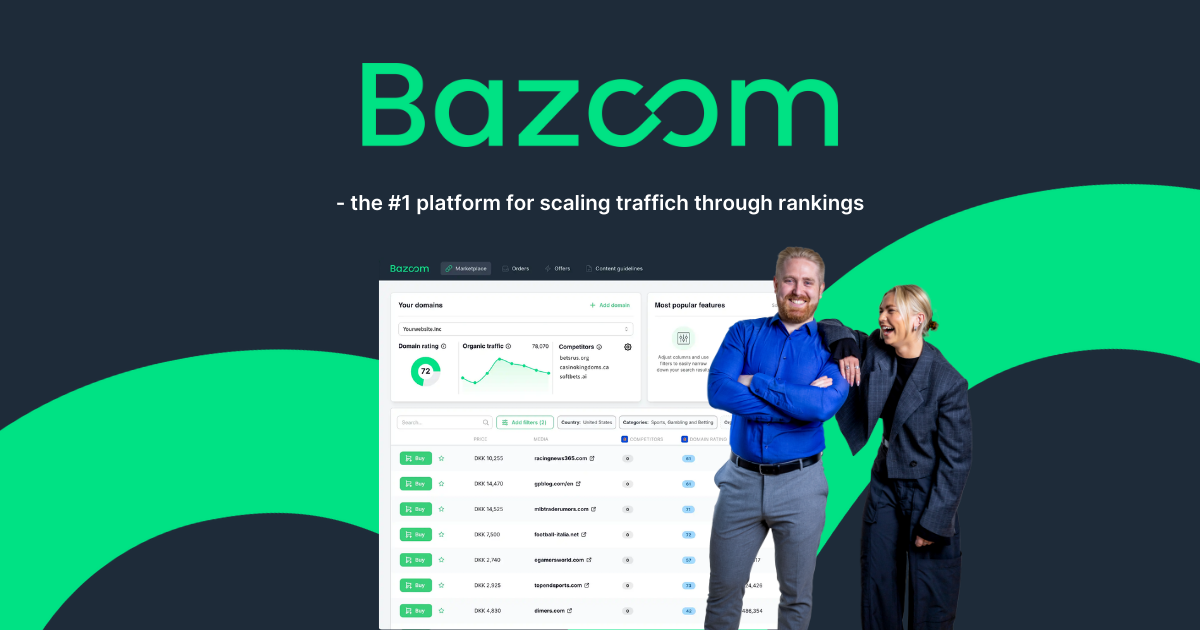
Smarter, Data-Driven Decision-Making
AI-enhanced link strategies bring a new level of intelligence to SEO. These systems can identify gaps in backlink profiles, benchmark performance against competitors, and even suggest strategic partnerships that boost domain authority. This broader market insight helps companies adapt quickly to search algorithm changes, maintaining visibility even in volatile digital landscapes.
AI Tools Powering Modern Link Building
A growing range of AI-powered SEO tools now streamline link building from end to end. These platforms use machine learning and natural language processing (NLP) to detect valuable linking patterns, automate outreach campaigns, and provide real-time analytics.
Thomas Germain
For instance, AI-driven backlink services such as Bazoom’s integrate relationship management and automated reporting, allowing marketers to monitor campaign performance effortlessly. These tools go beyond automation—they deliver actionable insights, helping brands refine strategies for maximum impact.
Real-World Applications and Future Outlook
AI’s role in SEO extends beyond data analysis. Businesses are using AI to personalize outreach messages, evaluate link quality, and even predict future shifts in search algorithms or user behavior. By staying ahead of these changes, companies can maintain a competitive edge and protect their rankings from sudden drops.
Looking forward, expect deeper AI integration into every layer of digital marketing. Emerging technologies like natural language processing will continue improving contextual understanding of content, while predictive modeling will help marketers anticipate and react to industry shifts faster than ever.



