

Artificial intelligence and blockchain are reshaping education—offering students more flexible, secure, and globally accessible alternatives to traditional systems. From AI-assisted teaching to blockchain-based credentials, the shift toward decentralized and tech-driven education is gaining momentum across the globe.


Educators and innovators are using these technologies to fill gaps left by legacy institutions. John von Seggern, founder of the online Futureproof Music School, is one of them. His school, which focuses on electronic music production, already incorporates an AI assistant to help design and enhance course material. But he’s taking things a step further by introducing blockchain-based certificates—verifiable digital credentials that prove students have completed specific coursework.
“I was involved in getting the accreditation for my last school, and I saw a lot of problems in that process,” von Seggern said.
Blockchain, he believes, offers a more reliable and transparent solution.
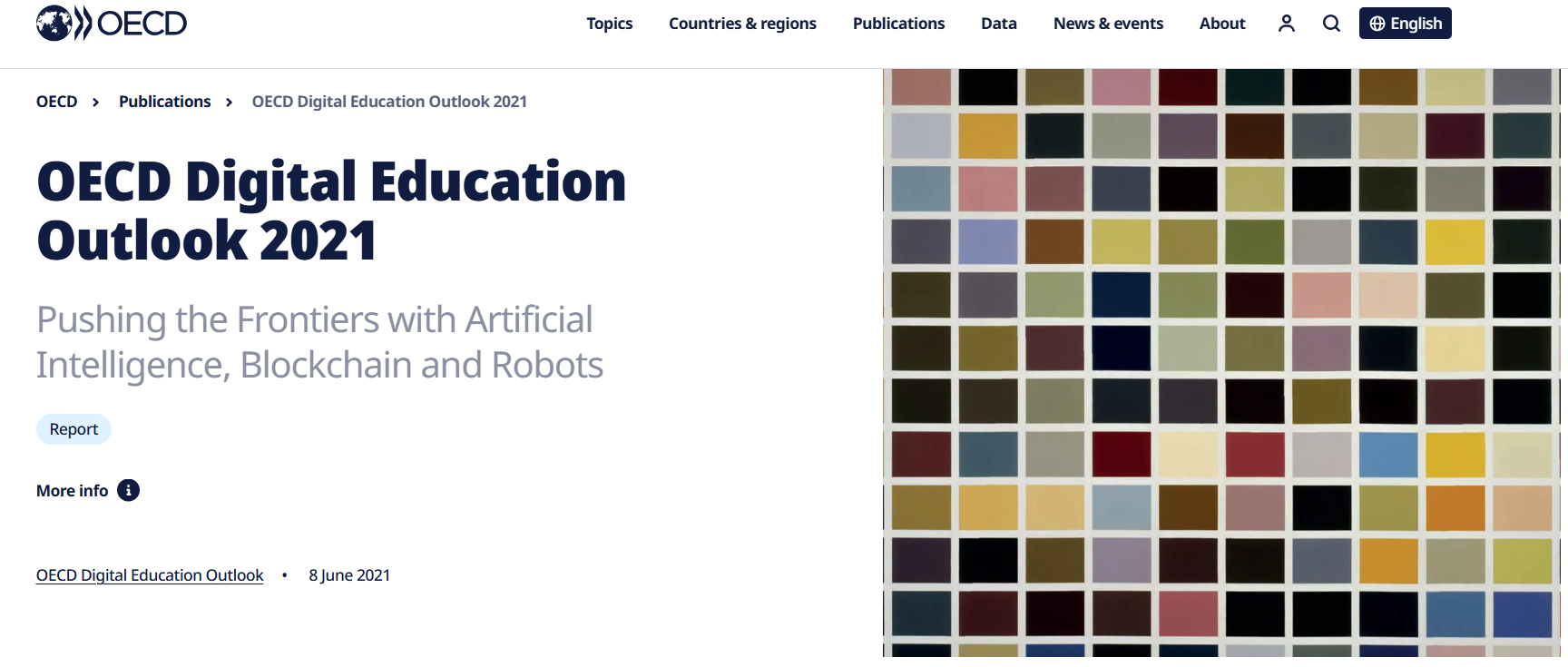
He’s not alone in that thinking. A report from the Organization for Economic Co-operation and Development (OECD) highlights a global push to use blockchain for issuing and verifying educational qualifications. According to the OECD, blockchain gives individuals and institutions the ability to validate credentials instantly and with a high degree of confidence. This could reduce fraud, ease cross-border student mobility, and give learners more control over their personal data.
Meanwhile, projects like Open Campus are building blockchain-native infrastructure specifically for education. In January, the organization launched EDU Chain—a layer-3 blockchain designed to host tamper-proof, onchain academic records. It’s part of a broader push toward decentralized, accessible learning tools.
At Token2049 in Dubai, Binance co-founder Changpeng Zhao (CZ) announced his own education initiative: Giggle Academy. The free platform aims to teach 1 billion children, using generative AI to build engaging, customized course content. Blockchain will handle the credentialing, ensuring learners anywhere in the world can own and prove their progress.
Taken together, these developments suggest a major shift in how education is delivered, verified, and valued. AI enables personalized, scalable learning; blockchain makes those learning experiences verifiable and portable across borders.



