
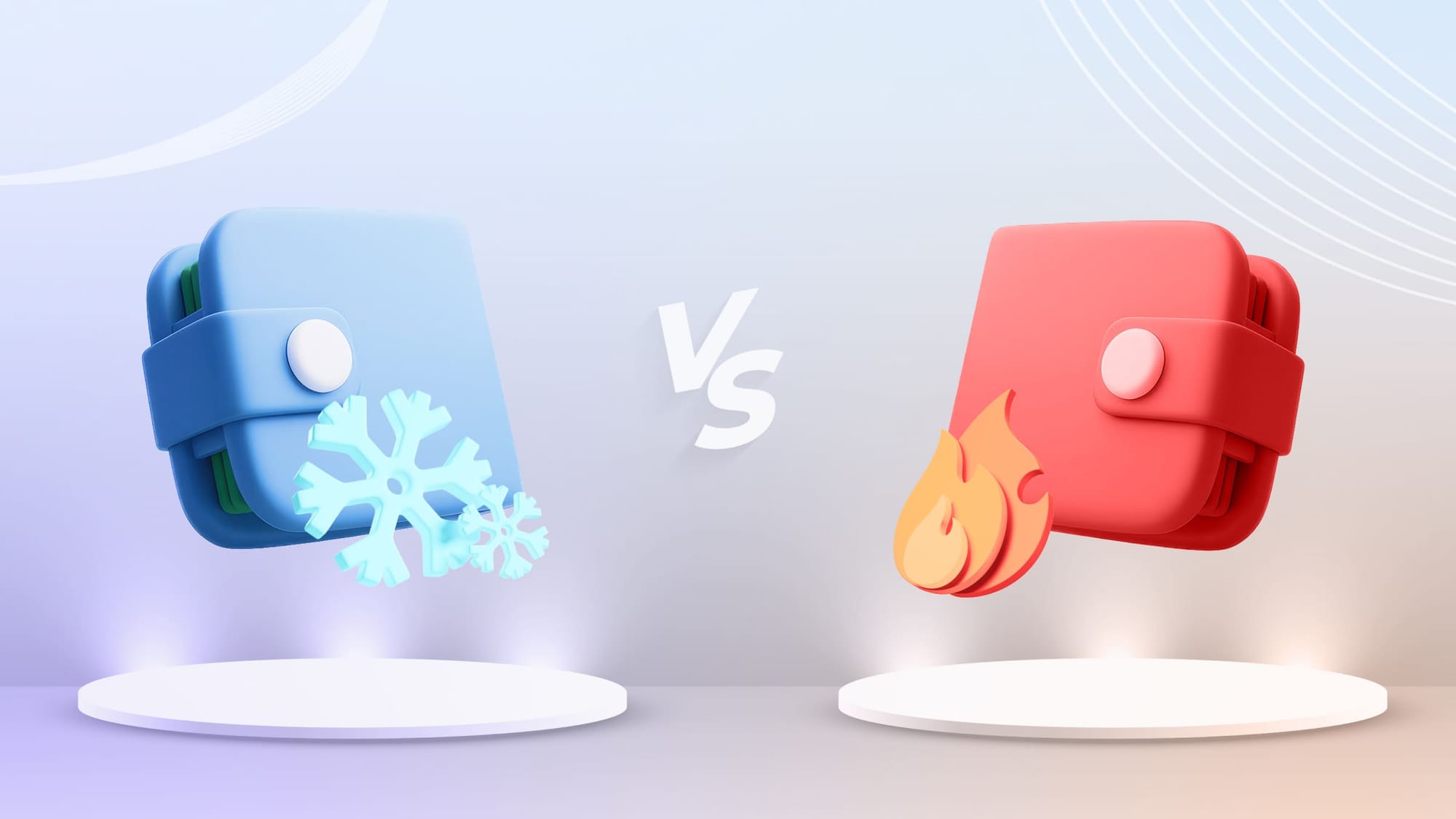
Why Wallet Choice Matters
If you’ve dipped your toes into crypto, you already know one rule: protect your assets. But the real challenge comes in deciding how. With wallets being the entry point to your coins, choosing between a hot or cold wallet can make all the difference. Each option offers a trade-off between convenience and security, and the right choice depends on how you plan to use your crypto.
What Exactly Is a Crypto Wallet?
A crypto wallet doesn’t actually “hold” coins. Instead, it secures the private keys—those secret strings of numbers and letters that let you access and move funds recorded on the blockchain.
Think of it this way: your wallet is a digital keychain. Your public address works like a bank account number you can share freely. Your private keys are like the keys to your safe. Lose them, and you lose your funds—no reset button, no customer service to call.
Hot Wallets: Convenience Comes First
Hot wallets are always connected to the internet. They’re apps or extensions you can access instantly from your phone, desktop, or browser. Some exchanges also provide custodial hot wallets, though in that case, the platform—not you—controls the keys.
Why people use them:
- Easy setup and quick transactions.
- Perfect for active traders or those using decentralized apps (DApps).
- Often free and user-friendly.
Where they fall short:
Constant internet connection makes hot wallets a prime target for hackers, malware, and phishing scams. Even one careless click on a fake site could compromise your funds.
In short: hot wallets are like cash in your pocket—great for daily use, but risky to keep your life savings in.
Cold Wallets: Security Over Speed
Cold wallets store your keys completely offline, shielding them from most online threats. They come in several forms:
- Hardware wallets (like Ledger or Trezor): USB-style devices that plug into your computer.
- Smartcards or Bluetooth wallets: Portable, sometimes wearable, devices with wireless access.
- Air-gapped wallets: Devices that never touch the internet, signing transactions offline.
- Paper wallets: Printed keys—simple but fragile and easy to lose.
Why people use them:
- Strong protection against hacks.
- Ideal for holding large amounts of crypto long term.
Drawbacks:
- Less convenient; you’ll need extra steps to move funds.
- Physical risks—lose the device or paper, and you lose your access unless you’ve backed it up properly.
In short: cold wallets are like a vault—great for savings, less practical for daily spending.
Hot vs. Cold: Do You Really Have to Choose?
Not necessarily. Many seasoned users combine both:
- Hot wallet for small amounts and everyday transactions.
- Cold wallet for larger, long-term holdings.
This hybrid approach balances convenience with strong security—something like keeping a little cash in your wallet and the rest in the bank.
Safety Tips No Matter What You Use
- Back up your recovery phrase (seed phrase) and keep it offline in a secure place.
- Use strong, unique passwords and enable two-factor authentication.
- Only download wallets from official sources.
- Watch for phishing attempts—fake sites and emails are common attack vectors.
- For serious amounts, consider multi-signature wallets or professional custody services.
Closing Thoughts
At the end of the day, wallets are your gateway to the crypto world. Hot wallets give you speed and flexibility, while cold wallets lock down your assets with stronger protection. For most people, the smartest move is to use both: keep what you need for daily activity in a hot wallet, and store the rest offline for peace of mind.



