
Hitachi says its physical artificial intelligence systems cut automotive integration testing man-hours by 43% in a pilot involving multi-core electronic control units. The result signals that industrial incumbents are translating decades of engineering data into measurable AI productivity gains.
In an interview with Nikkei Asia, Kosuke Yanai, deputy director at Hitachi’s Centre for Technology Innovation–Artificial Intelligence, argued that physical AI requires foundational knowledge of physics and industrial equipment. Hitachi’s Integrated World Infrastructure Model (IWIM), a mixture-of-experts architecture, remains in concept verification, but deployments with manufacturing and rail partners are already live.
 Staff Writer
Can Industrial Data Outweigh Foundation Models In Physical AI?
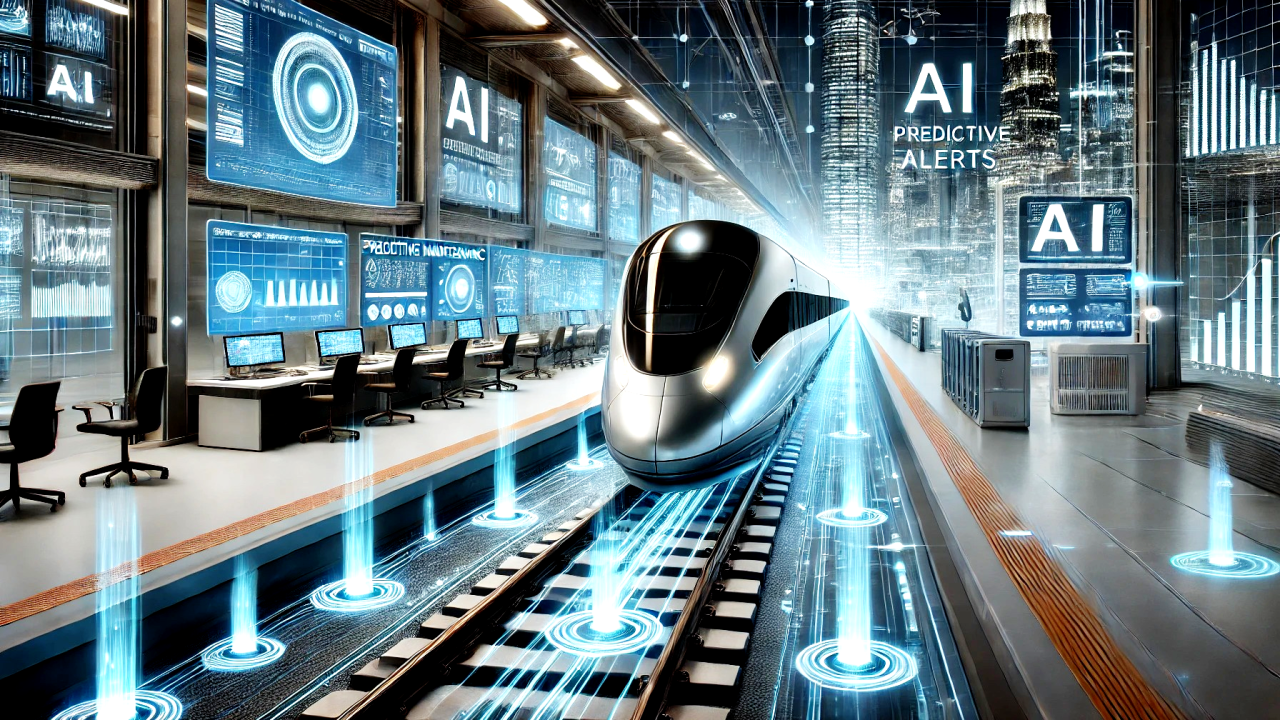
Hitachi has deployed an AI system with Daikin Industries that diagnoses faults in commercial air-conditioner manufacturing equipment using maintenance logs, manuals, and design drawings. With East Japan Railway, the company built an AI tool that identifies root causes in railway traffic control devices and assists operators in drafting response plans across Tokyo’s high-density network.
The strategy contrasts with model-centric approaches from firms like OpenAI and Google, while Nvidia focuses on development platforms and GPU infrastructure. Yanai told Nikkei that physical AI “cannot be implemented in society without a systematic understanding that begins with foundational knowledge of physics and industrial equipment,” framing safety and control logic as structural constraints rather than add-ons.
Safety mechanisms are embedded at multiple layers, including input validation, output verification, and real-time model monitoring to prevent deviations from approved parameters. Hitachi Vantara is pairing its iQ platform with Nvidia RTX PRO 6000 Blackwell Server Edition GPUs to build digital twins capable of simulating grid behavior and robotic motion at scale.
The broader contest in physical AI remains unsettled, but deployments in rail and manufacturing suggest domain expertise is becoming a competitive variable alongside model size. The next inflection point will hinge on whether IWIM progresses from verification to scaled infrastructure rollouts across energy and transport networks.



