

Hanwha Asset Management, which oversees 6.4 trillion won in assets, is building infrastructure for crypto staking exchange-traded products in South Korea. The move signals that one of the country’s largest asset managers is preparing for regulated exposure to on-chain yield.
The firm announced Monday a strategic partnership with the Jito Foundation to develop liquidity staking exchange-traded products tied to JitoSOL, a liquid staking token on the Solana blockchain. The collaboration will focus on technical integration, regulated custody validation, risk management frameworks, and coordination with local authorities. The goal is to structure compliant products for domestic investors.
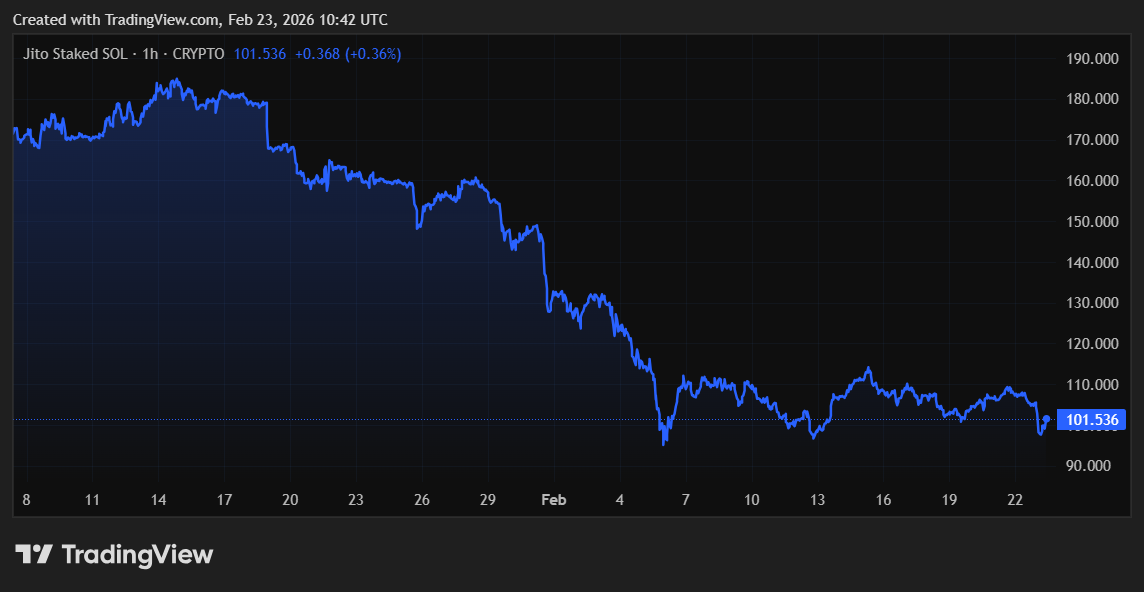
Can JitoSOL Fit Korea’s Emerging ETP Rules?
The initiative comes as South Korea drafts its Digital Asset Basic Act, legislation expected to formalize rules for digital asset issuance and exchange-traded products. However, disagreements over stablecoin issuer eligibility have delayed the bill beyond its original 2025 timeline. Regulators favor bank-exclusive licensing, while industry groups argue that approach could limit competition.
Globally, similar products are already live or pending. Last month, 21Shares launched the Jito Staked SOL ETP (JSOL) on Euronext, while VanEck filed an S-1 registration with the SEC (US) last August for a JitoSOL ETF that remains under review. The Korean effort mirrors these structures but must align with local custody and compliance standards.
“JitoSOL is an innovative asset that simultaneously provides high returns and liquidity,” said Choi Young-jin, vice president at Hanwha Asset Management.
He added that the token could serve as an alternative asset for retirement pension investors seeking portfolio diversification. A key design focus is JitoSOL’s dual yield model, which combines standard staking rewards with maximal extractable value rewards.
Still, legislative timing will determine product launch windows. Major financial institutions are already building technical and operational rails in anticipation of regulatory clarity. The next catalyst is progress on the Digital Asset Basic Act, particularly whether lawmakers resolve the stablecoin licensing dispute that has stalled broader crypto ETP approval.



