
A New Malware Campaign Is Secretly Mining Monero—and Your Device Could Be Next
A sophisticated malware strain known as H2Miner has reemerged, targeting a broad array of systems to covertly mine Monero (XMR). First spotted in 2019, this malicious botnet is now more advanced and aggressive, exploiting vulnerabilities in Linux servers, Windows machines, and cloud containers to hijack computing power.
Cybersecurity researchers are sounding the alarm as the updated malware spreads silently, siphoning off resources from unsuspecting users while generating profits for attackers.
How H2Miner Operates: Mining in the Shadows
According to researchers at Fortinet, H2Miner exploits known software flaws, including the widely publicized Log4Shell and Apache ActiveMQ vulnerabilities. Once it gains access, the malware deploys XMRig, a legitimate open-source application used for mining Monero. But instead of operating with permission, it runs silently in the background.
The result? Victims are unaware their systems are being drained to produce cryptocurrency.
What makes H2Miner especially effective is its ability to disable antivirus tools, kill off rival mining processes, and erase evidence of its presence. On Linux, it installs a recurring cron job that re-downloads the malware every 10 minutes. On Windows, it uses scheduled tasks that trigger every 15 minutes to ensure persistence.
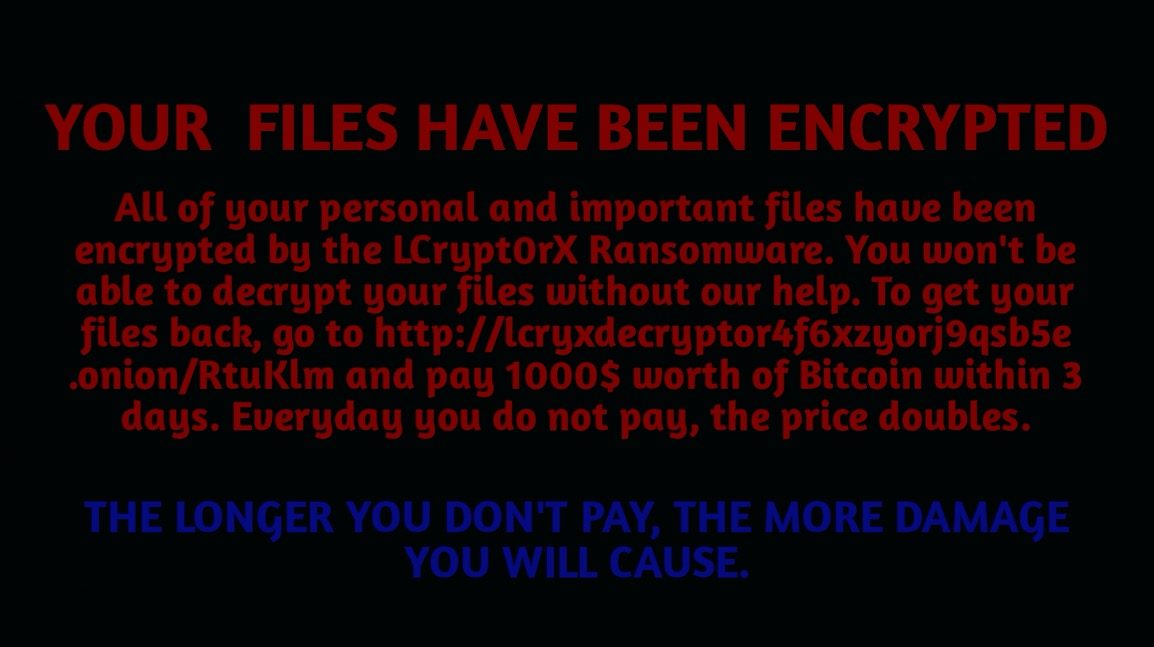
A New Ransomware Threat: Lcrypt0rx
The latest version of H2Miner doesn't stop at mining. It introduces a dangerous payload called Lcrypt0rx, a form of ransomware that takes attacks to a new level.
Lcrypt0rx works by overwriting the Master Boot Record (MBR)—the critical component that controls system startup. Once corrupted, affected devices may fail to boot entirely. The malware also adds fake system settings to help it remain hidden and re-execute upon reboot.
This twist makes H2Miner not just a resource drain, but a serious threat to operational continuity for businesses and individuals alike.
Spread and Targets: From Cloud to USB
H2Miner's design allows it to scale quickly. It scans for other vulnerable systems, especially Docker containers and cloud platforms like Alibaba Cloud, to expand its reach. Cheap cloud servers and misconfigured services are particularly at risk.
The malware also spreads through USB drives and aggressively terminates antivirus processes one by one to avoid detection.
Removing it isn’t simple. Experts say a complete system audit is often required. If even a single hidden script or scheduled task is left behind, the malware can reinstall itself and resume mining operations unnoticed.
What Crypto Users Need to Know
While this botnet doesn’t steal wallets or private keys, it exploits computing power to mint Monero for criminals—turning your system into a revenue stream for cybercrime.
Self-hosted nodes, unmanaged VPS services, and under-secured cloud environments are especially vulnerable. If your system suddenly runs hot or slows down without reason, it’s worth checking for suspicious processes like sysupdate.exe or unexpected network traffic.
Monero’s privacy-focused design makes it an appealing choice for attackers, as mined coins are difficult to trace. But for users, the bigger concern is the loss of system control and unknowingly contributing to illegal mining operations.



