

Goldman Sachs and BNY Mellon are bringing traditional finance one step closer to blockchain. On July 23, the two Wall Street powerhouses announced a partnership to tokenize money market funds—marking a milestone in how major financial institutions adopt digital infrastructure.
The collaboration will see BNY Mellon’s money market funds mirrored as digital tokens on Goldman Sachs’s private blockchain platform, GS DAP®. These tokenized shares are not replacing the traditional funds but will act as a parallel record—enhancing transparency, speed, and efficiency in financial operations.
A First for Institutional Finance
This initiative is the first time major institutions will be able to purchase tokenized shares in money market funds via blockchain, using BNY Mellon’s LiquidityDirect platform, a portal managing over $10 trillion in short-term investments annually.
BlackRock, Fidelity, and Federated Hermes are also onboard for the initial launch, showing early confidence from industry titans.
“As the financial system transitions toward a more digital, real-time architecture, BNY is committed to enabling scalable and secure solutions that shape the future of finance,” said Laide Majiyagbe, Global Head of Liquidity, Financing and Collateral at BNY Mellon.
Real-Time Collateral Through Tokenization
The big appeal? Instant collateralization and transferability.
Tokenized money market fund shares can be used in real-time as collateral for various financial transactions—a significant upgrade from traditional systems, which often face delays due to settlement cycles and clearing processes.
“Using tokens representing the value of shares of Money Market Funds on GS DAP® would enable us to unlock their utility as a form of collateral and open up more seamless transferability in the future,” said Mathew McDermott, Goldman Sachs’s Global Head of Digital Assets.
Why This Matters
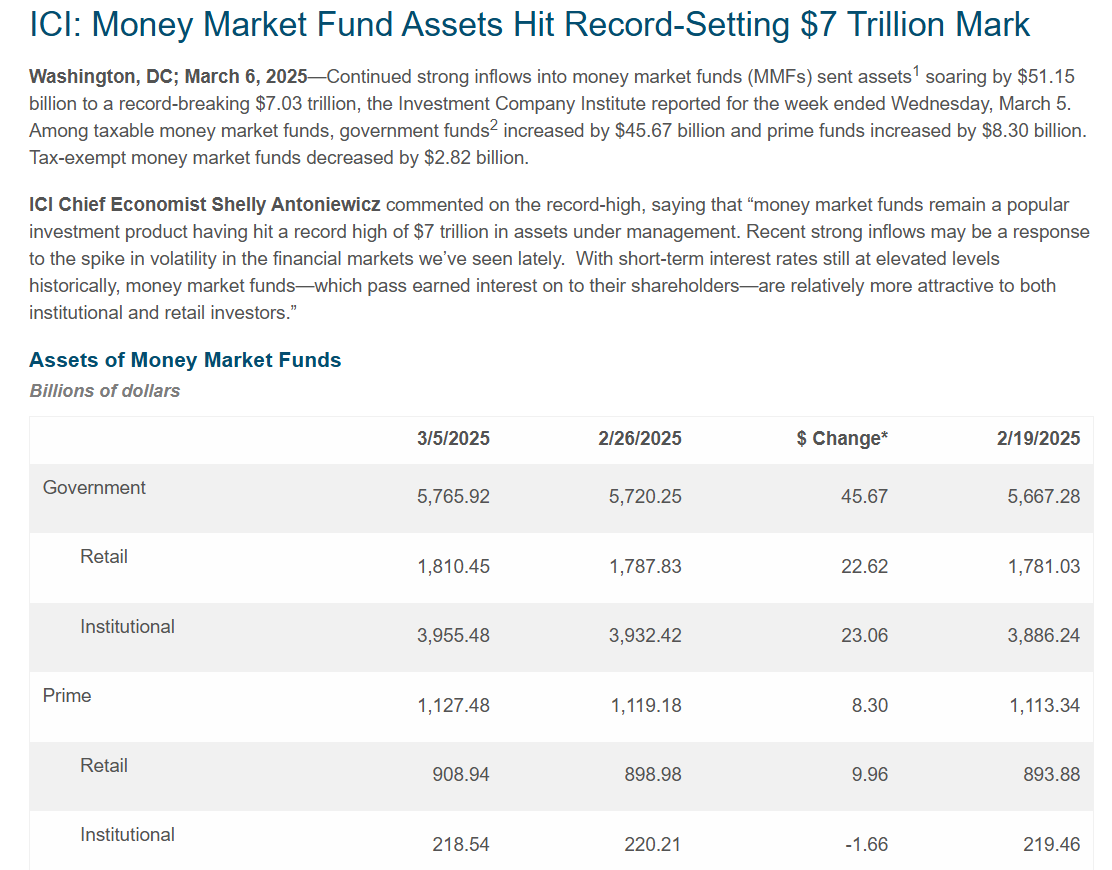
Money market funds are a massive asset class, valued at over $7 trillion globally. Tokenizing even a fraction of that market could dramatically reshape liquidity management, collateral usage, and trade execution in traditional finance.
This move by Goldman Sachs and BNY Mellon reflects a growing trend: traditional finance institutions are no longer sitting on the blockchain sidelines. They're building real-world applications that combine trusted financial products with the agility and efficiency of distributed ledger technology.



