
GENIUS Act Clears Congress, Paving Way for First Federal Crypto Law in the United States
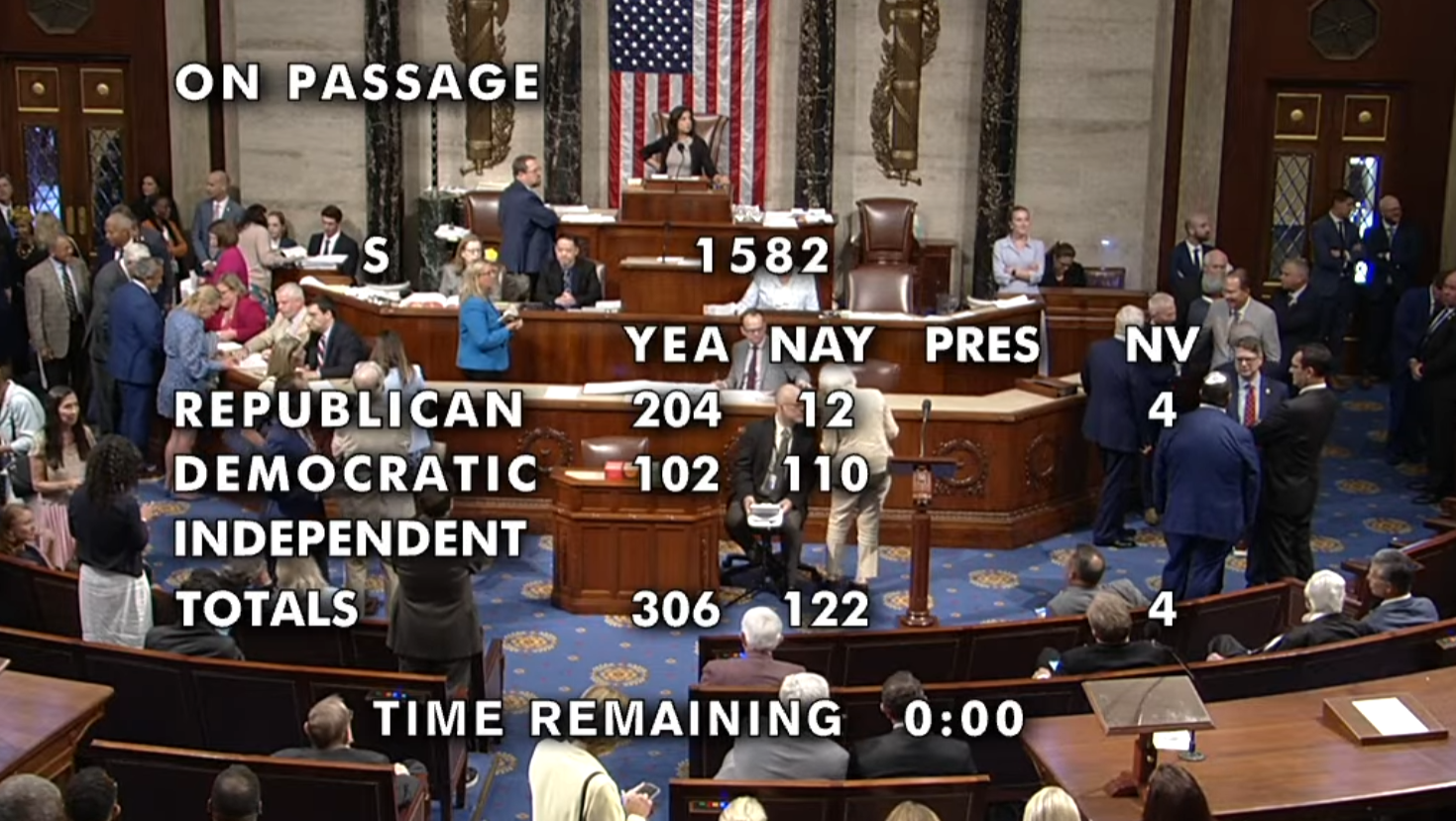
In a historic move for digital asset regulation, the U.S. House of Representatives has passed the GENIUS Act, making it the first piece of federal legislation to directly regulate cryptocurrency in the United States. With 306 votes in favor, the bill now heads to President Trump’s desk for final approval—a signature expected within hours.
Once signed, the law will lay the groundwork for a unified regulatory framework governing U.S. dollar-backed stablecoins, starting in 2026.
A Regulatory First for Crypto in America
The GENIUS Act—short for Guaranteeing Effective National Innovation in US (GENIUS) Payments—introduces comprehensive standards for stablecoin issuers. Key requirements include:
- 100% reserve backing for all issued stablecoins
- Regular third-party audits
- Mandatory registration with either federal or state regulators
- A ban on algorithmic stablecoins not backed by tangible assets
The bill also establishes a dual licensing structure, giving both federal and state authorities the power to oversee and approve stablecoin issuers. This model is designed to balance national oversight with local regulatory nuance.
How It Happened
The GENIUS Act had already cleared the Senate earlier this month. The House vote marks the final legislative hurdle after weeks of political wrangling. The bill passed alongside the CLARITY Act, with the Trump administration playing a key role in facilitating bipartisan consensus during negotiations.
With Trump’s signature expected today, attention now turns to implementation. Regulatory agencies such as the Federal Reserve and the Office of the Comptroller of the Currency (OCC) are set to begin rulemaking processes, giving issuers time to prepare for compliance ahead of the 2026 enforcement window.
What It Means for the Crypto Sector
For the digital asset industry, the GENIUS Act represents a turning point—finally providing legal clarity and a standardized framework for stablecoin development in the U.S.
Supporters argue that this regulatory clarity could accelerate institutional adoption and bring legitimacy to a sector often criticized for its lack of oversight.
“This is a foundational step in bridging traditional finance with blockchain innovation,” one industry analyst noted. “It gives regulated entities a framework to engage in the space with confidence.”
However, critics have raised concerns. Privacy advocates caution that increased oversight may lead to more aggressive surveillance of digital payments. Others worry the law may consolidate market power in the hands of large issuers like Circle, PayPal, and Tether, potentially squeezing out smaller, more innovative players.
What’s Next?
- President Trump is expected to sign the bill within hours.
- Implementation rules from U.S. regulators will roll out by 2026.
- Stablecoin issuers should begin preparing for compliance immediately.



