
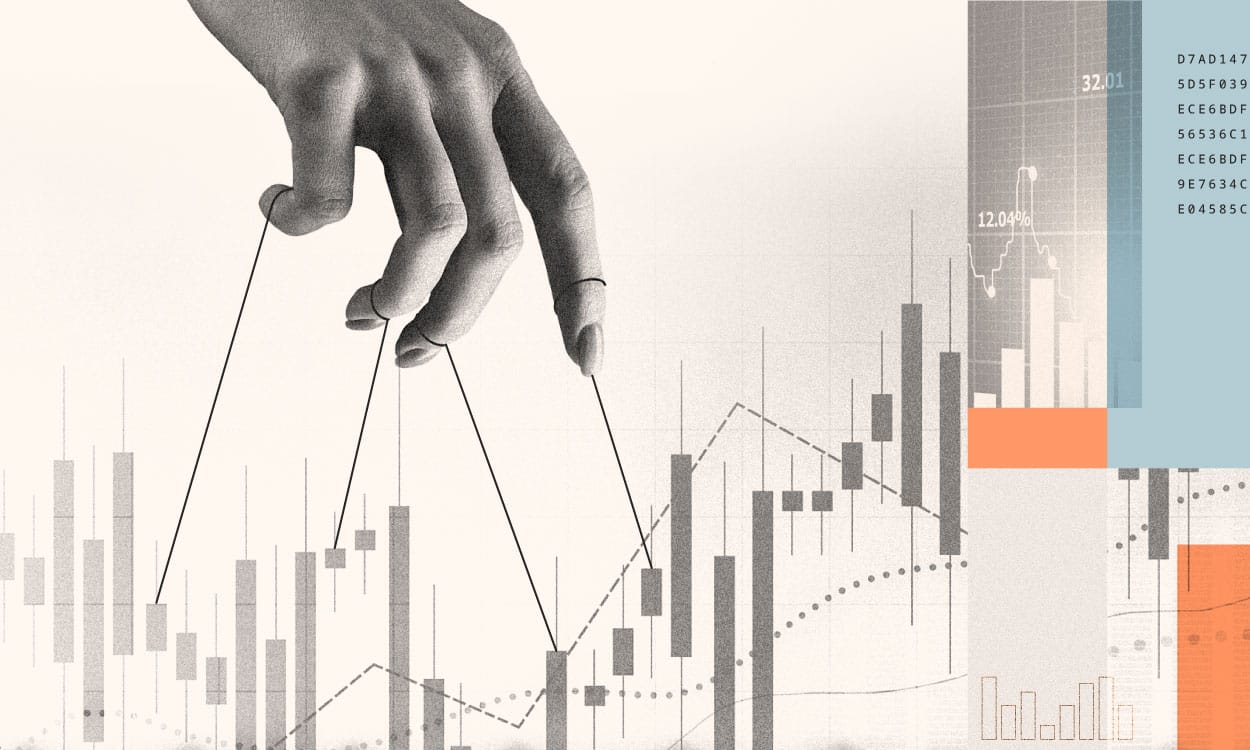
These schemes aren't just a part of the crypto wild west; they are calculated market manipulations designed to steal funds from unsuspecting investors. By understanding the mechanics behind these scams, you can protect your hard earned capital and trade with much more confidence.
The Lifecycle of a Pump and Dump
A pump and dump scheme follows a predictable, albeit devastating, script. It relies on a mix of technical manipulation and human psychology to succeed.
1. Finding the Perfect Target Scammers typically look for coins with a small market cap and low liquidity. These assets are easy to move because it doesn't take much money to significantly shift the price. Once they find a target, the organizers quietly accumulate a large amount of the coin at a low price.
2. The Pumping Phase This is where the hype begins. Scammers flood platforms like Telegram, Discord, and X with misleading information. They might fake partnerships, announce non-existent technological breakthroughs, or pay influencers to promote the coin. In 2026, we are even seeing the rise of AI-generated deepfakes used to create fake celebrity endorsements, making these scams harder to spot than ever.
3. The FOMO Hook As the price begins to climb due to the initial hype, the fear of missing out (FOMO) kicks in. Regular investors see the green candles on the chart and rush to buy, thinking they are catching a legitimate bull run. This influx of retail money is exactly what the scammers are waiting for.
4. The Final Dump When the price reaches a peak determined by the organizers, they sell everything. Because they hold such a large percentage of the supply, this massive sell-off causes the price to plummet instantly. The hype disappears, the social media accounts go dark, and the retail investors are left holding coins that are now effectively worthless.
Red Flags: How to Spot a Scam Before It's Too Late
While these schemes are elaborate, they usually leave a trail. Here are the most common warning signs:
- Unexplained Price Surges: If a coin jumps more than 80 percent in a day or two without any major news or fundamental development, be extremely cautious.
- Small Market Cap and Low Volume: If only a few people are trading a coin, it is much easier for a whale or a group of scammers to manipulate the price.
- Aggressive Influencer Hype: Be wary of accounts that suddenly start pushing an obscure coin. Always ask yourself why a fashion influencer or a gaming streamer is suddenly giving financial advice on a micro-cap token.
- Whale Manipulation Tactics: Watch for "spoofing" in the order book. This is where a large player places huge buy orders they never intend to fill, just to make it look like there is strong support for a coin.
Protecting Your Portfolio
The best defense against a pump and dump is a solid investment strategy. First, always do your own research (DYOR). Look at the project’s whitepaper, the team behind it, and its actual utility. If you can't find a clear reason for a price surge, there probably isn't one.
Diversification is another key tool. By spreading your investments across multiple established assets like BTC or ETH, you reduce the impact that a single scam can have on your total wealth. Finally, use reputable exchanges like Bitstamp by Robinhood, which implement strict listing requirements to keep many of these fraudulent coins off their platforms.
Legal Realities and the Risks of Participating
Participating in these schemes, even just as a follower, can have serious consequences. Regulatory bodies like the Securities and Exchange Commission (SEC) and the Department of Justice (DOJ) have ramped up their efforts in 2025 and 2026 to track down organizers and those who knowingly promote these scams.
Organizers can face criminal charges for wire fraud and market manipulation, resulting in millions of dollars in fines and even prison time. Furthermore, many modern regulations now include whistleblower rewards, encouraging insiders to report these groups for a percentage of the recovered funds.



