
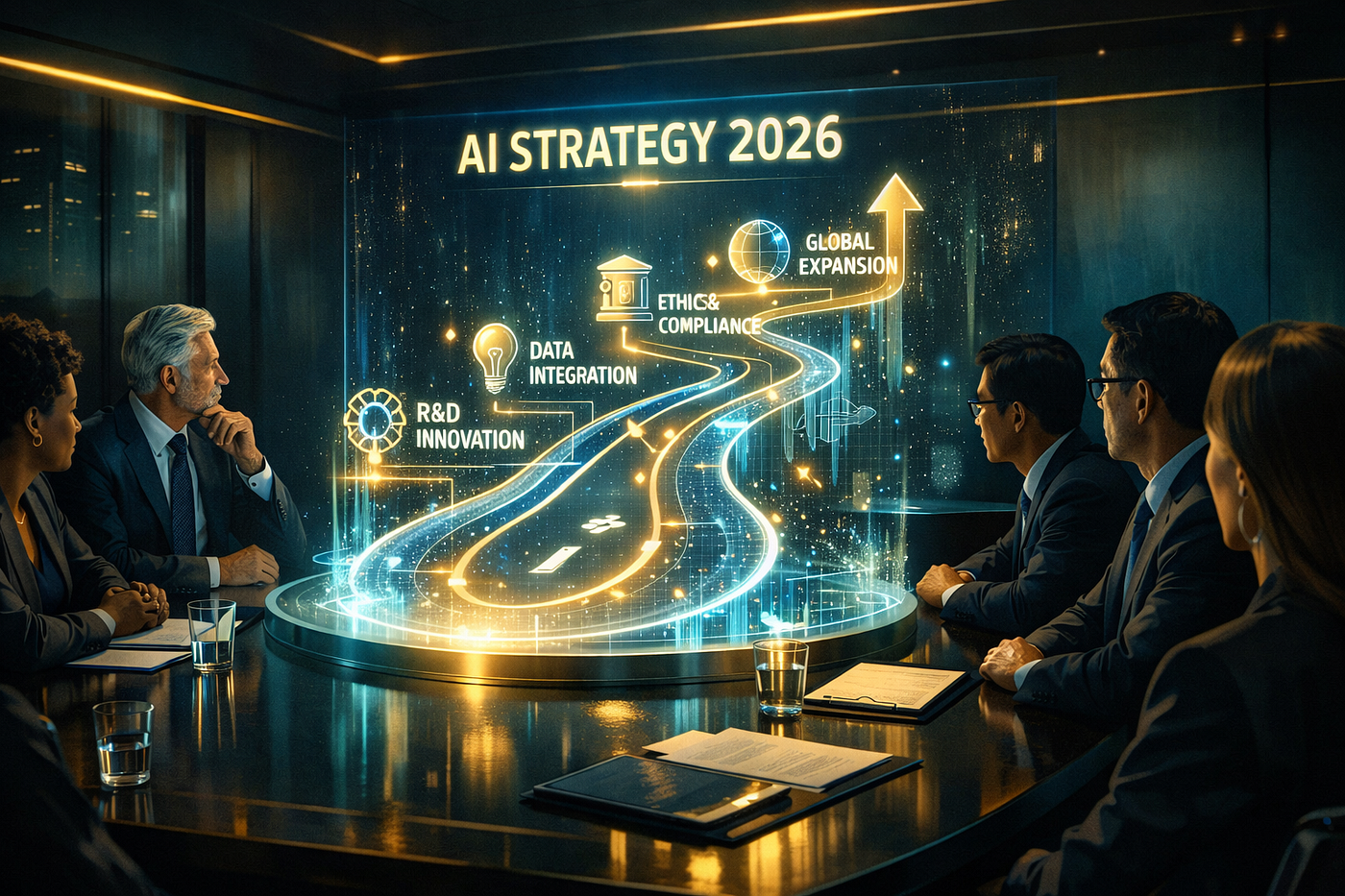
After dominating boardroom agendas and tech headlines throughout 2025, artificial intelligence is entering a more mature phase. For CIOs, 2026 is shaping up to be less about experimentation and more about intent. The excitement hasn’t disappeared, but the approach is changing. This year, the focus is on making AI work in practical, measurable ways.
Last year saw an explosion of AI copilots embedded into nearly every digital tool, from browsers and CRM systems to productivity apps and customer support platforms. Vendors promised effortless efficiency. CIOs, however, were left managing fragmented pilots, overlapping tools, and unclear returns. As the dust settles, many organisations are taking a step back to ask a harder question: what actually delivered value?
Moving Beyond Copilots to Process Intelligence
The limitations of AI copilots are now clearer. While helpful for individual tasks like summarising meetings or drafting emails, they rarely improved outcomes at an organisational level. Independent trials, including one conducted by the UK Department for Business and Trade, found little evidence of sustained productivity gains despite positive user feedback.
In response, CIOs are shifting attention from isolated tools to process intelligence. The priority is no longer assisting individuals, but improving entire workflows. By mapping processes end to end, leaders can identify real bottlenecks and apply AI where it can genuinely reduce friction, cut costs, or improve service delivery. This shift marks one of the most significant resets in enterprise AI thinking.
Simplifying the Tech Stack
Complexity has long been a challenge for IT leaders, and AI has only intensified it. Multiple platforms, loosely connected systems, and fragile integrations have made it harder to scale innovation. In 2026, simplification is becoming a strategic goal.
CIOs are increasingly favouring consolidated platforms and partners that demonstrate strong interoperability. Instead of accumulating tools, organisations are streamlining their stacks and investing in flexible platforms that can adapt as needs change. Procurement strategies are evolving too, with a greater emphasis on long-term value and collaboration rather than short-term feature gains.
Governance by Design, Not as an Afterthought
As AI becomes more embedded in daily operations, governance is moving to the forefront. CIOs are prioritising systems that include built-in controls from day one, covering auditability, data privacy, escalation paths, and human oversight.
Low-code platforms are playing a growing role here, allowing teams to innovate quickly while embedding safeguards into the development process. Rather than slowing progress, governance is becoming the foundation for trust, ensuring AI supports human judgement instead of replacing it.
Turning Insight Into Action
Prediction alone doesn’t change outcomes. CIOs are increasingly focused on what happens after AI identifies a pattern or risk. A widely cited example comes from Rotherham NHS Foundation Trust, where AI-driven insights were embedded directly into workflows. By triggering additional appointment reminders for at-risk patients, the Trust reduced missed visits by 67 percent.
The lesson is clear: AI delivers value when insights lead to timely action. In 2026, CIOs will expect AI systems to do more than analyse data. They must enable teams to respond effectively.
Proving Value With Evidence
The pressure to justify AI investments is growing. In 2025, many business cases relied on subjective measures like perceived time savings. That approach is losing credibility. This year, CIOs are expected to demonstrate clear cause and effect. What costs were avoided? What processes improved? What outcomes changed?
That means aligning technology with people and processes from the start. Detailed process mapping is becoming a blueprint for building applications that deliver results executives can see and measure.
A New Mandate for CIOs
As enterprises move past the AI honeymoon phase, the CIO’s role is evolving. In 2026, success will be defined by outcome-led leadership. The most effective CIOs won’t chase trends. They’ll ask tough questions, demand evidence, and focus on building systems that are scalable, governed, and aligned with real business needs.



