
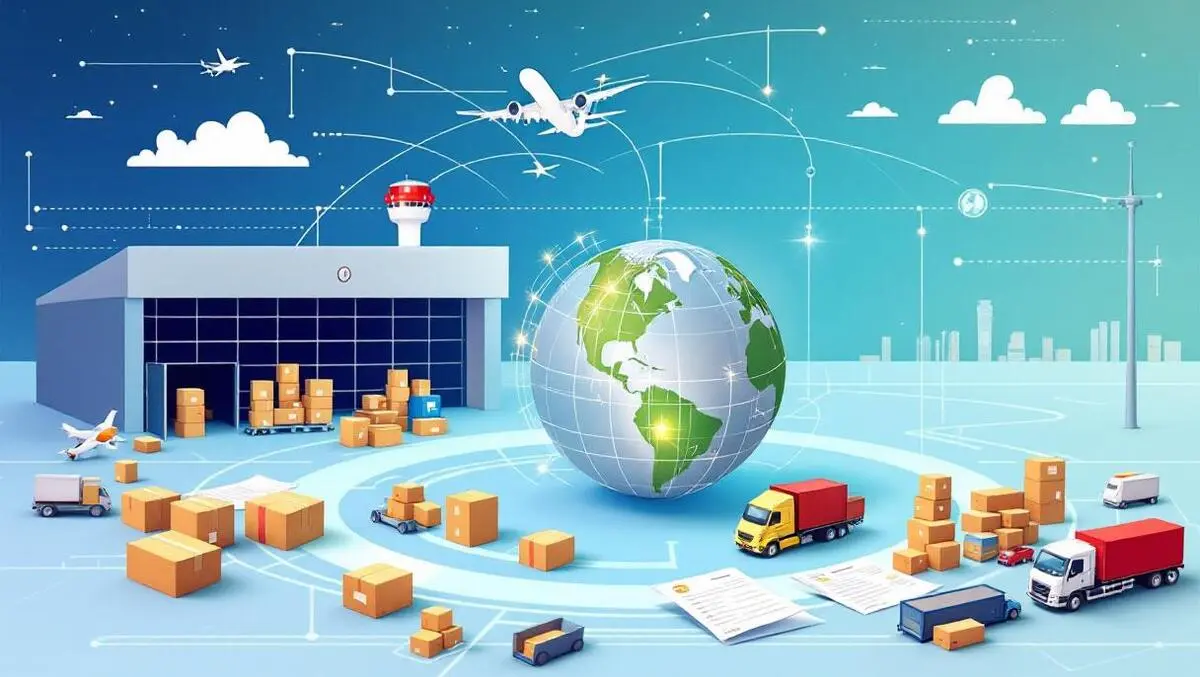
FedEx is stepping up its use of artificial intelligence to tackle two of the most complex challenges in modern logistics: real-time package tracking and efficient returns management. The initiative, reported by PYMNTS, focuses on large enterprise shippers that move high volumes of goods and need more visibility, predictability, and control across increasingly complex supply chains.
As customer expectations rise, tracking no longer ends when a shipment leaves the warehouse. Businesses are expected to provide accurate updates, flexible delivery options, and smooth returns that do not overwhelm support teams or disrupt operations. That pressure is pushing logistics providers like FedEx to rethink how these processes work at scale.
Rather than introducing flashy consumer-facing tools, FedEx is applying AI behind the scenes. The goal is to automate routine decisions, flag potential problems earlier, and reduce the manual effort required to manage exceptions.
How AI is changing package tracking
Traditional tracking systems focus on location and estimated delivery time. FedEx’s AI-powered approach aims to go further by analyzing historical delivery data, traffic patterns, weather conditions, and network constraints to predict issues before they occur.
According to the PYMNTS report, these tools are designed to alert enterprise shippers to potential delays earlier in the delivery cycle. Instead of reacting after a missed delivery window, businesses may be able to reroute packages, adjust delivery plans, or notify customers in advance.
For companies shipping thousands of parcels each day, even small improvements in prediction accuracy can have a measurable impact. Fewer unexpected delays can mean lower call volumes to customer support, reduced refund requests, and stronger customer confidence. Industries such as retail, healthcare, and manufacturing, where timing and reliability are critical, stand to benefit the most.
This approach also reflects a broader trend in enterprise software. AI is increasingly being embedded into existing systems rather than deployed as standalone products. The focus is on supporting logistics teams by reducing the number of manual decisions they need to make, not replacing them.
Treating returns as an operational challenge
Returns are one of the most expensive and disruptive aspects of logistics, especially for enterprise shippers in e-commerce. Beyond customer satisfaction, returns affect warehouse capacity, inventory accuracy, and transportation planning.
FedEx’s AI-enabled returns tools are designed to automate parts of this process, including return label creation, routing decisions, and shipment status updates. By learning from past return patterns, AI systems can help determine the most efficient path for a returned item and reduce the risk of sending it to the wrong facility.
This is less about convenience and more about operational consistency. Returns that stall or move through incorrect channels create delays and add costs across the supply chain. Automating these decisions helps standardize processes that were previously handled on a case-by-case basis.
For enterprise customers, automation also supports scale. Return volumes can spike during peak seasons or promotional periods. Systems that adapt automatically reduce the need for temporary staffing and minimize last-minute manual interventions.
What FedEx’s approach says about enterprise AI adoption
One notable aspect of FedEx’s strategy is its narrow focus. The company is not positioning AI as a sweeping transformation of logistics. Instead, it is targeting specific processes where results can be measured, such as fewer delivery exceptions and lower return handling costs.
This mirrors how other large organizations are rolling out AI internally. In a separate example, Microsoft has described deploying AI tools gradually, with clear governance rules and feedback loops. While Microsoft’s focus was on knowledge work and FedEx’s is on logistics operations, the underlying lesson is similar. AI tends to deliver the most value when applied to defined tasks rather than broad promises of efficiency.
 Keith Boyd
For logistics providers, those gains include better coordination with enterprise clients, improved predictability, and reduced friction in day-to-day operations.
What this means for enterprise customers
For businesses that rely on FedEx and other major carriers, this move signals a deeper investment in AI to support more complex shipping demands. As supply chains become more distributed and global, maintaining visibility without automation becomes increasingly difficult.
AI-driven tracking and returns management could also reshape how companies evaluate logistics performance. Instead of focusing solely on delivery speed, businesses may place greater emphasis on how quickly issues are identified and resolved.
That shift could influence procurement decisions, service-level agreements, and contract negotiations. Enterprise customers may begin asking not just where a shipment is, but how effectively a logistics partner anticipates and manages potential problems.
A quieter phase of AI integration
FedEx’s plans reflect a more mature phase of enterprise AI adoption. The emphasis is on integration rather than experimentation, and on reducing operational noise rather than creating new touchpoints for customers.
These systems are designed to stay in the background, improving reliability in areas that only attract attention when something goes wrong. For enterprise shippers navigating complex supply chains, that kind of steady, predictable improvement may be exactly what they are looking for.



