
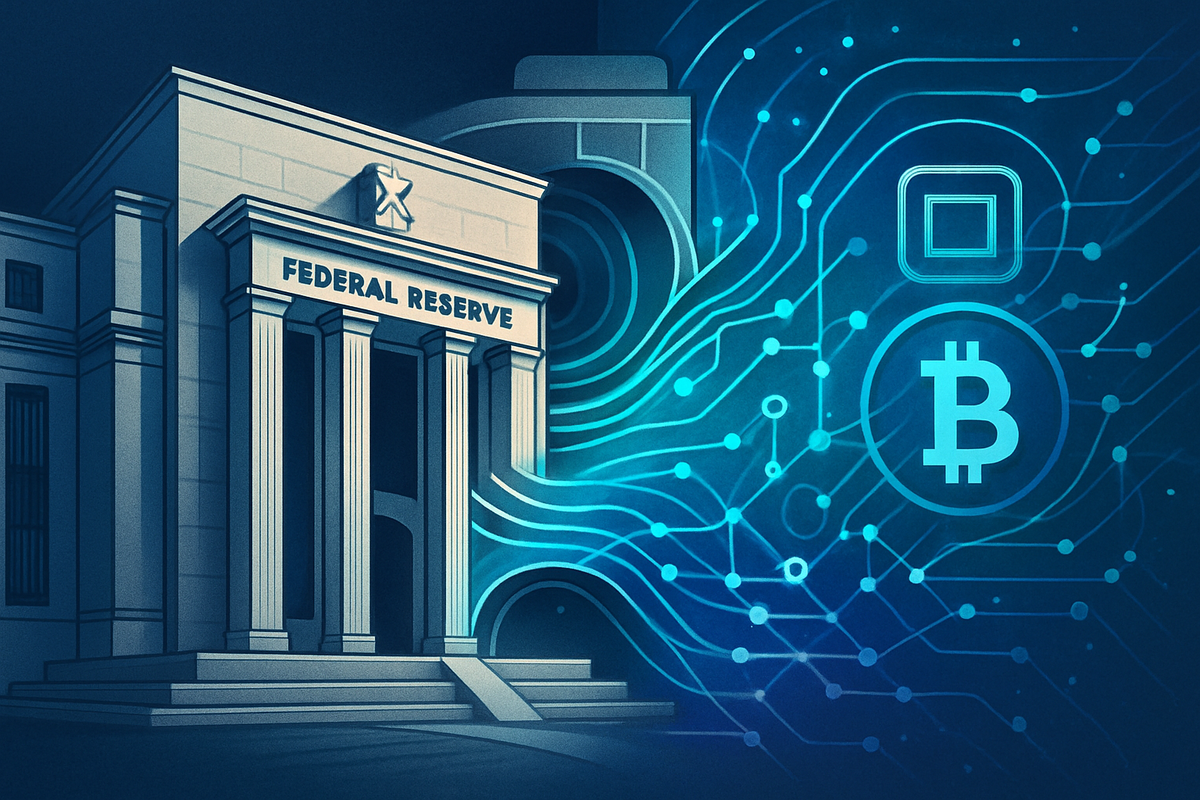
The Federal Reserve expects to introduce a new, limited form of access to its payment systems by the end of this year, even as broader efforts to regulate the cryptocurrency industry remain stalled in Washington.
Federal Reserve Governor Christopher Waller said Monday that the central bank is moving ahead with its proposal for so-called “skinny master accounts,” a scaled-back version of the traditional accounts financial institutions use to connect directly with the Fed. He spoke at an event hosted by the Global Interdependence Center, outlining a timeline that aims for completion before year’s end.
A standard Fed master account allows institutions to settle payments, earn interest on balances, and borrow through the Fed’s discount window. The proposed “skinny” version would be more limited. Institutions would not earn interest on balances and would be barred from accessing emergency borrowing facilities, among other restrictions. The goal, Waller suggested, is to provide narrower access without extending the full benefits of a traditional master account.
The proposal has drawn strong and sometimes conflicting responses. Public comments were due Friday, highlighting divisions between crypto-focused firms seeking greater access to the U.S. payment system and community banks that worry such access could create uneven competition or new risks.
“We’ll have to work through that,” Waller said, adding that he would like to see the framework finalized by the end of the year if those issues can be resolved.
The Fed’s work on digital asset-related policy continues against a backdrop of uncertainty on Capitol Hill. Lawmakers have spent months trying to pass a comprehensive crypto market structure bill, often referred to as “Clarity,” which would establish rules for exchanges, decentralized finance platforms, and stablecoin issuers. It would also define how oversight is divided between the Securities and Exchange Commission and the Commodity Futures Trading Commission.
Progress has been uneven. While the Senate Agriculture Committee advanced its version of the bill last month, it did so without Democratic support, citing concerns about ethics and former President Donald Trump’s connections to crypto ventures. Meanwhile, the Senate Banking Committee abruptly canceled a planned vote on its draft after Coinbase withdrew support over disagreements related to stablecoin rewards.
“Clarity seems to be sort of stalled in Congress,” Waller said, noting that lawmakers have struggled to bridge disagreements needed to move the legislation forward.
The lack of regulatory certainty has coincided with a cooling crypto market. Waller pointed to what he described as earlier “euphoria” tied to political developments that has since faded. Major digital assets have retreated from recent highs, reminding investors of the sector’s volatility.
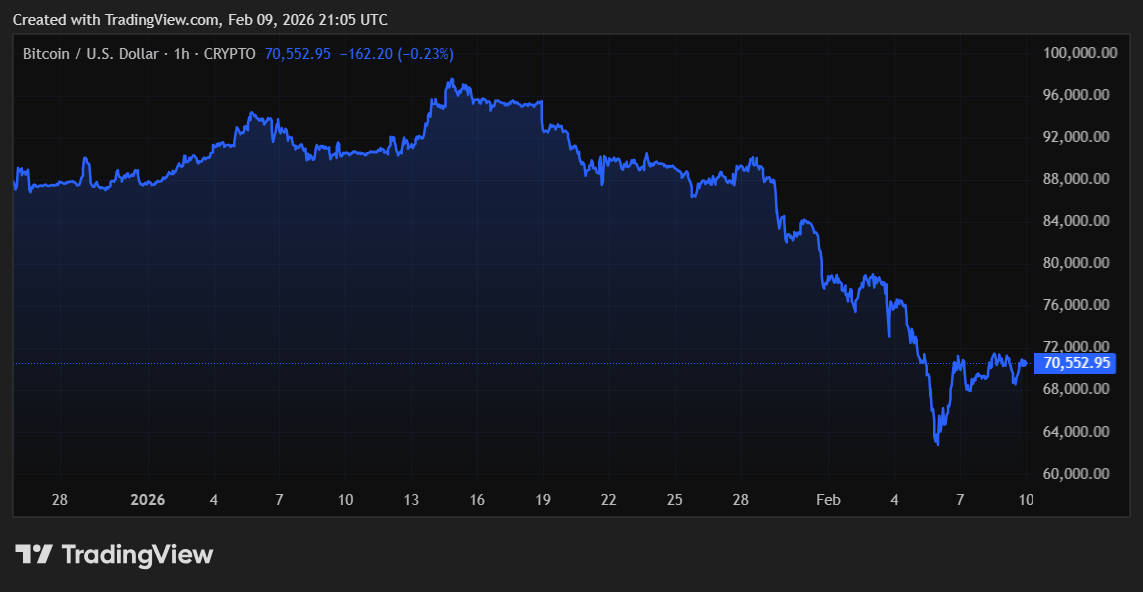
Bitcoin, which reached a peak of just over $126,000 last year, has since fallen to around $70,000, according to market data.
Waller framed the price swings as part of the broader reality of speculative markets.
“You get in, you make some money, you might lose some money,” he said. “That’s the nature of the beast.”
As Congress debates the future of crypto oversight, the Federal Reserve appears set to take smaller, more targeted steps. The rollout of “skinny master accounts” would mark one of the most concrete policy moves this year, offering limited system access while the larger regulatory picture remains unresolved.



