

The idea that Federal Reserve rate cuts automatically fuel crypto bull runs might be due for a rethink.
Yes, lower interest rates typically make borrowing cheaper and risk assets—like Bitcoin—more appealing. But zooming out, the timing of these cuts often tells a deeper story: they usually mark the beginning of economic downturns, not the end.
Rate Cuts ≠ Market Party
Over the past few decades, major rate-cutting cycles have closely aligned with recessions. Think 2001, 2008, and 2020. In each of these cases, the Fed began slashing rates after key warning signs started flashing—unemployment ticking up, consumer confidence dipping, or growth stalling.
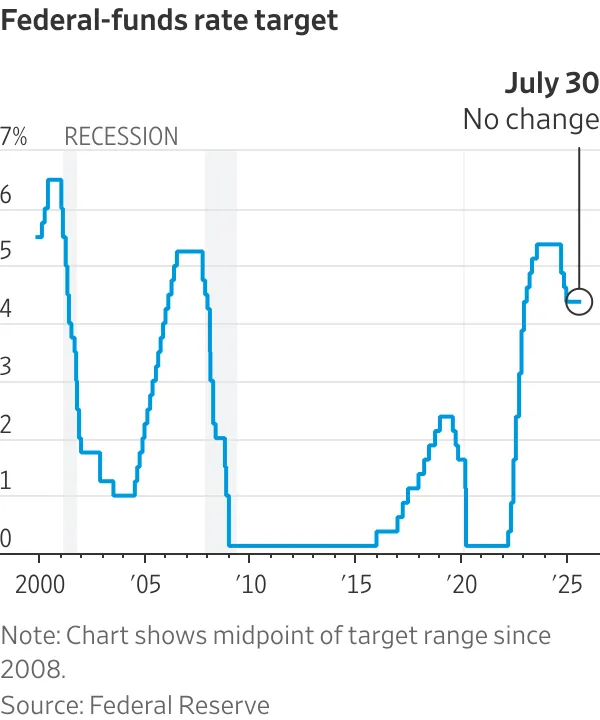
So when investors cheer a potential rate cut, they might actually be applauding an early recession signal.
“If rate cuts are good, why do recessions follow?” asked investor John Smith on X.
It’s a fair question. And one that macro analysts are tackling head-on.
The AI-Fueled Rally Feels Familiar
Right now, the S&P 500 and tech stocks are surging—echoing patterns we saw just before the dot-com bust. AI hype is driving valuations, but some see froth, not fundamentals.
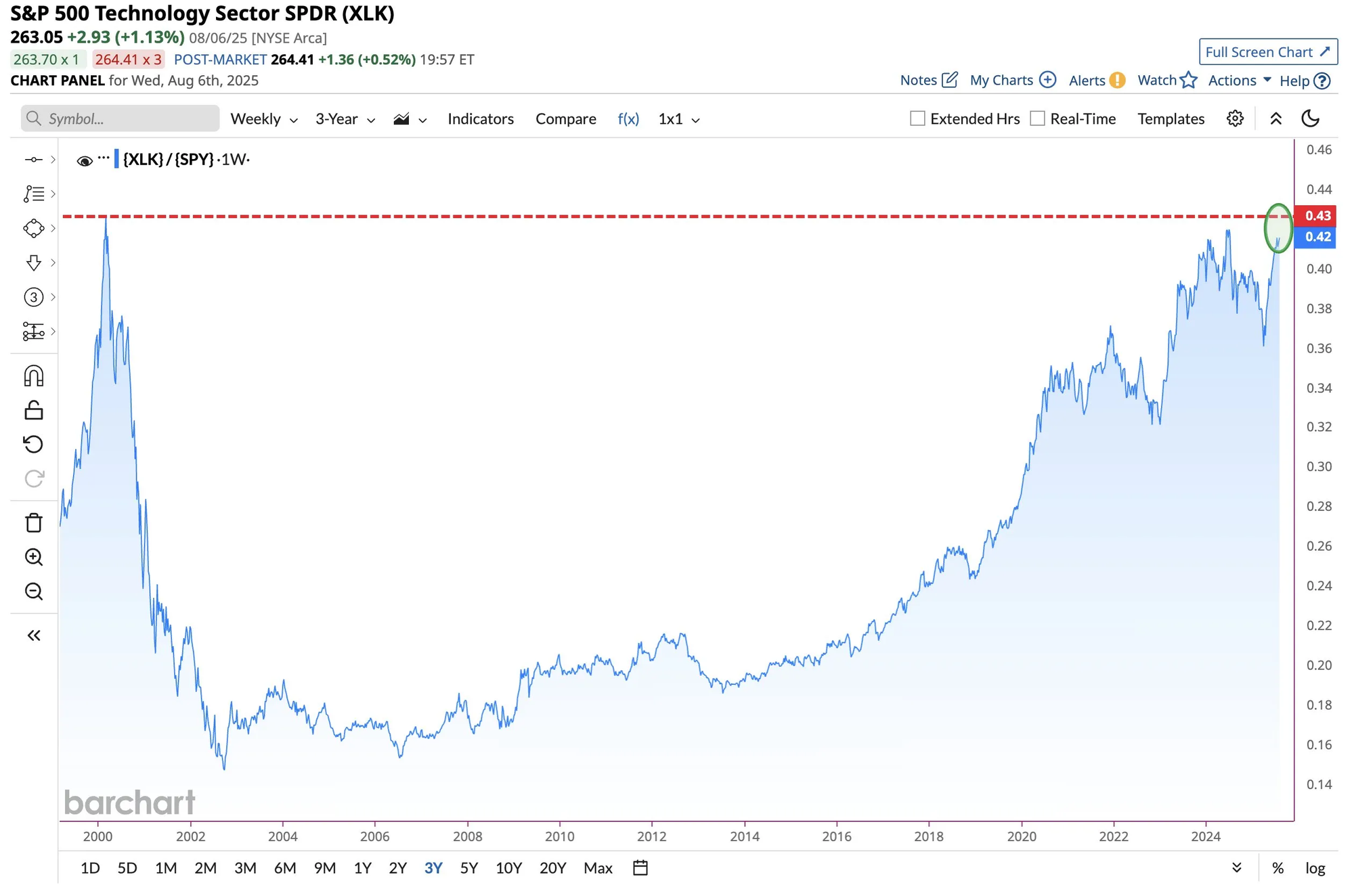
Guilherme Tavares, CEO of i3 Invest, believes many investors are riding the wave blindly: “Long-term holding strategies during this kind of euphoria could backfire,” he warned.
The Fed Pivot: A Double-Edged Sword
Economist Henrik Zeberg of Swissblock argues that rate cuts don’t always mean relief—they often mean response. According to his team’s models, recessionary signals have been building since late 2024.
Foreword: August 2025 Zeberg Letter
— Henrik Zeberg (@HenrikZeberg) August 5, 2025
"The Illusion of strong Labor Market was shattered by Friday's NFP Report. It is time to prepare"
(Henrik Zeberg, August 1st)
Get the FULL REPORT BY SIGNING UP HERE:https://t.co/HPVoam0nTs
Here are the forewords:
A Turning Point in Labor…
Job market deterioration, a classic canary in the coal mine, is already unfolding. Zeberg doesn’t think the Fed is acting to prevent a crisis—it’s reacting to one that’s already gaining momentum.
In this context, the so-called “Fed pivot” might give markets one last sugar rush before the real crash hits.
“We’re watching end-of-cycle euphoria,” Zeberg said. “It’s like a final adrenaline hit before the downturn.”
And his final prediction? The next crash could rival the Great Depression of the 1930s in its scope.
A Fed rate cut isn’t an all-clear signal—it might be the storm warning. Crypto traders banking on easy money should consider the bigger macro picture.
Let me know if you'd like internal linking suggestions or formatting this piece into WordPress/Markdown.



