
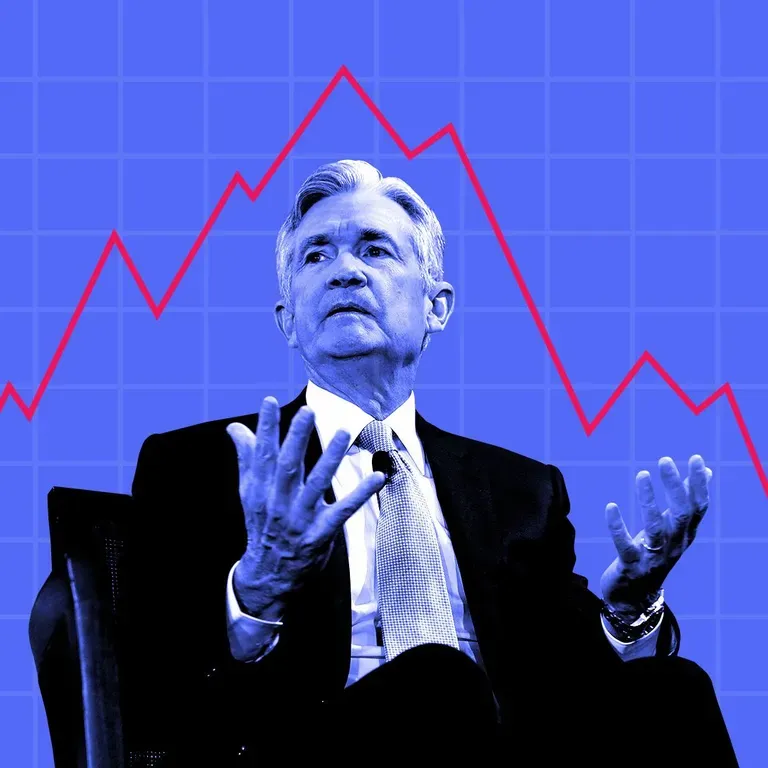
The U.S. Federal Reserve opted to leave interest rates unchanged on Wednesday, keeping its benchmark range at 4.25% to 4.5%, as fresh data suggests the economy is beginning to lose steam. While the decision was largely anticipated by economists and investors, the central bank’s more cautious tone on growth signals that discussions around potential rate cuts may be on the horizon.
In its post-meeting statement, the Fed acknowledged that "growth of economic activity moderated in the first half of the year," softening its earlier view that economic conditions had been “solid.” Fed Chair Jerome Powell pointed to a slowdown in consumer spending as a key factor but refrained from outlining any definitive policy changes ahead of the central bank's September meeting.
“We have made no decisions about September,” Powell stated during a press conference, adding that the current rate environment continues to be effective in managing inflation and overall economic stability.
In a notable development, two members of the Fed’s Board of Governors—Christopher Waller and Michelle Bowman—broke ranks by voting for a 0.25 percentage point rate cut. This marked the first split vote on a Fed decision since 1993, adding a layer of complexity to future policy expectations.
Although inflation has shown signs of easing for five consecutive months, certain sectors—particularly electronics and clothing—continue to experience price pressures linked to ongoing tariffs. At the same time, the U.S. unemployment rate dipped slightly to 4.1%, influenced in part by reduced immigration, which has tightened labor supply.
For now, the Fed appears to be taking a cautious, data-driven approach. Most policymakers are in a holding pattern, closely monitoring the delayed effects of previous rate hikes and trade-related inflation before making their next move. According to market forecasts, there’s about a 60% chance of a rate cut in September.



