
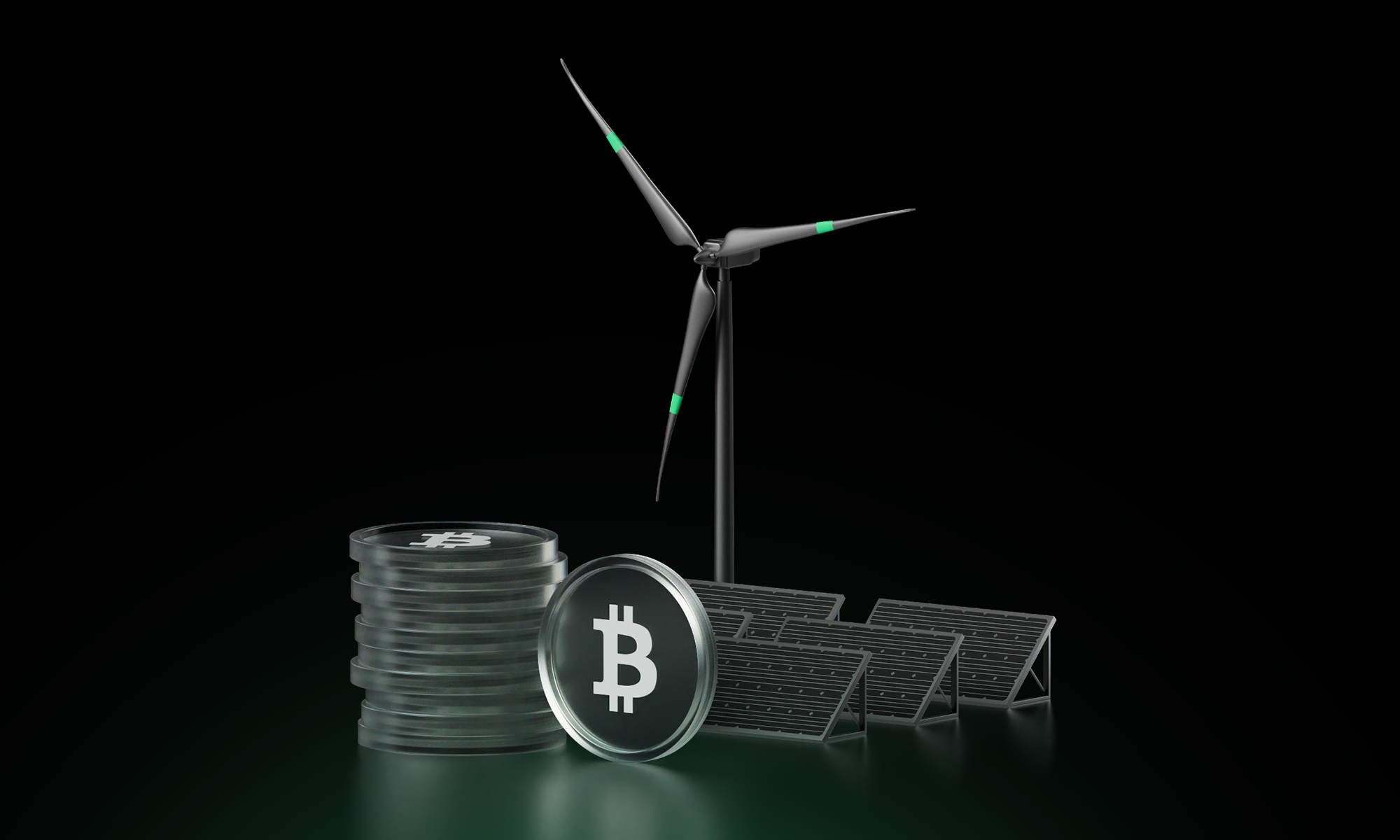
One of the loudest criticisms you’ll hear about Bitcoin is that it is an energy hog. Critics point to its massive electricity consumption as a flaw, a wasteful side effect of a digital currency.
But here is the counter-intuitive reality: Bitcoin’s energy use is not a bug; it is a feature.
That massive expenditure of power is the digital "wall" that protects the network. It is what makes Bitcoin the most secure, decentralized computer network in the world. However, the story of where that energy comes from-and how it compares to the traditional industries it aims to replace-is far more complex than the headlines suggest.
Why Does Digital Money Need Physical Power?
To understand the energy bill, you have to understand the security model.
Bitcoin runs on a consensus mechanism called Proof of Work (PoW). In this system, "miners" (specialized computers) compete to solve complex mathematical puzzles. The first one to solve the puzzle gets to add a new block of transactions to the blockchain and is rewarded with new Bitcoin.
Think of this energy usage as digital collateral.
- In Proof of Stake networks (like Ethereum), validators lock up money (tokens) to secure the network.
- In Proof of Work networks (like Bitcoin), miners lock up energy.
If a miner tries to cheat or attack the network, they waste real-world money on electricity without getting the reward. This physical cost is the deterrent that keeps the system honest without a central bank or government overseer.
Just How Much Power Are We Talking About?
There is no getting around it: the numbers are big.
Because the network is decentralized, exact figures are hard to pin down, but organizations like the Cambridge Centre for Alternative Finance track it closely. As of 2024 and heading into 2025, estimates suggest the Bitcoin network consumes between 138 and 167 terawatt-hours (TWh) of electricity annually.
To put that in perspective:
- Country Comparison: Bitcoin consumes roughly the same amount of power as countries like Ukraine, Thailand, or the Netherlands.
- Global Context: This represents approximately 0.5% of the world's total electricity consumption.
However, raw energy usage is only half the story. The more important question is: how dirty is that energy?
The Green Pivot: Why Miners Love Renewables
You might assume that more energy equals more pollution, but Bitcoin mining has a unique economic incentive structure that is surprisingly friendly to renewables.
Miners are profit-seeking businesses. Their biggest recurring cost is electricity. Therefore, they are ruthlessly incentivized to find the cheapest power sources on earth. Increasingly, the cheapest energy is renewable energy (solar, wind, hydro) that is located in remote areas where there is no one else to buy it.
- The Sustainable Mix: Recent 2024 reports indicate that Bitcoin is becoming greener. Research from the Cambridge Centre for Alternative Finance and others suggests that over 50% of Bitcoin’s energy mix now comes from sustainable sources.
- Stranded Energy: Renewable sources like wind and solar are intermittent-the wind blows and the sun shines even when the grid doesn't need the power. In places like West Texas, energy prices can sometimes turn negative because there is too much supply. Bitcoin miners act as "energy scavengers," setting up shop right next to these renewable plants to monetize this wasted, "stranded" energy.
Comparison: Bitcoin vs. The Banks
Is Bitcoin's energy use "worth it"? That depends on what you compare it to.
If you compare Bitcoin to a single Visa transaction, Bitcoin looks incredibly inefficient. But that is an apples-to-oranges comparison. Visa is a payment processor; Bitcoin is a complete, self-contained monetary settlement layer and currency system.
A fairer comparison is against the industries Bitcoin seeks to replace or complement: Gold mining and Traditional Banking.
- Traditional Banking: When you factor in the millions of physical branches, data centers, ATMs, office buildings, and employee commutes, estimates from Galaxy Digital suggest the traditional banking system consumes more than 260 TWh annually-nearly double that of Bitcoin.
- Gold Mining: The physical extraction of gold is estimated to consume around 240 TWh annually, also significantly overshadowing Bitcoin.
The Trade-Off: Utility vs. Cost
Ultimately, the debate over Bitcoin’s energy comes down to a subjective question: Is financial freedom a valid use of energy?
We rarely question the massive energy footprint of Christmas lights, tumble dryers, or the global gaming industry because we accept their utility. For millions of people-human rights activists in authoritarian regimes, citizens in hyper-inflationary economies, and the unbanked-Bitcoin provides an essential service: a censorship-resistant financial lifeline.
For these users, the energy consumed to secure the network isn't waste; it's the cost of freedom.
Bitcoin Energy Essentials
- Proof of Work: Bitcoin uses energy to secure its network. This physical cost prevents spam and attacks.
- The Scale: The network uses about as much electricity annually as a mid-sized nation like the Netherlands (approx. 140-160 TWh).
- The Mix: Because miners hunt for the cheapest power, over 50% of Bitcoin mining is now powered by sustainable sources.
- The Context: While high, Bitcoin's energy footprint is significantly lower than that of the traditional banking system or the gold mining industry.



