

Lower global interest rates could fuel the next wave of decentralized finance (DeFi) growth, according to Aave founder and CEO Stani Kulechov. Speaking at the Token2049 conference in Singapore, Kulechov said monetary easing by central banks may set the stage for another “DeFi summer,” echoing the explosive growth the industry saw in 2020.
“I think every single rate cut by a central bank, whether it’s by the Fed or ECB, is basically additional arbitrage for these DeFi yields,” Kulechov explained. “As rates are gonna go down, we’re gonna see a really good bull market for DeFi yield.”
Rate Cuts Could Boost DeFi Yields
Last month, the U.S. Federal Reserve lowered its benchmark interest rate by 25 basis points to a range of 4% to 4.25%, with two more cuts signaled before the end of 2025. President Donald Trump has also advocated for deeper reductions in borrowing costs to support growth.
Kulechov suggested that these monetary shifts could provide investors worldwide with access to “really compelling” yields through DeFi platforms, making decentralized lending and borrowing attractive on a global scale.
Lessons from the First ‘DeFi Summer’
The Aave founder drew parallels with the first “DeFi summer” in 2020, when the sector’s total value locked (TVL) surged from under $1 billion to over $10 billion within months. That early boom, he said, was fueled in part by the near-zero interest rate environment during the COVID-19 pandemic.
“Now, we’ve built this really amazing DeFi infrastructure,” Kulechov said. “And we’re gonna go to a phase where DeFi actually can be embedded into the broader financial and fintech system and distribute yields.”
Tokenization and Institutional Growth
Kulechov also highlighted the growing role of tokenized assets in DeFi’s future, predicting that regulatory clarity will open the door to wider adoption.
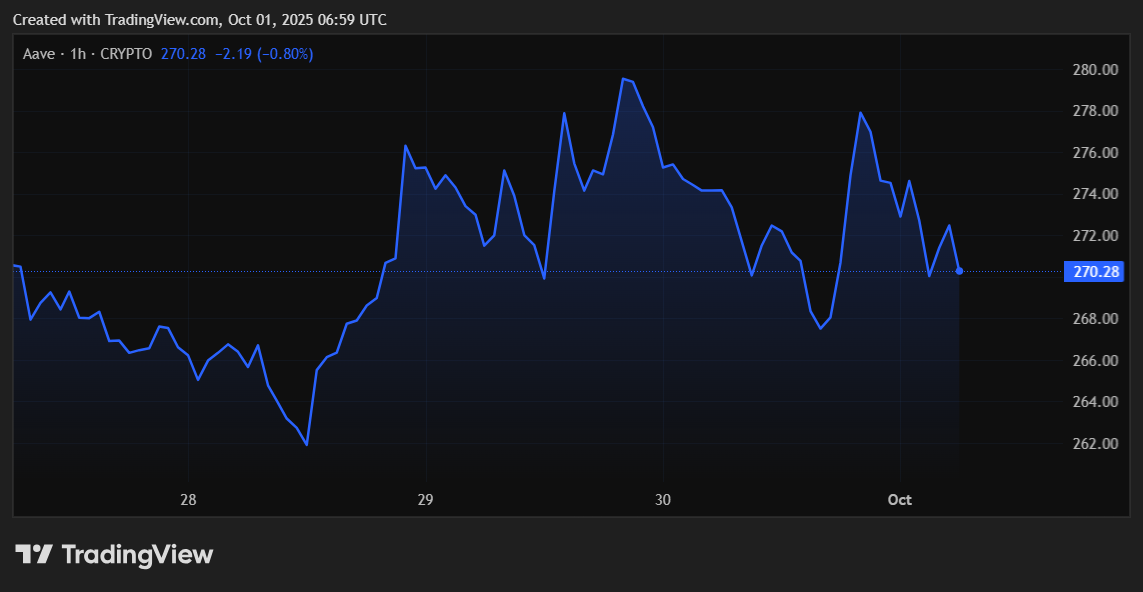
Meanwhile, Aave itself has seen rapid growth in 2025. Its TVL has more than doubled from about $21 billion to $43.4 billion, according to DefiLlama. The protocol generated over $99 million in fees in the past 30 days, ranking it the sixth-largest DeFi platform by fee revenue.
Industry observers note that this growth reflects the sector’s broader transition from experimental technology to functional financial infrastructure. Decentralized lending is increasingly serving as a bridge between traditional finance and digital assets, blending familiar financial services with enhanced transparency and global accessibility.



