
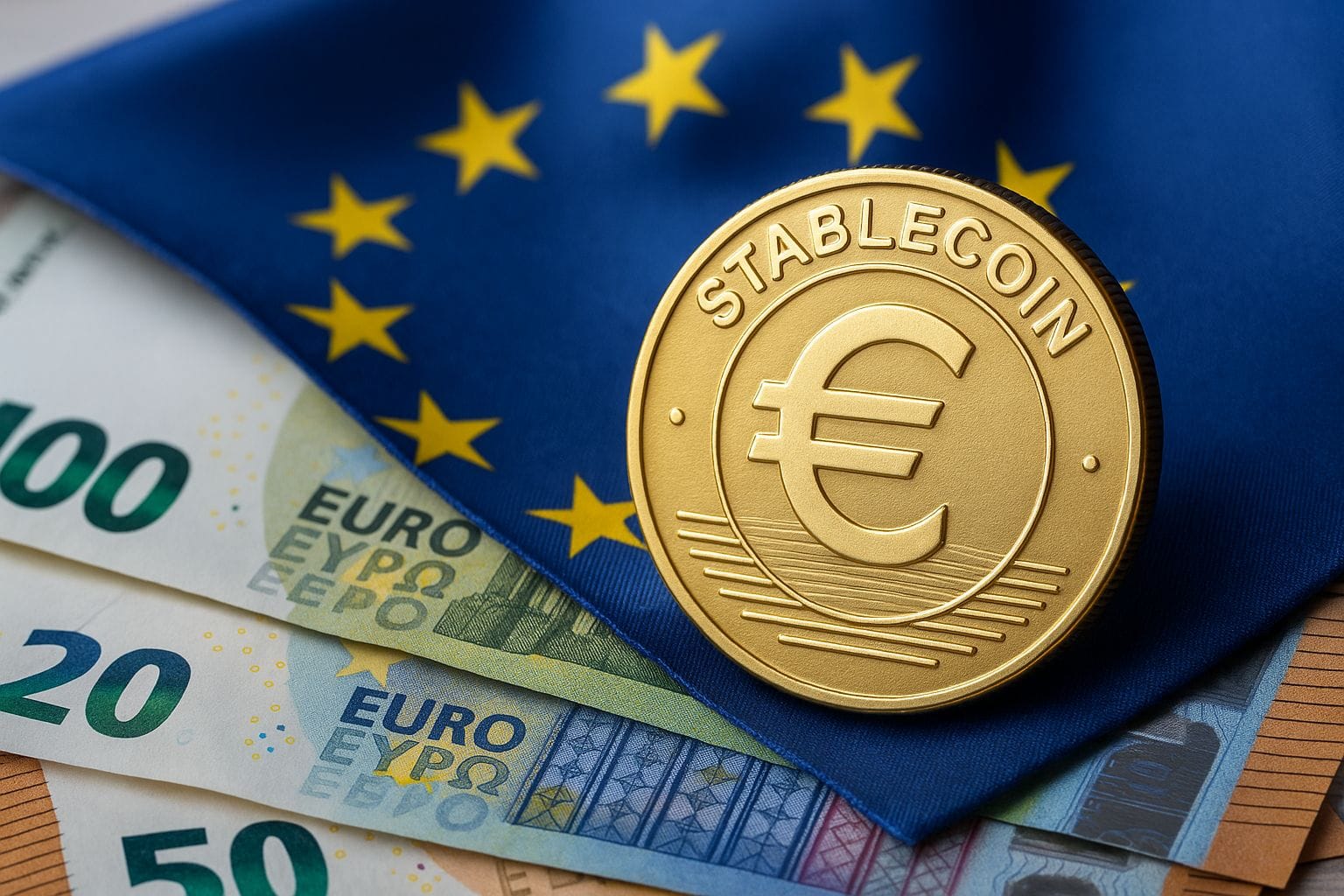
A consortium of European banks is preparing a euro-denominated stablecoin targeting a 2026 launch. The effort signals a coordinated push to reduce reliance on dollar-based digital settlement instruments across the region.
The initiative is led by Qivalis with participation from banks including BBVA, BNP Paribas, ING, and UniCredit. The project will operate under the Markets in Crypto-Assets Regulation (MiCA, EU) and requires approval from De Nederlandsche Bank before issuance.
Can Euro Stablecoins Compete With Dollar Dominance?
The token will be fully backed 1:1 with euros and structured under an electronic money institution license in the Netherlands. Fireblocks will provide infrastructure covering token issuance, custody, wallet services, and compliance tooling such as identity verification and sanctions screening.
The project targets institutional use cases including settlement, treasury operations, and tokenized asset flows. A Fireblocks spokesperson described the system as a “regulated euro-native settlement instrument” designed to operate across multiple banking functions without dependence on dollar-based stablecoins.
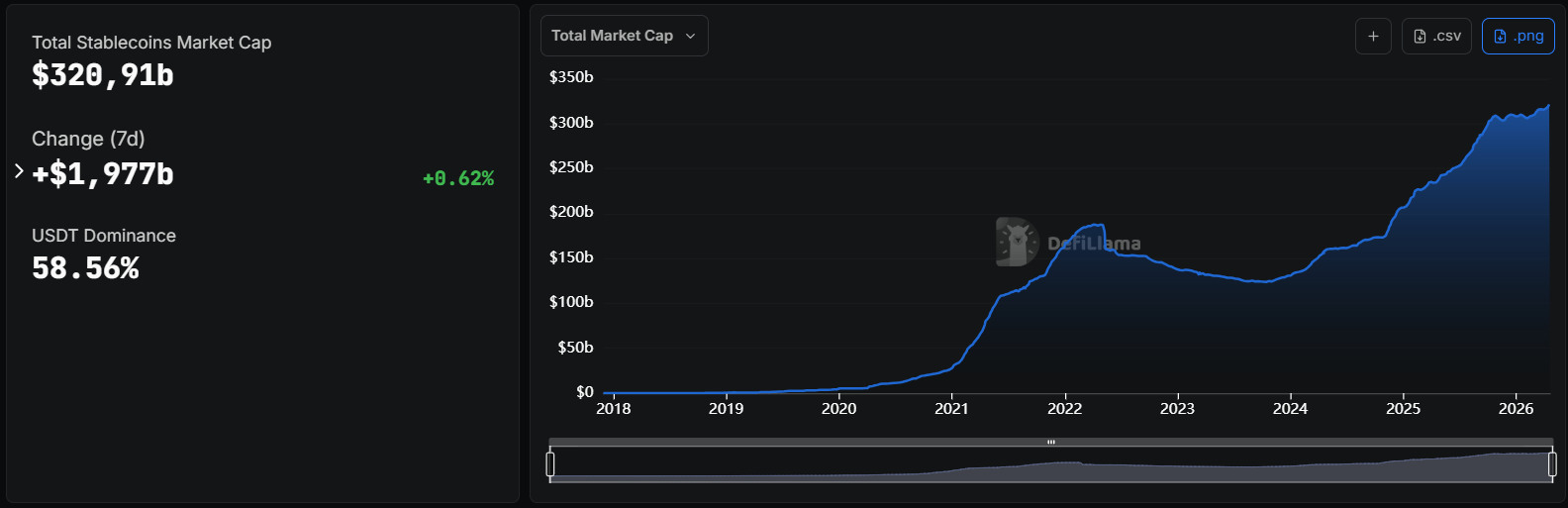
Data from DeFiLlama shows the global stablecoin market stands near $320 billion, with roughly 99% denominated in US dollars. Euro-based alternatives remain marginal, despite growing regulatory clarity in Europe and increasing concern over foreign-currency dominance in domestic payments.
Regulators have raised questions about the systemic role of dollar stablecoins in the European financial system. The Bank for International Settlements has warned that some structures resemble short-term investment vehicles rather than pure payment instruments due to underlying asset composition.
The project aligns with broader policy signals, including calls from Banque de France officials to limit non-euro stablecoin usage in everyday transactions. Still, can regulated euro tokens gain traction quickly enough to shift settlement flows within institutional markets?
Approval timelines under MiCA and initial pilot deployments will be key indicators as Europe tests whether bank-backed digital euros can capture meaningful share from entrenched dollar liquidity.



