

A long-dormant Ethereum wallet has come back to life after nearly nine years of silence, moving a substantial amount of ether and drawing fresh attention from crypto market watchers.
On Sunday, the wallet transferred a total of 50,000 ETH, worth roughly $145 million, to a Gemini exchange address, according to onchain data. Blockchain analytics firm EmberCN, citing information from Arkham Intelligence, reported that the funds were moved in two separate transactions of 25,000 ETH each, spaced a few hours apart.
一个休眠了 9 年之久的 ETH 巨鲸地址,在最近 12 个小时里醒来把 5 万枚 ETH ($1.45 亿) 转进了 Gemini 交易所。
— 余烬 (@EmberCN) January 26, 2026
◎这个地址在 9 年前从 Bitfinex 交易所提出 13.5 万枚 ETH ($1217 万),当时 ETH 价格约 $90。目前价格相较当时上涨了 32 倍。
◎在今天转出 5 万枚 ETH 后,这个地址仍持有 8.5 万枚… pic.twitter.com/GSyphyyIgF
The wallet, identified as “0xb5…Fb168D6,” had not shown any activity since 2017. That year, it withdrew approximately 135,000 ETH from Bitfinex when ether was trading near $90, valuing the holdings at around $12.17 million at the time. Despite the recent transfers, the address still holds about 85,283 ETH, suggesting the owner retains a significant long-term position.
The sudden reactivation comes as broader “whale” activity resurfaces across the crypto market. Last week, a Bitcoin wallet that had been inactive for 13 years moved 909 BTC, valued at roughly $84 million, to a new address. Such movements often attract attention due to their potential implications for market liquidity and investor sentiment, even when no immediate selling follows.
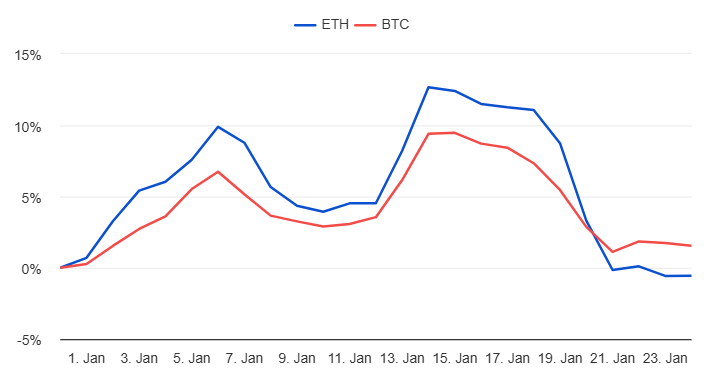
The Ethereum transfer also occurred during a period of price weakness. Ether has continued its recent slide, falling 2.8% over the past 24 hours to around $2,859 at the time of writing. Bitcoin has also edged lower, down 1.43% to approximately $87,611.
While large transfers from long-inactive wallets do not always signal an impending sale, they tend to spark speculation and highlight how early participants still hold sizeable influence over today’s crypto markets.
As digital assets mature, these rare reappearances serve as a reminder of the sector’s long history and the lasting impact of its earliest adopters.



