

European Central Bank (ECB) President Christine Lagarde has urged stricter regulation of stablecoins issued outside the European Union, warning that gaps in oversight could expose the bloc to financial risks.
Speaking at the annual conference of the European Systemic Risk Board on Wednesday, Lagarde said the EU should hold non-EU stablecoin issuers to the same reserve standards required under the bloc’s landmark Markets in Crypto-Assets (MiCA) regulation.
 European Central Bank
MiCA, which took full effect at the end of 2024, sets out comprehensive rules for crypto asset issuers and service providers across the EU. Among its key provisions, stablecoin issuers must maintain significant reserves in bank deposits and guarantee that investors can redeem tokens at face value without additional fees.
Risks in cross-border stablecoin issuance
Lagarde cautioned that vulnerabilities remain, particularly in cases where EU and non-EU entities jointly issue fungible stablecoins. Under current rules, only the EU-based component is subject to MiCA’s reserve requirements, creating what she described as opportunities for “regulatory arbitrage.”
“In the event of a run, investors would naturally prefer to redeem in the jurisdiction with the strongest safeguards — likely the EU,” Lagarde explained. “But the reserves held in the EU may not be sufficient to meet such concentrated demand.”
To address this risk, Lagarde called for new European legislation to prevent such cross-border arrangements from operating in the EU unless equivalent regulatory standards are in place abroad. She also emphasized the importance of international cooperation to create a level playing field for stablecoin oversight, warning that “without it, risks will always seek the path of least resistance.”
Stablecoins’ growing global footprint
Lagarde’s comments come as stablecoins — cryptocurrencies pegged to assets like the U.S. dollar — continue to expand globally. Recent shifts in U.S. policy under President Donald Trump have fueled this growth. In April, the Federal Reserve withdrew earlier guidance that discouraged banks from engaging in crypto and stablecoin-related activities, signaling a more open regulatory stance.
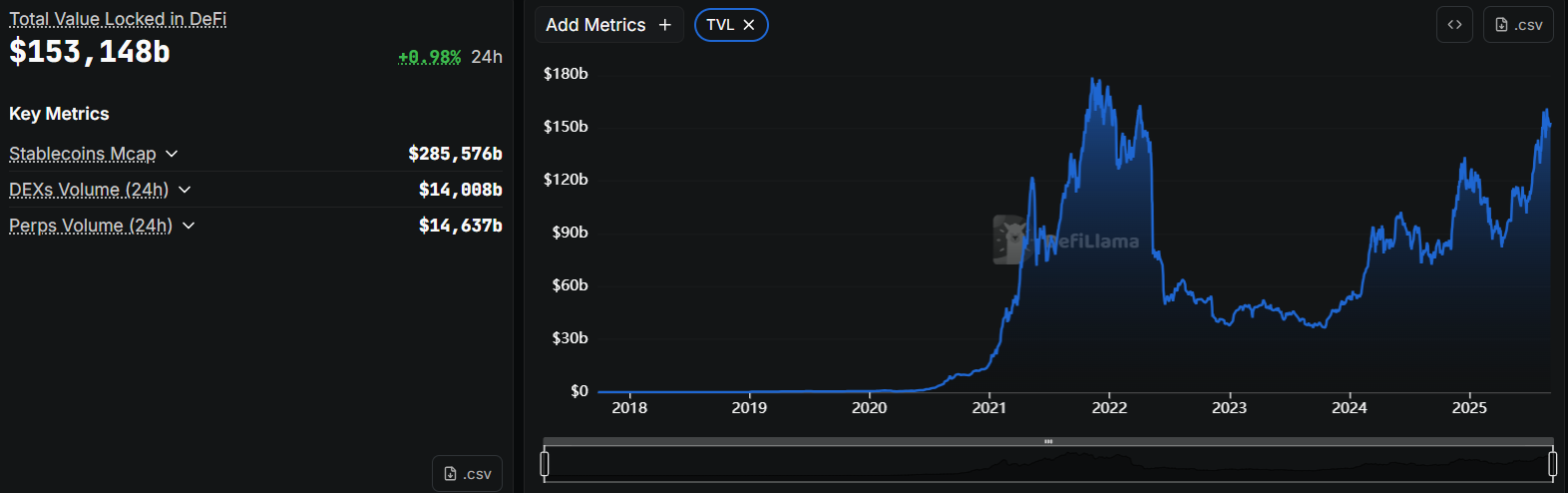
The effect has been visible in market activity. As of September 3, the total supply of dollar-pegged stablecoins reached $271.3 billion, up from $256.3 billion at the start of August, according to data.
The road ahead for EU regulation
For the EU, Lagarde’s remarks highlight the challenge of keeping regulation aligned with rapid developments in global digital finance. While MiCA has been hailed as one of the world’s most comprehensive crypto frameworks, questions remain over how effectively it can address risks that spill across borders.
As stablecoins gain traction in both Europe and the U.S., Lagarde’s call suggests the EU may move toward even tighter rules to safeguard financial stability. For investors and issuers alike, the next stage of regulation could determine how seamlessly stablecoins operate across international markets.



