
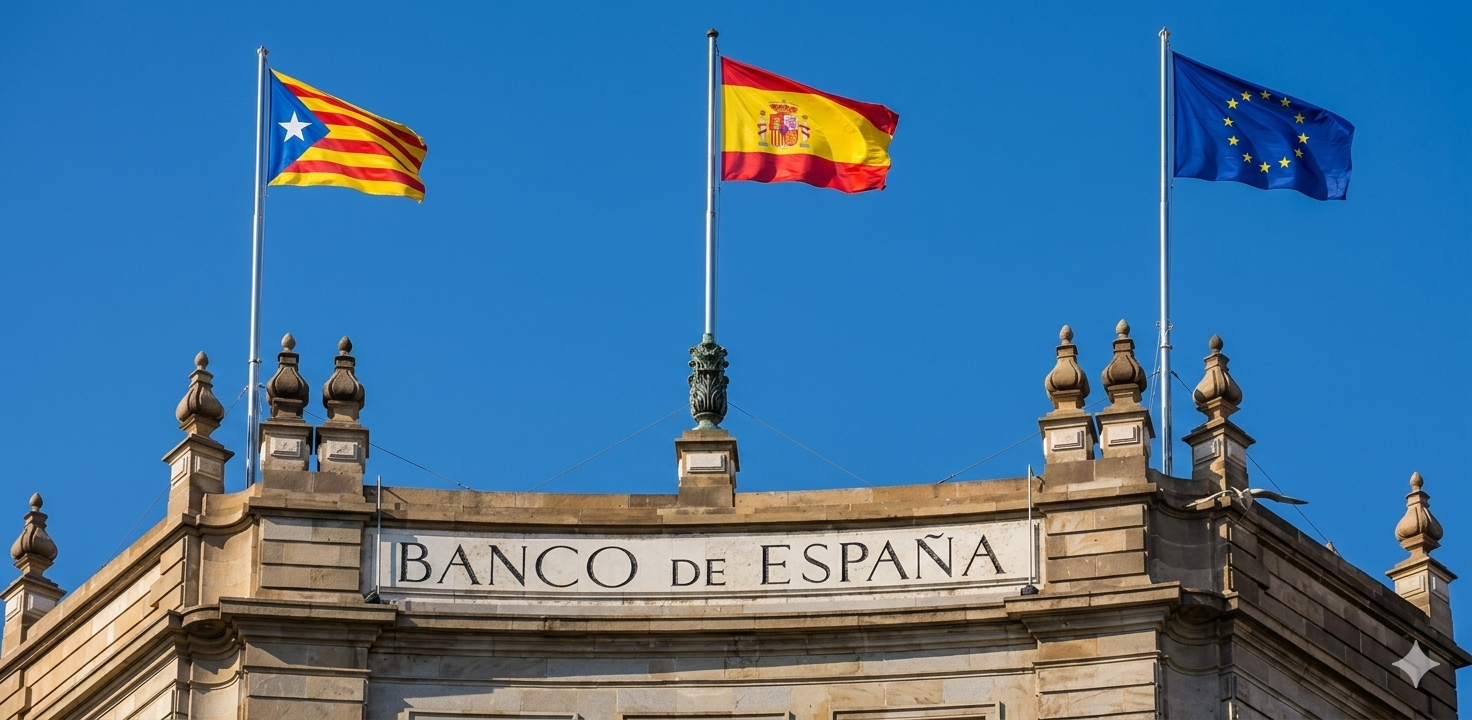
Spain wants the digital euro live in 2028, not 2029. Madrid is framing the schedule as a market-structure issue as US stablecoins expand their role in payment intermediation.
Prime Minister Pedro Sánchez set the goal in a competitiveness “non-paper” sent to European Council President António Costa. It calls for a 2028 launch, citing a “noticeable increase in US stablecoin-based financial intermediation.” The European Central Bank (ECB) says it needs EU legislation; its planning work points to a 2027 pilot and a potential 2029 launch.
 European Central Bank
ECB officials reiterate case for a digital euro, arguing the single currency must adapt as payments shift online.
The ECB says work is focused on technical foundations, coordination with market participants, and support for the legislative process. But ECB officials have grown more vocal about slow political progress, and Christine Lagarde has pressed lawmakers to move faster. Can the EU accelerate without compromising privacy, resilience, and offline payments?
Spain’s paper treats payments as competitiveness infrastructure rather than a niche fintech debate. It argues Europe needs a “sovereign payment architecture” and ties the digital euro to scaling “lead markets” through public investment and procurement preferences. The same push lands as Brussels prepares the Industrial Accelerator Act, now scheduled for March 4.
For markets, the key question is which rail sits under everyday commerce. The ECB wants a digital form of cash that reduces reliance on Visa, Mastercard, and PayPal while responding to the rise of dollar-backed stablecoins. A 2028 target would compress the political window for a legal framework and force earlier sequencing across 21 national central banks.
The next catalyst is whether EU governments and the European Parliament lock a legal framework in 2026. That vote would set the pilot calendar and show whether 2028 is an executable launch date.



