
What Are DeFi Aggregators?
Decentralized finance (DeFi) has opened the door to banking without banks. Anyone with an internet connection can lend, borrow, trade, or earn interest directly on the blockchain. But there’s a catch: with so many platforms out there, finding the best deal—whether that’s the lowest swap fee or the highest lending rate—can feel overwhelming.
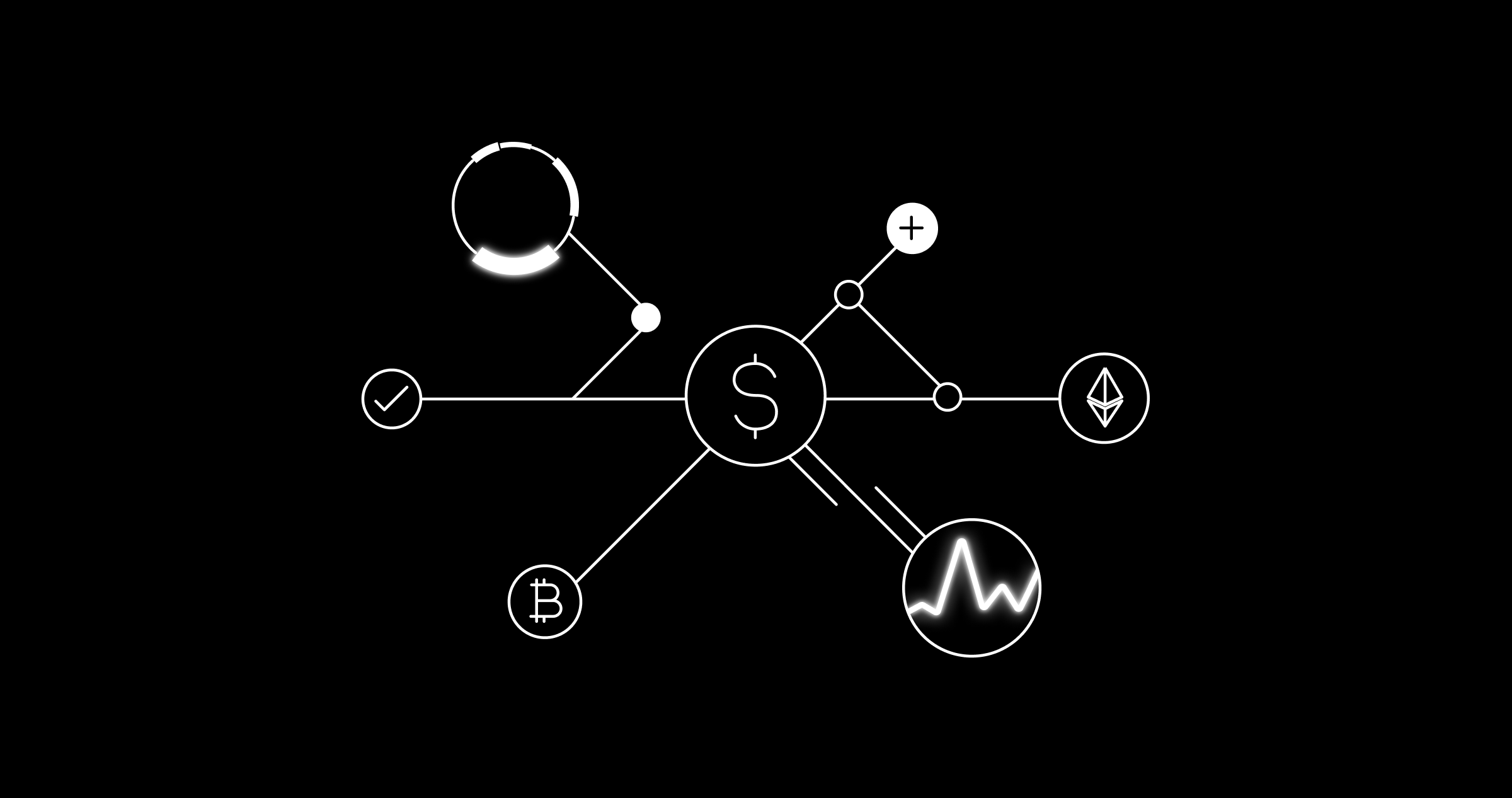
That’s where DeFi aggregators come in. These platforms act as smart dashboards, pulling data from dozens of decentralized exchanges (DEXs), lending protocols, and liquidity pools. Instead of checking every platform one by one, users get a single interface that compares rates, routes trades, and even executes transactions on their behalf.
How Do They Work?
1. Constant price monitoring
Aggregators track token prices, lending rates, and liquidity across multiple platforms in real time. They rely on blockchain queries, APIs, oracles, and direct smart contract interactions to make sure their data is accurate. Since crypto markets move quickly, top aggregators refresh their data every second.
2. Smart routing
Once they’ve collected the data, aggregators use algorithms to determine the most efficient path for your trade or investment. For example, if you’re swapping tokens, the aggregator might split your order across several exchanges to minimize costs and reduce slippage (price shifts caused by large trades). For lending or yield farming, it highlights protocols offering the best returns after fees.
3. Automated execution
When you confirm a trade or deposit, a smart contract takes over. These programs run directly on the blockchain, handling the transaction securely without intermediaries. If one part of the transaction fails, the entire process is rolled back, reducing the chance of costly errors.
4. User-friendly dashboards
Most aggregators package all this complexity into clean, easy-to-use dashboards. Users can sort options by price, yield, or gas fees and set preferences like maximum slippage tolerance. The goal is to make sophisticated DeFi tools feel as simple as using an app.
Pros and Cons of Using DeFi Aggregators
Benefits:
- Time-saving: No need to jump between multiple apps and compare rates manually.
- Better pricing: Algorithms often secure better swap rates or lending yields than single-platform searches.
- Lower barrier to entry: Beginners can access DeFi through straightforward workflows instead of clunky interfaces.
- Market efficiency: Aggregators help connect fragmented liquidity, making markets healthier and more competitive.
Risks:
- Smart contract bugs: Like any DeFi tool, aggregators can be vulnerable to code exploits.
- Rapid price changes: Market shifts may mean the “best” route becomes outdated mid-transaction.
- Centralization concerns: Some rely on centralized infrastructure, which can undermine the trustless model.
- Extra fees: Routing trades through multiple pools can increase gas costs and complexity.
Examples of Leading DeFi Aggregators
- 1inch: A major DEX aggregator that finds the cheapest paths for token swaps across multiple exchanges.
- Yearn Finance: Specializes in yield optimization by automatically moving funds into high-performing strategies.
- Zapper: Offers portfolio management tools that let users track, swap, and invest across DeFi protocols in one place.
Final Takeaway
DeFi aggregators are quickly becoming the “search engines” of decentralized finance. They cut through the noise, streamline user experience, and often save money in the process. Still, they’re not risk-free—smart contract vulnerabilities, volatile markets, and added fees can trip up even savvy investors.
For newcomers, aggregators provide a much-needed entry point. For experienced traders, they offer efficiency and better execution. As DeFi matures, expect aggregators to play an even bigger role in making crypto tools accessible to a wider audience.



