
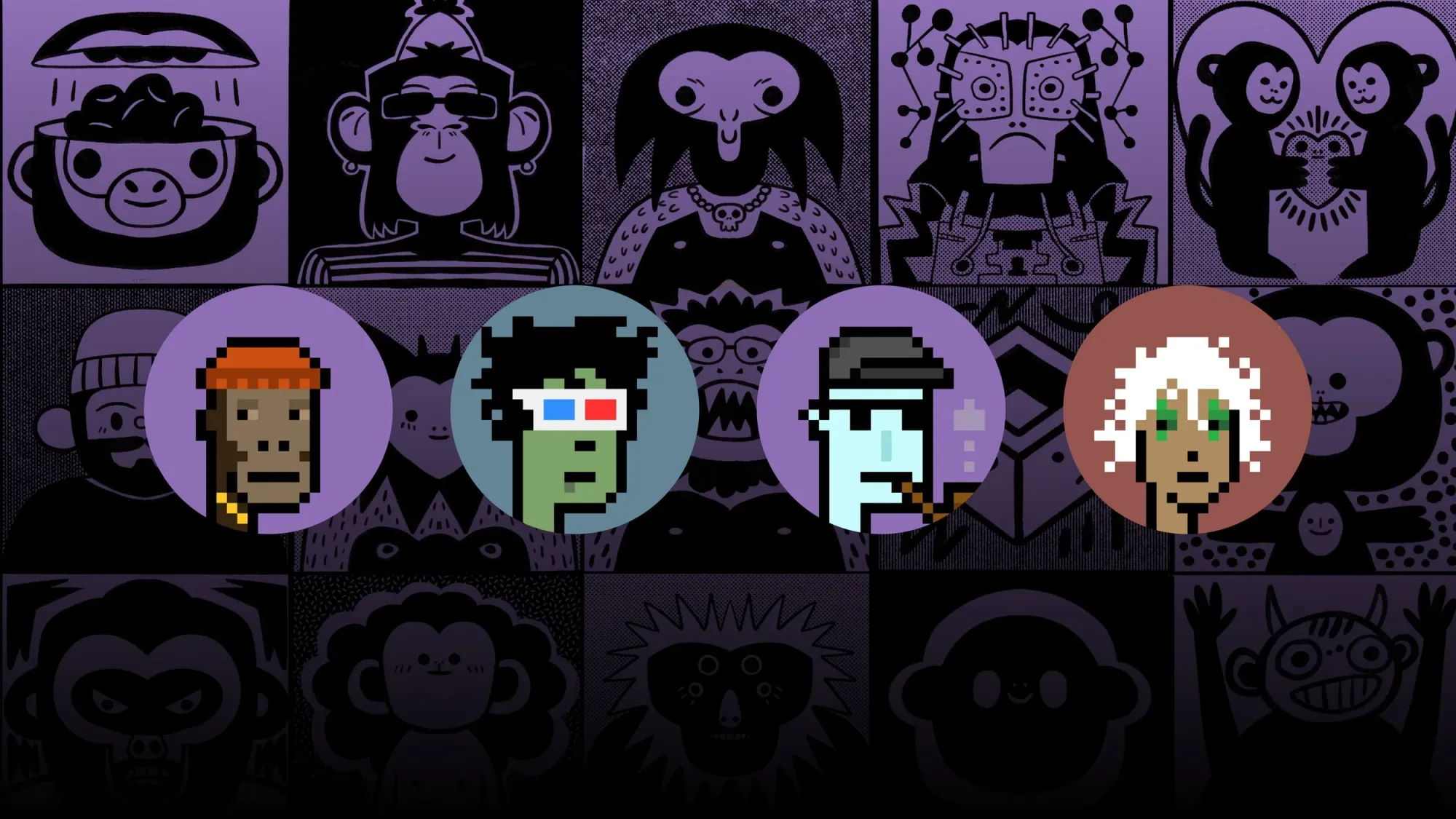
These are CryptoPunks, and they represent a massive milestone in the history of cryptocurrency. Comprising exactly 10,000 unique pixel art characters, this collection helped spark the massive boom of non fungible tokens, widely known as NFTs. Today, they trade like rare physical masterpieces, but their story starts long before the digital art craze took over the internet.
The Birth of a Digital Revolution
Back in 2017, the concept of owning a verified piece of digital art was almost unheard of. That changed when two Canadian developers, Matt Hall and John Watkinson, launched their creative studio called Larva Labs. Drawing heavy inspiration from the gritty London punk rock scene and cyberpunk science fiction staples like The Matrix and Blade Runner, they wanted to experiment with digital ownership.
The result was CryptoPunks. At launch, anyone with an Ethereum wallet could claim one of the 9,000 publicly available punks for absolutely free. The developers kept the remaining 1,000 for themselves. The only cost for users was the network gas fee required to process the transaction. It took just eight days for the entire public supply to be claimed.
Setting the Technical Standard
When Larva Labs launched the project, there was no standardized way to create an NFT on the Ethereum blockchain. The developers essentially had to write the rules from scratch using a smart contract. Their innovative code directly inspired the ERC 721 token standard. This is the exact technical framework that almost all future Ethereum based digital assets would eventually adopt. You can dive deeper into this technology in our guide on how Ethereum smart contracts operate.
Interestingly, the first version of the project was not completely stored on the blockchain. Initially, the tokens referenced a single master image file containing all 10,000 characters arranged in a grid. By 2021, the developers moved the entire collection fully on chain.
Generative Art and Rarity
One of the most fascinating aspects of CryptoPunks is how they were actually created. Instead of drawing each character by hand, the creators used a process called generative art. They fed specific attributes into an algorithm, which then randomly assembled the final images.
The code pulled from five basic character types. These include standard males and females, along with rarer apes, zombies, and aliens. Then, it applied a mix of 87 possible attributes like wild hair, colored glasses, or beards. Because the process was algorithmic, some punks ended up with incredibly rare combinations. For example, there are only nine alien characters in the entire collection, and only a single punk features exactly seven unique attributes. Naturally, these incredibly rare traits command the highest prices on the open market.
A Lasting Legacy
The influence of this project is undeniable. By establishing the standard collection size of 10,000 unique profile pictures, CryptoPunks laid the groundwork for future giants like the Bored Ape Yacht Club. In a massive industry shift, Larva Labs eventually sold the intellectual property rights of the project to Yuga Labs in March 2022.
Today, collectors hold these assets for a variety of reasons. Some appreciate the historical nostalgia, while others view them as a serious financial investment. The financial metrics are certainly staggering. The highest recorded sale for a single punk reached an astounding 24 million USD. Even traditional art institutions have recognized their value. The founders successfully auctioned a batch of nine characters through the prestigious Christies auction house for nearly 17 million USD.
These pixelated characters are no longer just a fun experiment. They are verified pieces of digital history that forever changed how we view art and ownership in the modern age.



