
Let's be honest: in the world of crypto, your security is primarily your responsibility. Even the most reputable exchanges, like the one you might use, can only do so much. If you give a scammer the key to your digital vault, it doesn't matter how strong the vault is.
This is why you must become your own first and best line of defense. Ignoring basic security precautions is the single easiest way to lose your funds. Here is an essential checklist of security measures that seasoned crypto enthusiasts never skip.
1. Activate Two-Factor Authentication (2FA) Everywhere
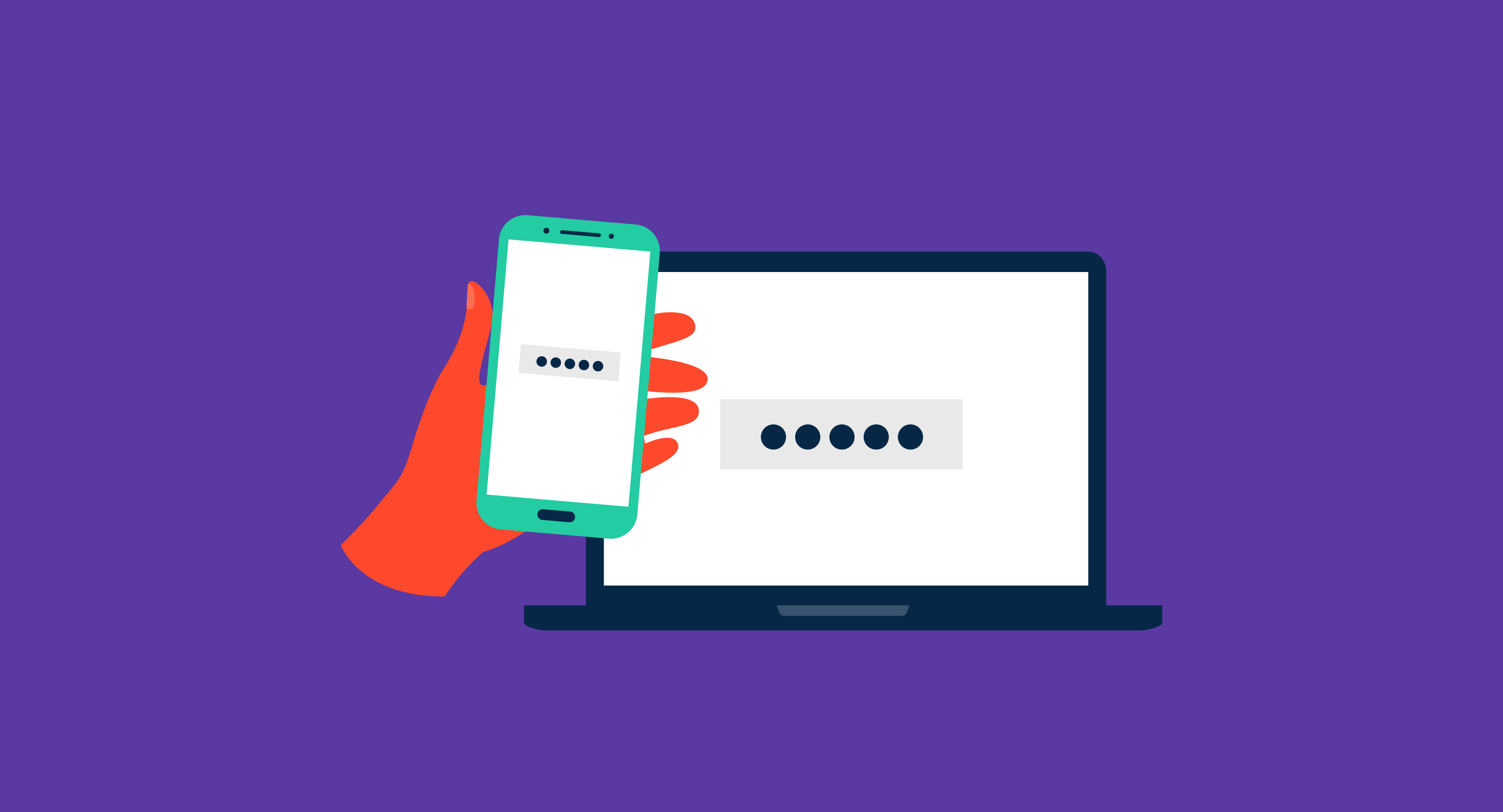
A password alone isn't enough. Two-Factor Authentication (2FA) adds a critical second barrier, making it much harder for a hacker to access your account even if they steal your password.
- How it Works: In addition to your password, the system requests a unique, time-sensitive code generated by an app (like Google Authenticator) on a separate device, usually your phone.
- Best Practice: Use a dedicated app-based authenticator (known as Time-based One-Time Password, or TOTP) for 2FA, not SMS. SMS messages are much easier for criminals to intercept.
- Apply Widely: Enable 2FA not just on your exchange and crypto wallet logins, but also on the email account linked to those platforms. A compromised email is often the first step in a complete account takeover.
2. Make Your Passwords Bulletproof
Your password is the front door to your funds. Don't make it a flimsy screen door.
- Strength is Key: Use a random combination of at least 12 characters incorporating uppercase and lowercase letters, numbers, and symbols. Never use dictionary words, biographical information, or simple keyboard patterns.
- Uniqueness: Never reuse the same password for your email, your bank, and your crypto exchange. If one service is breached, every other account is immediately vulnerable.
- Management: Use a secure password manager (like 1Password or Bitwarden) to generate, store, and automatically fill complex passwords. Don't try to remember them all!
3. Implement Address Whitelisting for Withdrawals
This is a security feature offered by most major exchanges that provides an extra layer of protection against unauthorized transfers.
- The Safety Net: Whitelisting means you specify a limited, approved list of crypto addresses (usually your secure personal wallet, your bank, or another trusted exchange account) to which funds can be withdrawn.
- The Benefit: If a hacker does manage to bypass your 2FA and password, they still can't send your crypto to their own wallet. They can only send it to one of your pre-approved addresses, greatly enhancing your chance of recovery or freezing the funds.
- The Trade-Off: It reduces spontaneity. You won't be able to quickly send funds to a new address until you manually add it to your whitelist. For large holdings, this safety barrier is well worth the minor inconvenience.
4. Secure Your Email and Utilize Account Freeze Links
Your email address is the single most dangerous vulnerability, as it’s used for password resets and withdrawal confirmations.
- Secure Email: Protect your registered email with a strong, unique password and 2FA.
- Confirmation Checks: Most exchanges provide confirmation emails for withdrawals. Pay attention! If you receive a confirmation email for a withdrawal you didn't initiate, immediately look for the included account freeze link (a feature offered by many platforms). Clicking this link can instantly lock all activity, buying you precious time to contact customer support.
5. Practice Impeccable Digital Hygiene
The best security features in the world can't protect you if you fall for a simple scam.
- Avoid Phishing: Never click on suspicious links in emails, text messages, or social media DMs, especially those claiming to be from your crypto exchange. Always check the URL to ensure it is the correct, official site before entering your login credentials.
- Antivirus & Updates: Keep your operating system, browser, and antivirus software up to date. Security patches are released to fix known flaws that hackers exploit.
- Offline Key Management: For large crypto balances, the ultimate precaution is using cold storage (a hardware wallet). If the key is never online, it can't be stolen by online hackers.
By adopting these five security habits, you significantly reduce the risk of becoming another victim and ensure that your crypto assets remain safe, secure, and under your control.



