

Fraudsters are demanding bitcoin and stablecoin payments from ships stranded near the Strait of Hormuz. The scheme introduces new operational risks as geopolitical tensions disrupt one of the world’s most critical energy corridors.
Greek maritime risk firm MARISKS warned Monday that unknown actors are impersonating Iranian authorities. According to Reuters, the attackers are contacting shipping companies and requesting cryptocurrency “clearance” fees in exchange for safe passage through the strait.
Are Crypto Payments Becoming Tools In Maritime Fraud?
The messages instruct operators to submit vessel documentation for review before a fee is set, payable in bitcoin or USDt (USDT). In at least one reported case, a vessel attempting to exit on April 18 was fired upon by Iranian boats, with MARISKS indicating a possible link to the scam.
The incidents occur as the Strait of Hormuz remains partially restricted amid US and Iranian actions. The passage previously handled roughly 20% of global oil and liquefied natural gas shipments, making any disruption a significant macroeconomic factor for energy and shipping markets.
Iran has separately proposed official transit tolls during ceasefire discussions, reportedly seeking up to $2 million per tanker, or about $1 per barrel, according to the Financial Times. This overlap between state proposals and fraudulent demands complicates verification for operators already navigating sanctions and military risks.
Security analysts note that crypto’s speed and pseudonymity make it attractive for such schemes, particularly in fragmented communication environments. Still, firms are advised to rely on verified government channels rather than unsolicited payment requests tied to transit permissions.

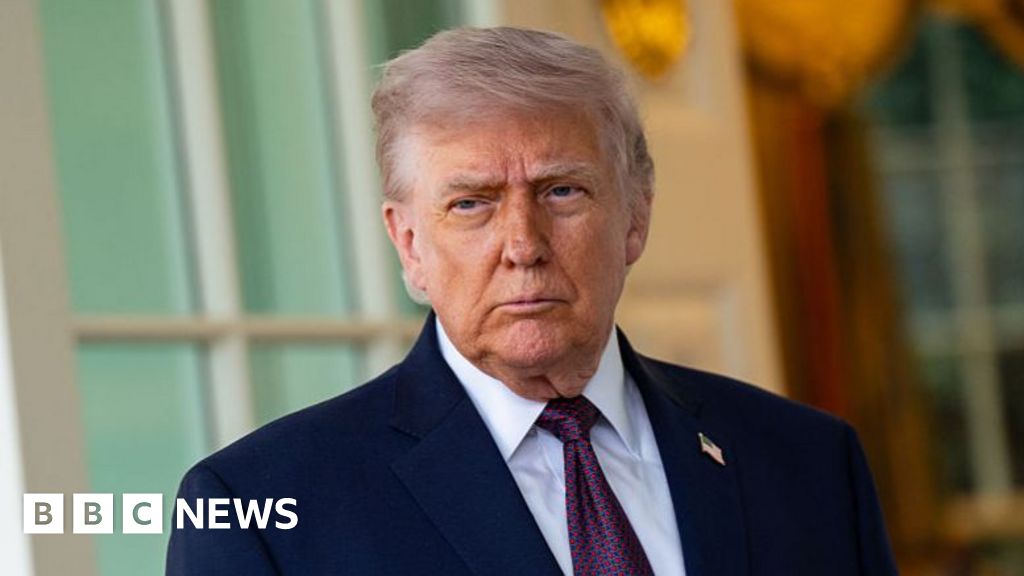
The US blockade on Iranian ports remains in place, with President Donald Trump stating it will continue until a broader agreement is reached, according to the BBC. Attention now turns to the April 23 ceasefire deadline and whether renewed negotiations reduce both physical and cyber-linked threats to maritime trade.



