
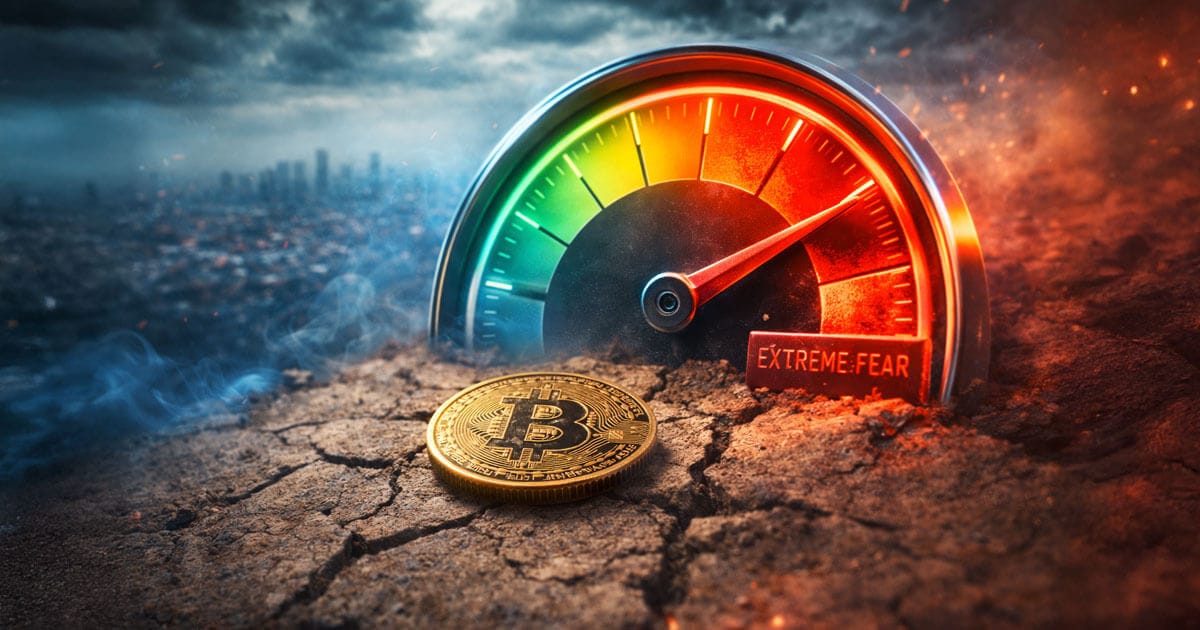
The crypto Fear and Greed Index fell to 10 on Tuesday from 12 a day earlier as Middle East tensions intensified. The drop signals deep risk aversion across digital asset markets at a time when macro catalysts remain unresolved.
Sentiment weakened as Iran conducted military drills that temporarily shut the Strait of Hormuz. The waterway handles roughly 31% of seaborne crude oil flows, and any disruption typically drives energy prices higher and tightens global liquidity conditions.
BREAKING; RUSSIAN Warships Arrive at Bandar Abbas – Surprise Exercises with IRAN Set to Begin Near Hormuz Chokepoint Amid U.S. warships Presence
— Global Surveillance (@Globalsurv) February 18, 2026
Russia, Iran, and China have deployed naval vessels for joint exercises in the Strait of Hormuz region under the "Maritime Security… pic.twitter.com/QPriuKFeGb
Iranian and U.S. officials met in Geneva this week for diplomatic talks.
Market participants are watching the outcome closely, as escalation could pressure risk assets further while de-escalation may stabilize flows.
 Howard Altman
Could Higher Oil Prices Pressure Bitcoin Miners?
Elevated energy costs directly affect bitcoin mining margins.
If oil-driven power prices rise, miners may scale back operations or liquidate holdings to cover expenses, creating incremental sell pressure in already thin markets.
Trading volumes have remained muted as investors await U.S. macro data.
The Federal Reserve’s durable goods release and the Personal Consumption Expenditures report due Friday are expected to guide rate expectations and broader risk appetite.
Macro sensitivity has increased across digital assets in recent quarters.
Risk-on instruments, including cryptocurrencies, have reacted more sharply to geopolitical shocks compared with stable periods earlier in the year when sentiment readings held above 50.
The Strait of Hormuz disruption adds a supply-side energy risk to an already cautious environment.
Still, whether sentiment stabilizes or deteriorates further will likely hinge on the Geneva talks and this week’s U.S. inflation data, which could reset positioning across crypto derivatives markets.



