

Connecticut regulators have ordered Kalshi, Robinhood, and Crypto.com to stop offering what the state describes as illegal online sports wagering. The move came Tuesday when the Department of Consumer Protection issued cease and desist letters through its Gaming Division, warning the companies that their so called sports event contracts violate state law.
According to the department, the platforms were allowing residents to place wagers on the outcomes of real world events without holding a state license. Commissioner Bryan T. Cafferelli said only approved operators are allowed to offer sports betting in Connecticut and noted that none of the three companies have the required authorization. He also stated that the contracts appear to break additional state rules, including restrictions intended to prevent wagers from people under 21.


The letters instruct Kalshi, Robinhood, and Crypto.com to stop promoting or providing these contracts to Connecticut users and to ensure residents can withdraw their funds. Regulators also warned that the platforms expose users to several risks, including weak data safeguards and the possibility of insider betting on events with predictable results such as award shows or professional sports trades.
DCP Gaming Director Kris Gilman said the companies were presenting their services as legal despite clear state laws to the contrary. Gilman added that consumers may not realize that wagers placed on unlicensed platforms lack basic protections for their money or personal information. She also stressed that a prediction market wager should not be viewed as an investment.
If the companies fail to comply, they could face civil penalties under the Connecticut Unfair Trade Practices Act or even criminal charges under state gaming laws. None of the three firms responded immediately to requests for comment.
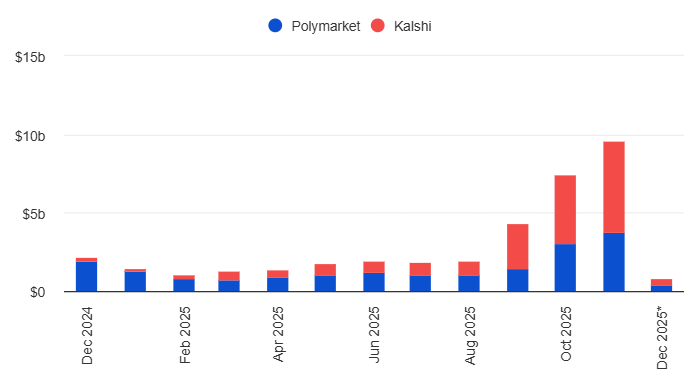
Prediction markets have grown quickly at the intersection of finance and online betting. While the Commodity Futures Trading Commission has granted federal approval to several platforms, including Kalshi and Polymarket, their status within individual states remains unsettled. Kalshi, in particular, has argued that its contracts fall under federal jurisdiction and should not be regulated as traditional sports betting. The company has already faced similar pushback this year in Arizona, Illinois, Montana, and Ohio.
As states continue to sort out the boundaries between prediction markets and gambling, more confrontations between regulators and platforms are likely. For now, Connecticut has made its position clear and expects the companies to step back until they meet state requirements.



