
The hacker behind the massive Coinbase cyberattack earlier this year has moved millions in stolen funds into Solana, according to on-chain data. Analysts say this marks the second significant Solana purchase tied to the attacker, who is believed to have siphoned off as much as $400 million from the exchange in May 2025.
Hacker Buys Over 100,000 SOL
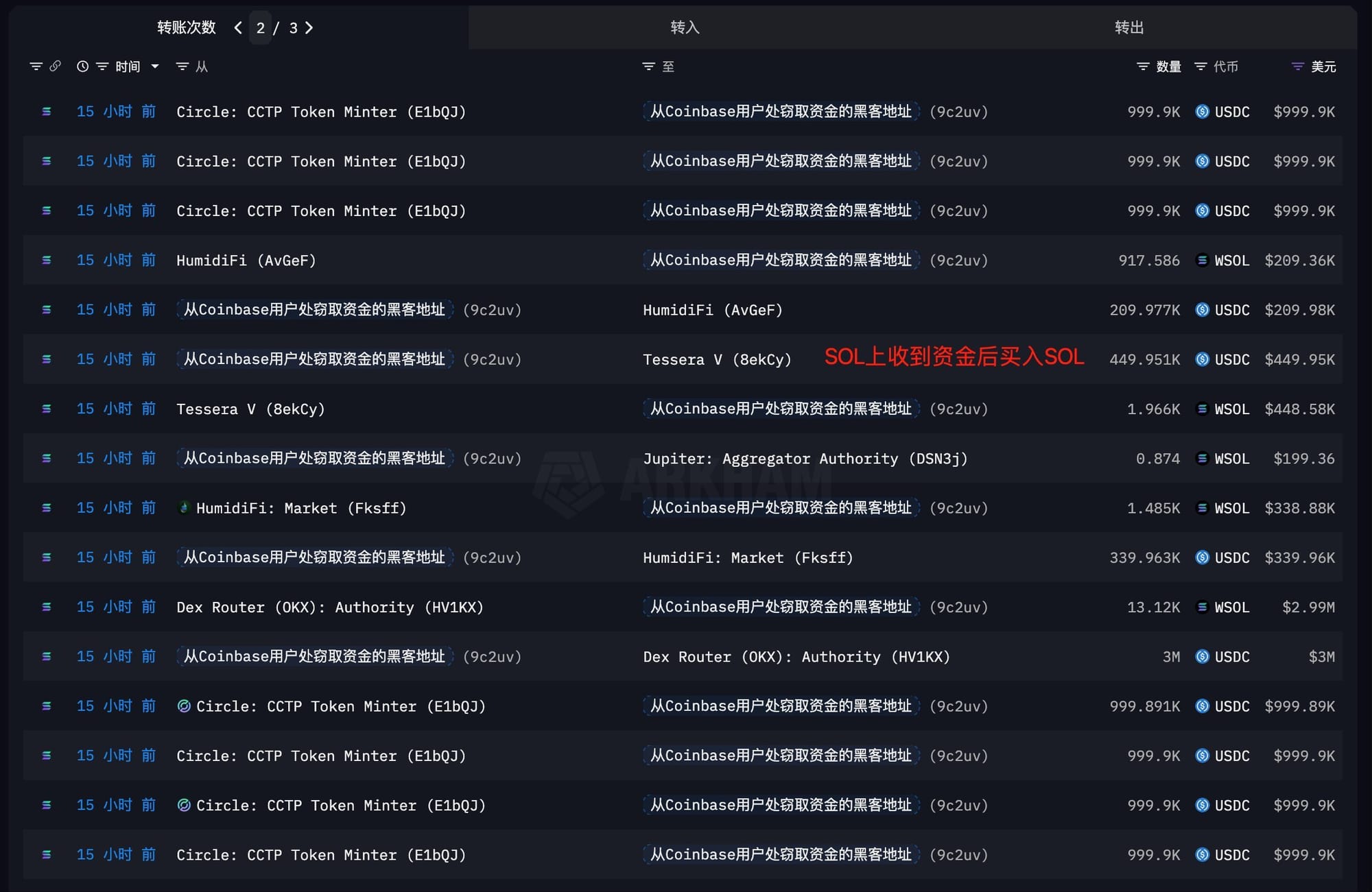
Blockchain sleuth Ember CN reported that the hacker swapped roughly 22.95 million DAI for USDC before bridging the funds to the Solana network. The attacker then purchased 100,913 SOL at an average price of $227 per token, spending nearly the entire balance.
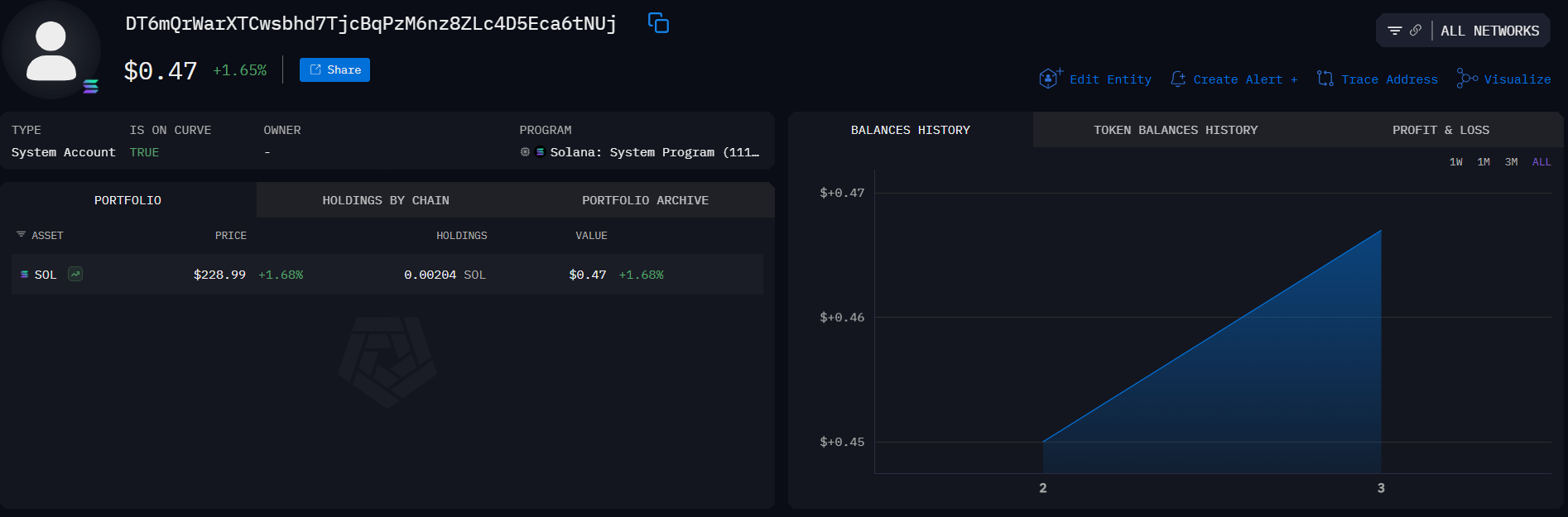
By October 3, 09:24 UTC, the wallet linked to the hacker held just $0.47 worth of Solana, signaling the funds had been quickly moved. This is the largest Solana buy to date by the attacker.
It follows a similar move last month, when the hacker converted stolen stablecoins into 38,126 SOL.
At press time, Solana was trading at $231, up 3% in the past 24 hours and 10.8% higher over the past month. Still, the token remains about 21% below its all-time high of $293.
Tracing the Hacker’s Moves
Since the May breach, the attacker has carried out at least five notable on-chain transactions. Activity includes:
- Swapping $42.5M in Bitcoin for Ethereum via THORChain.
- Selling 26,347 ETH for 68.18M DAI at an average price of $2,588.
- Repurchasing 5,513 ETH for 14.86M DAI at $2,696 in July.
- Recent large-scale Solana purchases using converted DAI and USDC.
The pattern suggests the hacker is shifting between stablecoins and major crypto assets, possibly as a way to obfuscate funds and test liquidity across different chains.
Inside the Coinbase Cyberattack
The breach, reported in May 2025, was one of the largest in Coinbase’s history, impacting nearly 70,000 users. Investigations revealed that hackers used social engineering tactics, including bribing overseas customer-support contractors, to gain access to sensitive records between December 2024 and May 2025.
Compromised data included full names, addresses, phone numbers, dates of birth, partial bank account details, and even government-issued ID scans. The incident caused widespread concern over centralized exchange security and insider threats in the crypto industry.



