

Cochlear has introduced a major step forward in medical technology with the launch of its Nucleus Nexa System, the first cochlear implant designed to run machine learning models inside the body while managing strict power limits. The system brings together real-time audio analysis, long-term energy efficiency, and upgradeable on-device intelligence in a way that sets a new bar for implantable AI.


At the center of this breakthrough is SCAN 2, an environmental classifier that sorts incoming sound into five categories: Speech, Speech in Noise, Noise, Music, and Quiet. These classifications feed into a decision tree model that fine-tunes sound processing based on a listener’s surroundings. According to Cochlear CTO Jan Janssen, the goal is simple: help users hear more naturally as they move through everyday environments.
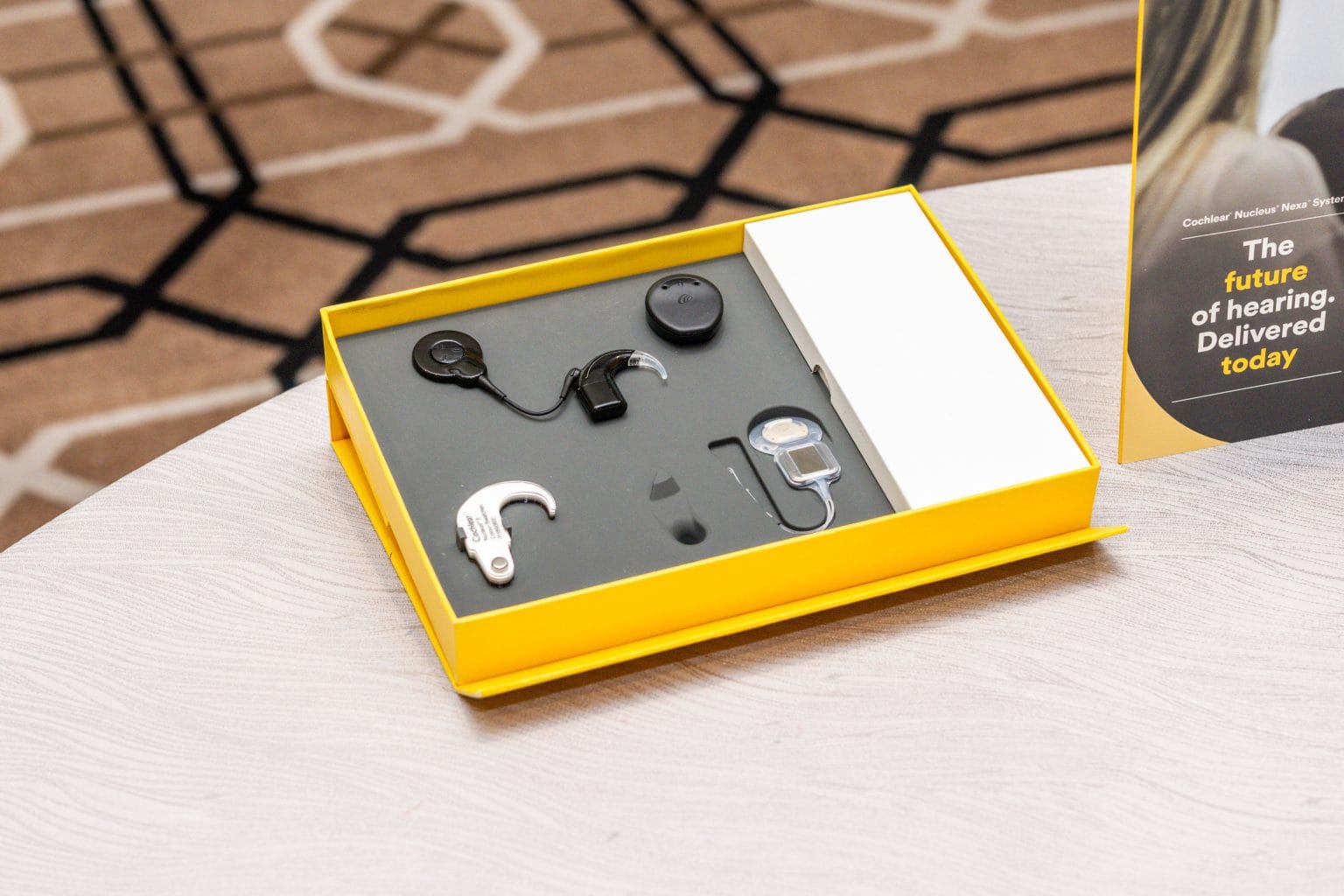
The intelligence does not stop at the external sound processor. A feature called Dynamic Power Management allows the implant and processor to work together, adjusting how power and data move across an upgraded RF link. This coordination helps the device stretch its energy budget while still reacting to sound in real time, a critical requirement for hardware that is expected to remain in the body for decades.
Another layer of support comes from ForwardFocus, a spatial noise technology that uses two microphones to identify where sound is coming from and dampen distractions. It works automatically, reducing the need for users to fiddle with settings during conversations or in loud spaces.
One of the most significant changes is upgradeability. Previous generations of cochlear implants were locked at the time of surgery. The Nucleus Nexa Implant can receive firmware updates through the external processor, allowing new AI models, noise reduction tools, and processing features to reach existing patients. The implant also stores a copy of the user’s personalized hearing map, which allows quick recovery if the external processor is lost or replaced.
Cochlear is sticking with decision tree models for now due to their low power cost and transparency, but the company is already looking ahead. Janssen said deeper neural networks may eventually boost performance in noisy settings. The team is also exploring how AI can reduce routine clinic visits by automating checkups and lowering lifetime care costs.
This work highlights the core challenge of implantable AI: tight power budgets, real-time responses, medical safety requirements, decades-long lifespans, and strong privacy protections. Cochlear’s approach shows how these constraints can drive creative engineering rather than limit it.
Looking forward, support for Bluetooth LE Audio and Auracast will come through future updates, opening the door for direct connections to public audio systems in airports, gyms, and theaters. Longer term, Cochlear sees a path toward fully implantable devices with their own microphones and batteries, making hearing assistance more seamless and independent than ever.
Cochlear’s progress offers a playbook for future edge AI medical devices: use interpretable models first, design for long-term upgradeability, and build systems that can evolve over a lifetime. As Janssen put it, today’s smart implant is only the first step. For the millions of people living with hearing loss, these advances signal a future where medical devices do more than restore function. They learn, adapt, and support users wherever they go.



