
China’s leading robotaxi companies are intensifying the global race for autonomous vehicles, quickly expanding beyond their home market and gaining ground on American rivals. While Waymo, Alphabet’s self-driving unit, continues to attract attention for its fully driverless cars in the United States, Chinese firms such as Baidu’s Apollo Go, WeRide, and Pony AI are steadily increasing their presence in international markets.
Spoke with @WSJ on our Middle East expansion plans: 1,000 Robotaxis in 2026, 20,000-30,000 by 2030. Our priority is to scale in developed countries with high demand. 150 Robotaxis currently in Abu Dhabi, Dubai & Riyadh, with fully driverless testing underway in Abu Dhabi.$WRD pic.twitter.com/YHVeS39kuu
— WeRide.ai (@WeRide_ai) October 1, 2025
WeRide targets 1,000 robotaxis by 2026 in Middle East, with 150 currently in Abu Dhabi, Dubai, and Riyadh, and driverless testing underway.
While American companies have largely focused on domestic deployments, their Chinese counterparts have rolled out pilot projects and limited services in cities across the Middle East and Asia—including Dubai, Abu Dhabi, and Singapore—with plans to push into Europe next. These efforts signal a shift in the autonomous vehicle landscape, with Chinese firms aiming for rapid global scale.
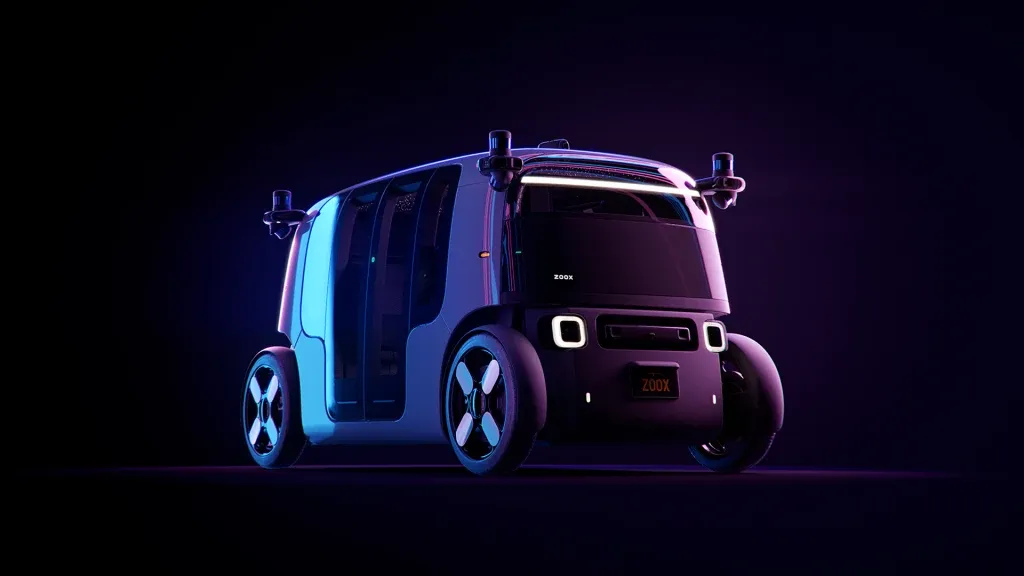
Regulatory challenges, safety concerns, and complex urban conditions mean that true driverless taxi service remains a work in progress everywhere. US industry leader Waymo currently operates fully driverless vehicles in five cities and tests in at least 10 more, though even it faces close scrutiny; US regulators are investigating recent incidents involving its cars. Tesla and Amazon’s Zoox are also making progress but remain cautious in their expansion plans.
Meanwhile, China’s robotaxi sector benefits from strong government backing and a robust electric vehicle ecosystem. Beijing sees autonomous driving as a strategic industry, targeting global leadership by 2035 and recently resuming robotaxi testing permits to stay competitive. The nation’s willingness to invest in long-term innovation and manufacturing scale has led to lower vehicle costs, making Chinese robotaxis attractive for operators worldwide.
Pony AI, for instance, is increasing its fleet in Guangzhou and has partnered with local authorities in Dubai and Qatar. Baidu’s Apollo Go offers a feature-rich robotaxi at a competitive price, and WeRide has launched services in multiple Chinese cities with expansion plans for Singapore and the Middle East.
In the Gulf, governments are setting ambitious targets for autonomous transport. Dubai aims for a quarter of all trips to be driverless by 2030, and Abu Dhabi is piloting Chinese robotaxis after ending an exclusive deal with GM-backed Cruise. Investments from local sovereign wealth funds and prize competitions are helping fuel growth in the region.
Global partnerships are also taking shape: Uber has teamed up with WeRide in Abu Dhabi, and Lyft plans to work with Baidu in Europe. With fewer regulatory roadblocks and strong financial backing, the Middle East is becoming a key proving ground for Chinese autonomous vehicle technology.
While a fully driverless future is still on the horizon, the race for global robotaxi dominance is heating up. China’s leading firms are leveraging their domestic advantages and aggressive expansion strategies to challenge the US on the international stage, potentially reshaping the future of urban mobility.



